A Himalayan Family Odyssey
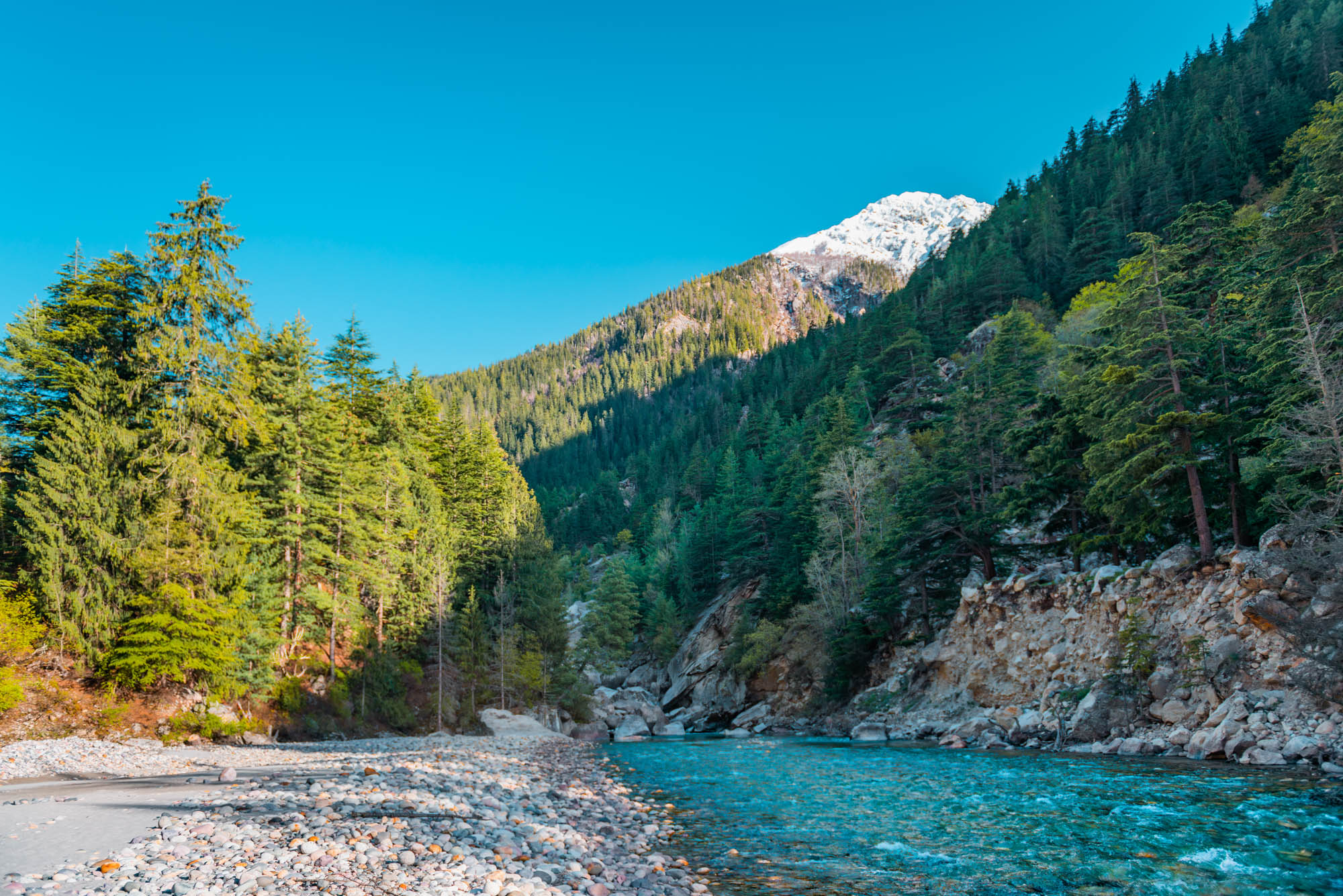
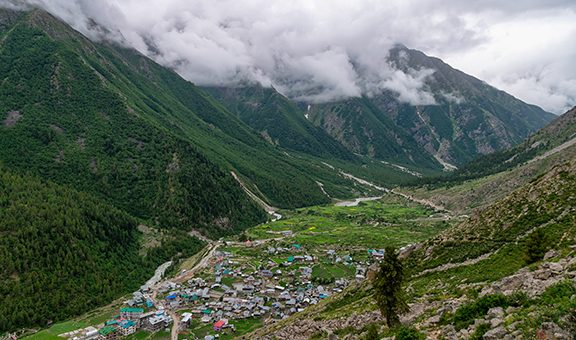
From the apple orchards of Thanedar to the high-altitude deserts of Spiti and back through the pine-clad hills of Theog, this immersive Himalayan circuit unfolds like a living landscape story. Designed for families who wish to travel deep into the mountains without rushing, the journey begins and ends comfortably in Chandigarh while revealing the dramatic river valleys of Kinnaur, the ancient monasteries of Tabo, and the raw beauty of Kaza. Gentle altitude gain, scenic drives, village encounters, and carefully chosen stays ensure a relaxed rhythm throughout. Blending culture, nature, and refined Himalayan hospitality, this route offers an ideal balance of discovery and comfort for multi-generational explorers.
PROGRAM SUMMARY SNAPSHOT
-
Day 1:
Arrival Chandigarh | Overnight Chandigarh
-
Day 2:
Chandigarh → Thanedar | Overnight Thanedar
-
Day 3:
Thanedar → Sangla | Overnight Sangla
-
Day 4:
Sangla Sightseeing | Overnight Sangla
-
Day 5:
Sangla → Tabo | Overnight Tabo
-
Day 6:
Tabo → Tethys Himalayan Den | Overnight Tethys Himalayan Den
-
Day 7:
Tethys Himalayan Den Experiences | Overnight Tethys Himalayan Den
-
Day 8:
Tethys Himalayan Den → Kalpa | Overnight Kalpa
-
Day 9:
Kalpa → Theog | Overnight Theog
-
Day 10:
Theog → Chandigarh | Overnight Chandigarh
-
Day 11:
Chandigarh → Departure
Key Highlights
Orchard retreats and boutique Himalayan stays
Excursion to Chitkul – the last inhabited village near the Indo-Tibet border
UNESCO-listed Tabo Monastery
Iconic Spiti / Kaza sightseeing: Key Monastery, Langza, Hikkim, Komic
World’s highest post office & fossil village experience
Boutique Himalayan retreats & luxury mountain hospitality
Family-friendly pacing with ample downtime
Detailed Itinerary
Click each day to expand details.
DAY 1
Arrival in Chandigarh
Upon arrival at Chandigarh Airport, meet and assist for transfer to your hotel. Chandigarh, India’s first planned city, offers wide boulevards, green spaces, and a relaxed introduction before entering the mountains.
Chandigarh, proudly recognized as India's first planned city, stands globally acclaimed for its revolutionary urban architecture and meticulous design envisioned by the legendary French architect Le Corbusier. Divided into an organized grid of sectors, the city seamlessly blends modernist concrete structures with an abundance of open spaces and greenery. It is celebrated for its breathtaking botanical havens, such as the expansive Rose Garden and the whimsical, recycled Rock Garden created by Nek Chand. Residents and travelers alike gravitate toward the serene shores of Sukhna Lake for peaceful boat rides and stunning sunset views against the Shivalik hills. Offering an exceptional balance of clean aesthetics, cultural vibrance, and tranquil nature, Chandigarh remains an architectural masterpiece.
The remainder of the day is at leisure. Optional experiences include a gentle walk at Sukhna Lake or a drive past the city’s modern architectural landmarks.
Nestled peacefully at the foothills of the Shivalik Himalayas, Sukhna Lake is a picturesque, serene man-made reservoir that serves as Chandigarh’s favorite recreational sanctuary. The scenic lakeside promenade buzzes with activity during sunrise and sunset, drawing walkers, joggers, and families enjoying the crisp, refreshing breeze. Visitors can rent paddleboats, shikaras, or rowing boats to glide across the calm waters while catching glimpses of migratory birds during winter. Framed by lush green surroundings and open skies, Sukhna Lake provides a tranquil escape from urban life, offering an ideal setting for quiet reflection, photography, and leisurely outdoor relaxation.
Dinner at the hotel.
Overnight: Chandigarh
DAY 2
Chandigarh – Drive to Thanedar
After breakfast, check out and begin the scenic drive to Thanedar (approx. 190 km / 6–7 hours). The journey ascends gradually through pine forests and hill towns, offering refreshing mountain views.
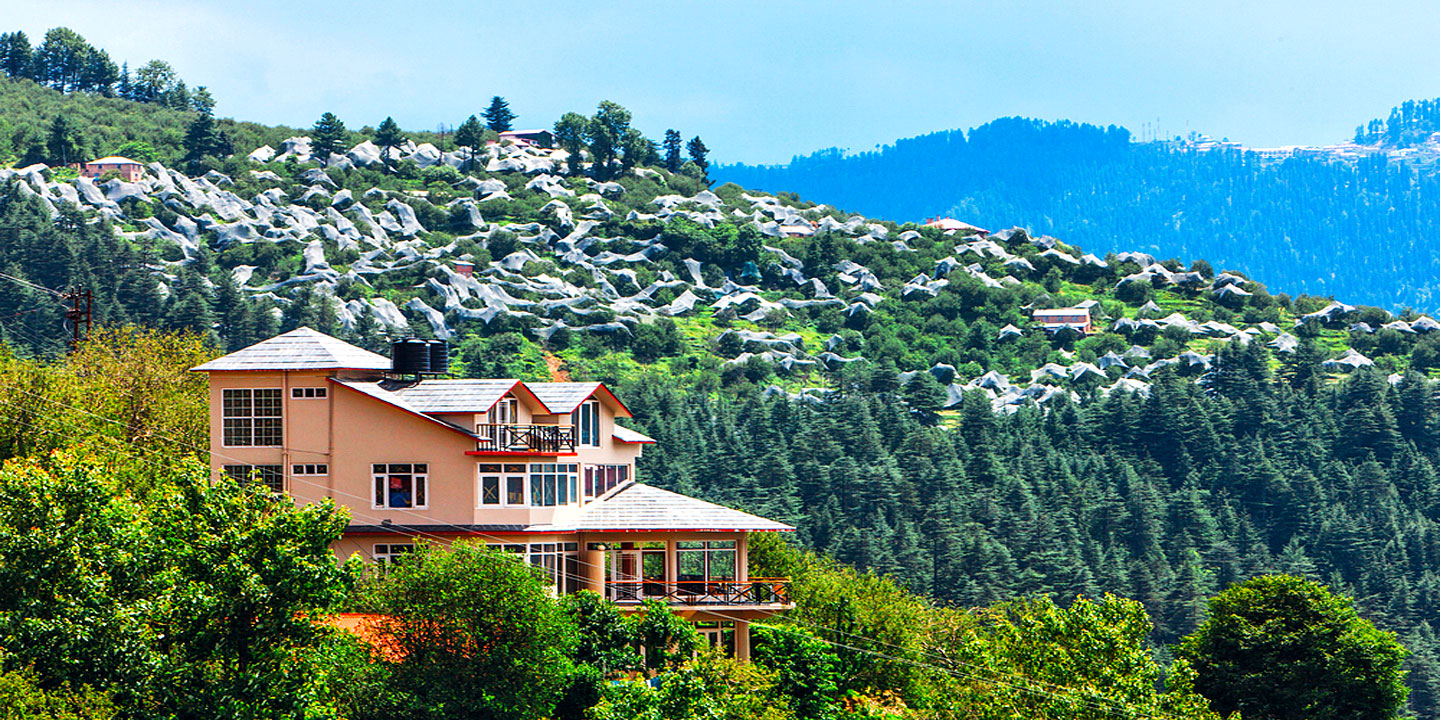
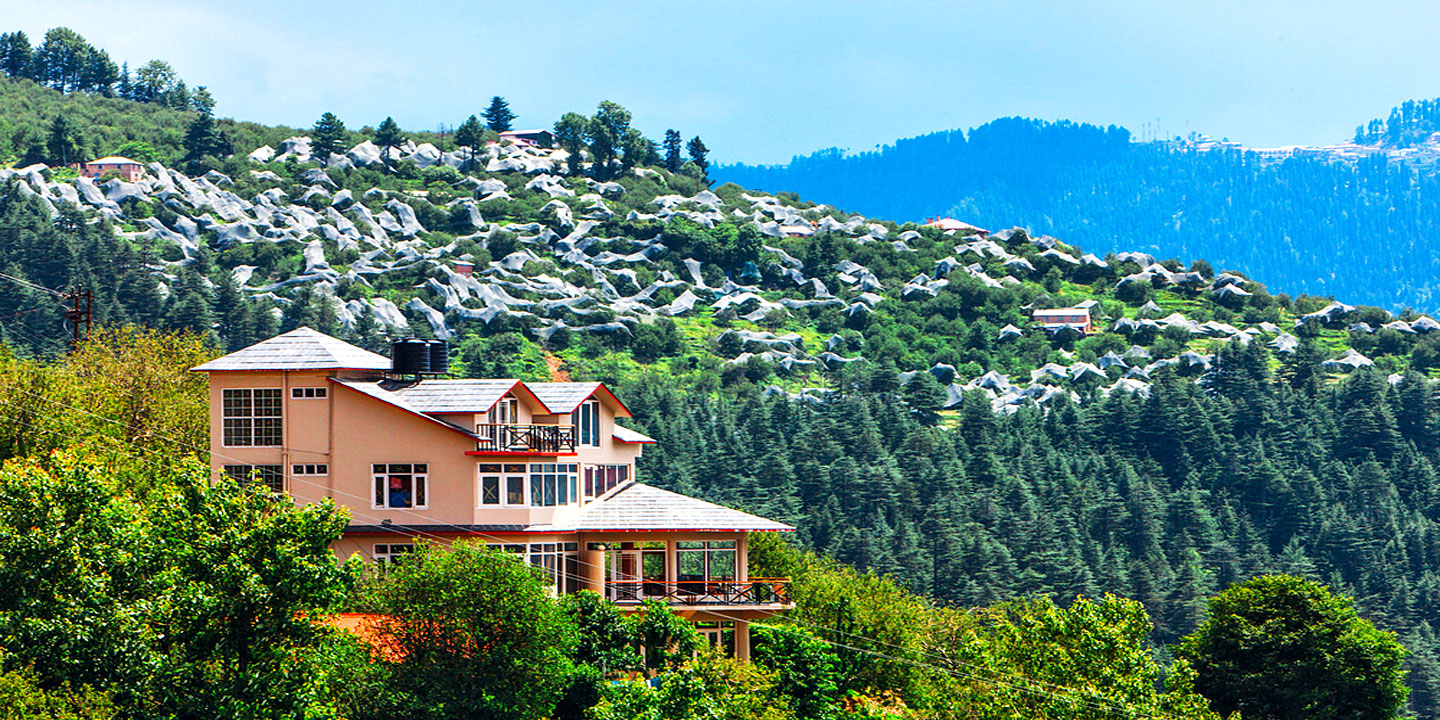
Perched high above the Sutlej River valley, Thanedar is renowned as the cradle of Himachal Pradesh’s apple industry, where commercial apple cultivation first began in India. Surrounded by lush, terraced orchards that burst into vibrant pink blossoms in spring and heavy red fruit in autumn, the village offers a deeply peaceful retreat. Visitors can explore heritage sites like the historic St. Mary’s Church—one of the oldest in the region—and Stokes Farm, while enjoying breathtaking panoramic views of snow-capped Himalayan peaks. With its unhurried pace, crisp mountain air, and rich colonial heritage, Thanedar provides an idyllic sanctuary for nature lovers seeking quiet contemplation away from crowded tourist circuits.
Arrive at Banjara Orchard Retreat, Thanedar, nestled amidst apple orchards and cedar forests. After check-in, enjoy a leisurely evening—stroll through the orchards or relax with a warm beverage as the mountain air sets the tone for the journey ahead.
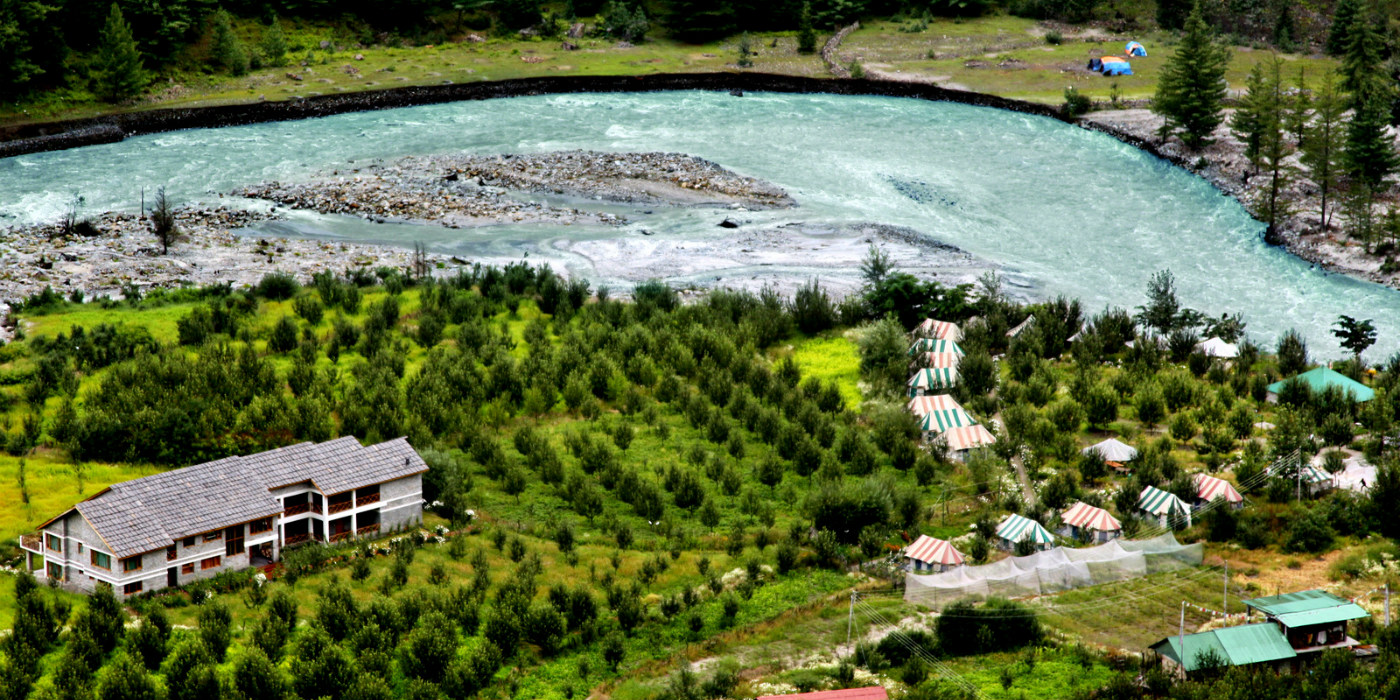
Perched high above the Sutlej valley, Banjara Orchard Retreat in Thanedar is a pioneer of sustainable and experiential tourism in Himachal Pradesh. Surrounded by sprawling apple and cherry orchards, the retreat blends rustic colonial charm with warm, personalized hospitality. Guests stay in cozy, wood-paneled rooms and independent cottages that open up to breathtaking, unobstructed vistas of snow-capped Himalayan peaks. The property serves as an ideal base for exploring nearby heritage sites like Kotgarh and Hatu Peak, or simply unwinding with a book amidst the tranquil sounds of nature. With its farm-to-table dining and focus on slow travel, it offers an authentic, restorative mountain escape.
Dinner at the retreat.
Overnight: Thanedar
DAY 3
Thanedar Sightseeing – Drive to Sangla
After breakfast, explore Thanedar, known as the birthplace of apple cultivation in Himachal Pradesh.
Visit local apple orchards, interact with orchard owners, and learn about rural Himalayan life. Continue to St. Mary’s Church, one of the oldest churches in the region, followed by short nature walks offering panoramic views of surrounding valleys.
Stokes Farm holds a legendary status in Himachal Pradesh as the ground zero where American horticulturist Samuel Stokes introduced delicious apple varieties in the early 20th century, transforming the region’s economy. Exploring these sprawling orchards provides a fascinating journey into apple cultivation, especially during spring when the trees burst into delicate blossoms or autumn when heavy red fruits hang from the branches. Visitors can stroll through quiet, terraced paths, learn traditional orchard management techniques, and taste fresh fruit straight from the trees. Surrounded by crisp mountain air and stunning valley backdrops, it offers a deeply peaceful and historically enriching experience for nature lovers.
Perched on a quiet ridge near Thanedar, St. Mary’s Church stands as one of the oldest and most picturesque churches in the region, dating back to 1872. Constructed using a unique blend of British colonial stone architecture and traditional Himalayan wood-and-slate craftsmanship, the church emanates an aura of profound tranquility. Surrounded by dense pine and deodar forests, it offers a deeply peaceful retreat for quiet contemplation and reflection. Visitors walking up to the church are greeted by melodious bird song, cool mountain breezes, and occasional glimpses of distant snow-capped Himalayan peaks, making it a must-visit cultural landmark.
Later, drive to Sangla Valley (approx. 150 km / 5–6 hours), following the Sutlej and Baspa rivers through dramatic Himalayan scenery. En-route photoshoot at Wangtu Bridge and the deep Sutlej River Gorge which marks a dramatic transition point from lush Kinnauri valleys into rugged, high-altitude mountain terrain and also vist Kamru Fort, an ancient tower-like wooden fortress near Sangla featuring exquisite Kinnauri architecture, a sacred temple, and stunning valley views.
Upon arrival check in at Banjara Valley Retreat in Sangla.
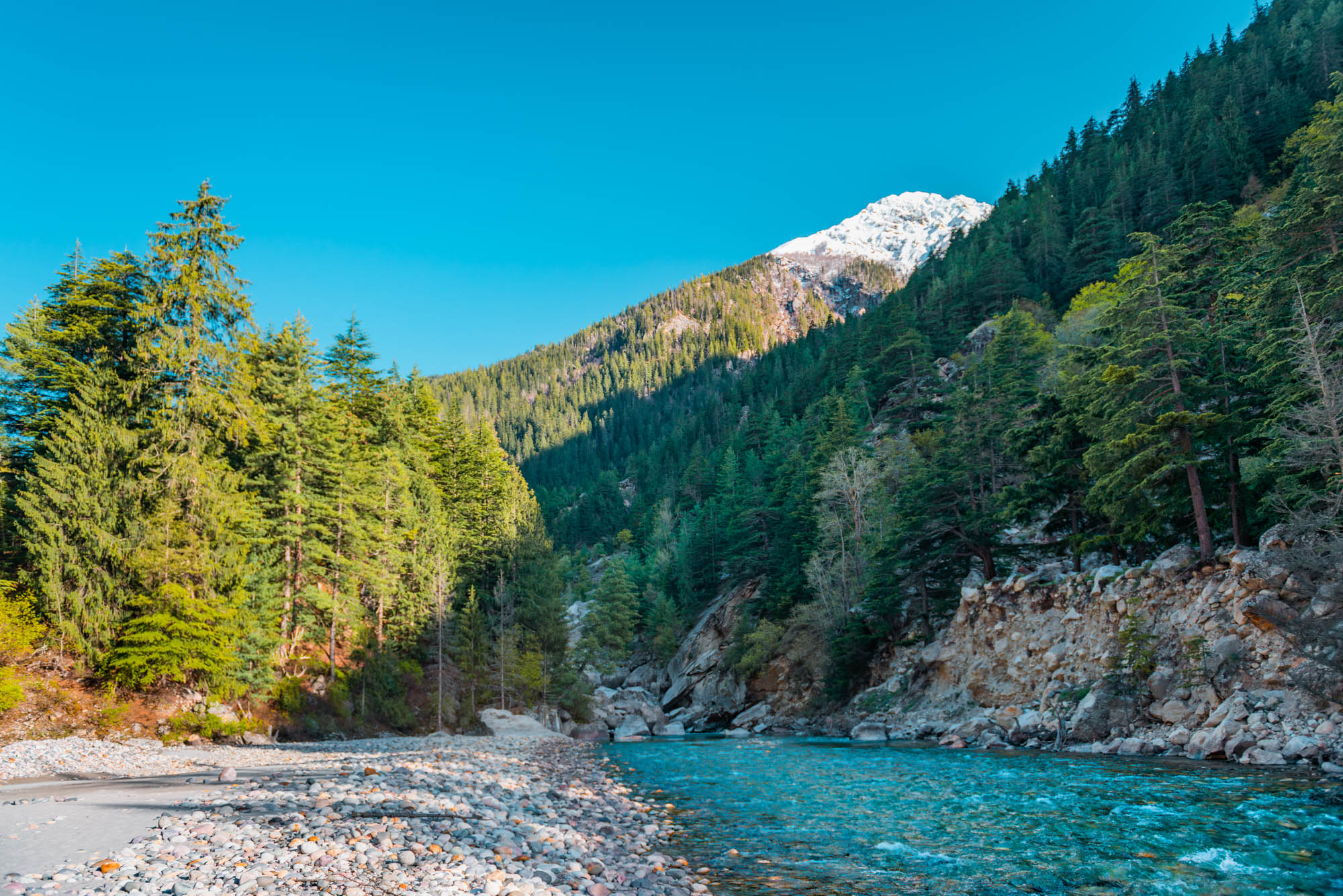
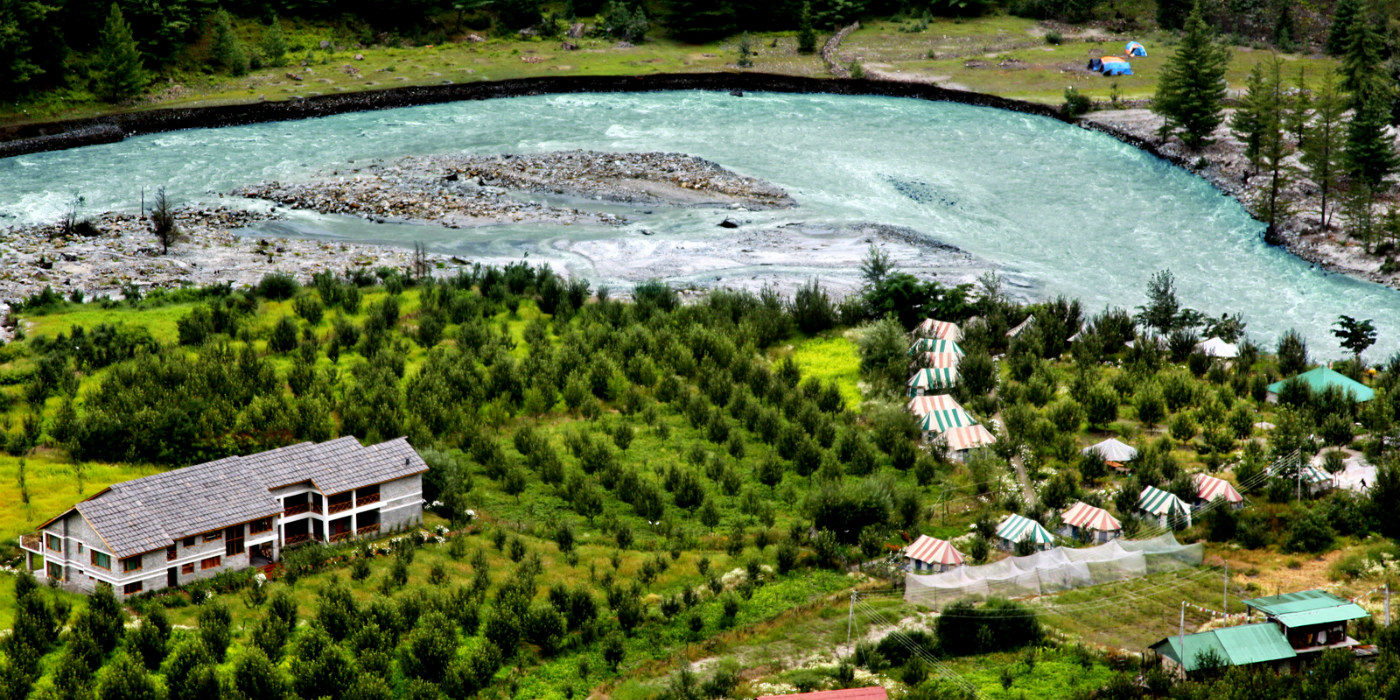
Situated in the mesmerizing Baspa Valley, Banjara Valley Retreat in Sangla immerses travelers deeply into the raw, untouched wilderness of Kinnaur. The retreat features comfortable, eco-friendly tents and cottages positioned right along the glittering riverbank, offering front-row seats to towering snow-clad mountains and lush pine forests. It is an ultimate paradise for outdoor enthusiasts, offering guided valley hikes, trout fishing opportunities, and quiet evenings around crackling bonfires under starlit skies. Blending adventure with soulful peace, the camp provides an authentic Himalayan experience combined with warm hospitality, hearty local cuisine, and a cozy atmosphere designed to disconnect from modern chaos.
Arrive at Banjara Valley Retreat, Sangla. Evening at leisure.
Overnight: Sangla
DAY 4
Sangla – Chitkul Excursion
After breakfast, set out for a scenic excursion to Chitkul (approx. 20 km / 1 hour each way), the last inhabited village on the Indo-Tibet trade route.
The drive follows the Baspa River through apple orchards, wooden bridges, and alpine landscapes. Explore Chitkul Village, with its traditional wooden homes, prayer flags, and sweeping views of snow-capped peaks. Visit the Mathi Temple and enjoy a relaxed walk along the riverbanks.
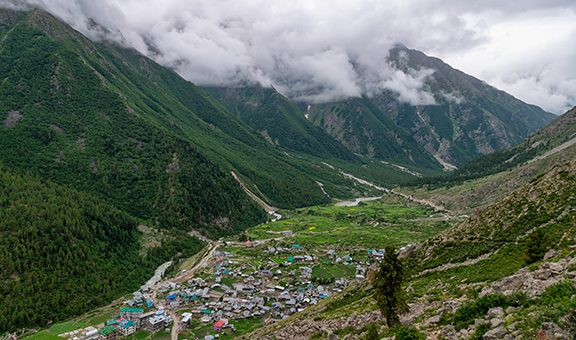
Located just a short drive from Sangla at an altitude of 3,450 meters, Chitkul is a breathtaking frontier village situated on the banks of the rushing Baspa River. Renowned as the last inhabited village on the old Indo-Tibet trade route, it captivates visitors with its striking traditional architecture featuring intricately carved wooden houses with sloping slate roofs. The atmosphere is refreshingly rustic, surrounded by barren yet majestic mountain slopes, sprawling potato fields, and glittering glaciers. Travelers can walk across the bridge over the roaring river, explore the ancient Mathi Devi temple, and soak in the surreal, peaceful wilderness at the edge of the world.
Enjoy lunch at a local café before returning to Sangla en-route visit Baspa River Trout Fishing & Riverside Camping. Evening at leisure back at the retreat.
The crystal-clear Baspa River acts as the glittering lifeline of the Sangla Valley, offering incredible outdoor adventure and relaxation opportunities. The river’s icy, fast-flowing waters are globally celebrated for harboring prized brown and rainbow trout, making it a favored spot for angling enthusiasts (with local permits). Beyond fishing, the lush grassy riverbanks provide idyllic settings for riverside camping, star-gazing, and quiet meditation to the rhythmic sound of rushing water. Whether enjoying a warm cup of tea by a riverside campfire or dipping your toes into the crisp mountain stream, it offers an immersive connection with nature's purest elements.
Dinner at the property.
Overnight: Sangla
DAY 5
Sangla – Drive to Tabo (Spiti Valley)
After an early breakfast, check out and begin the journey to Tabo (approx. 196 km / 6–7 hours). The landscape transitions dramatically from green valleys to the stark, high-altitude desert terrain of Spiti. En-route visit Khab Confluence (Sutlej & Spiti Rivers), Nako Village & Nako Lake & Gue Village (The Mummy Village).
The Sutlej and Spiti river confluence near Khab is a breathtaking natural spectacle where muddy brown and clear green glacial waters merge dramatically.
Nako Village is a picturesque high-altitude settlement featuring a sacred lake, ancient Buddhist temples, traditional stone houses, and stunning views of Reo Purgyil.
Gue Village is a remote Spitian hamlet famous for housing a rare, naturally preserved 500-year-old mummified monk in a glass meditation chamber.
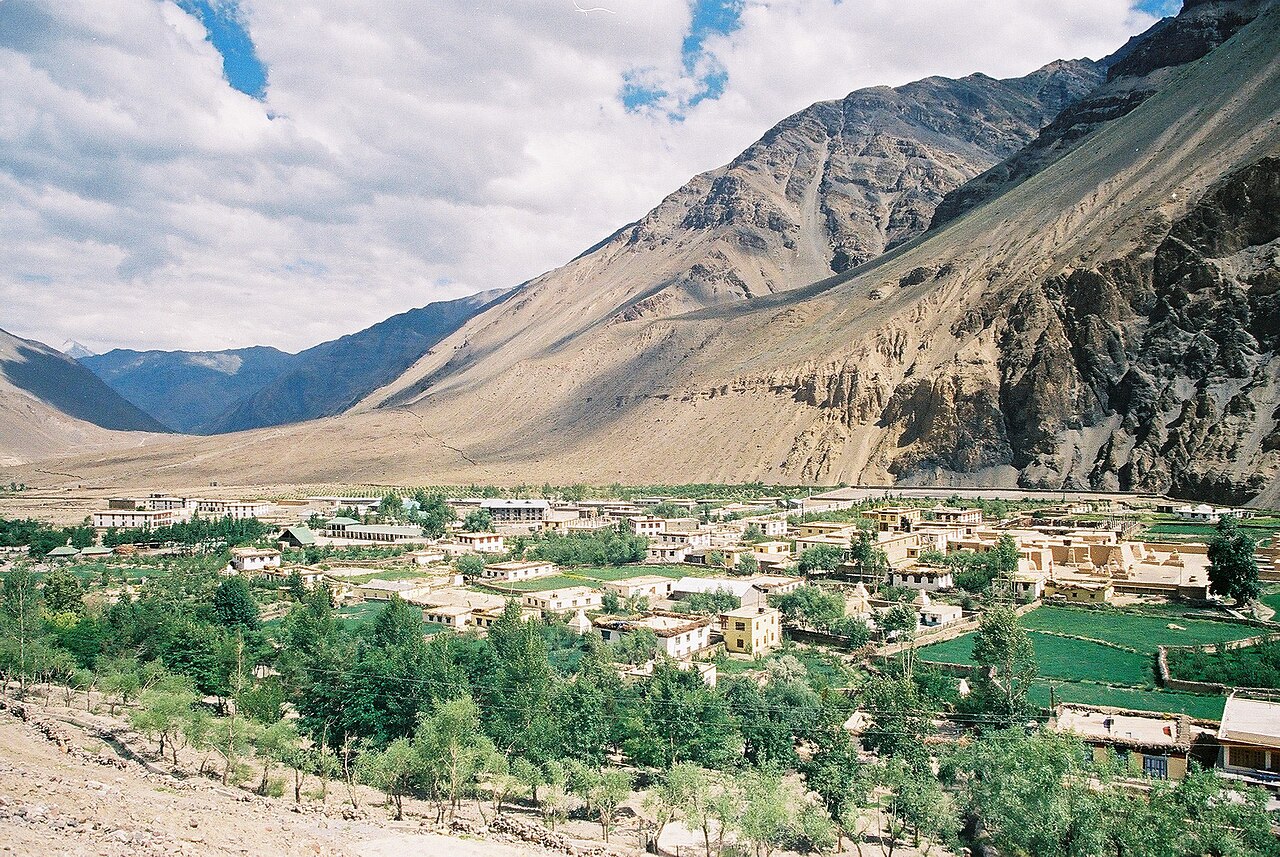
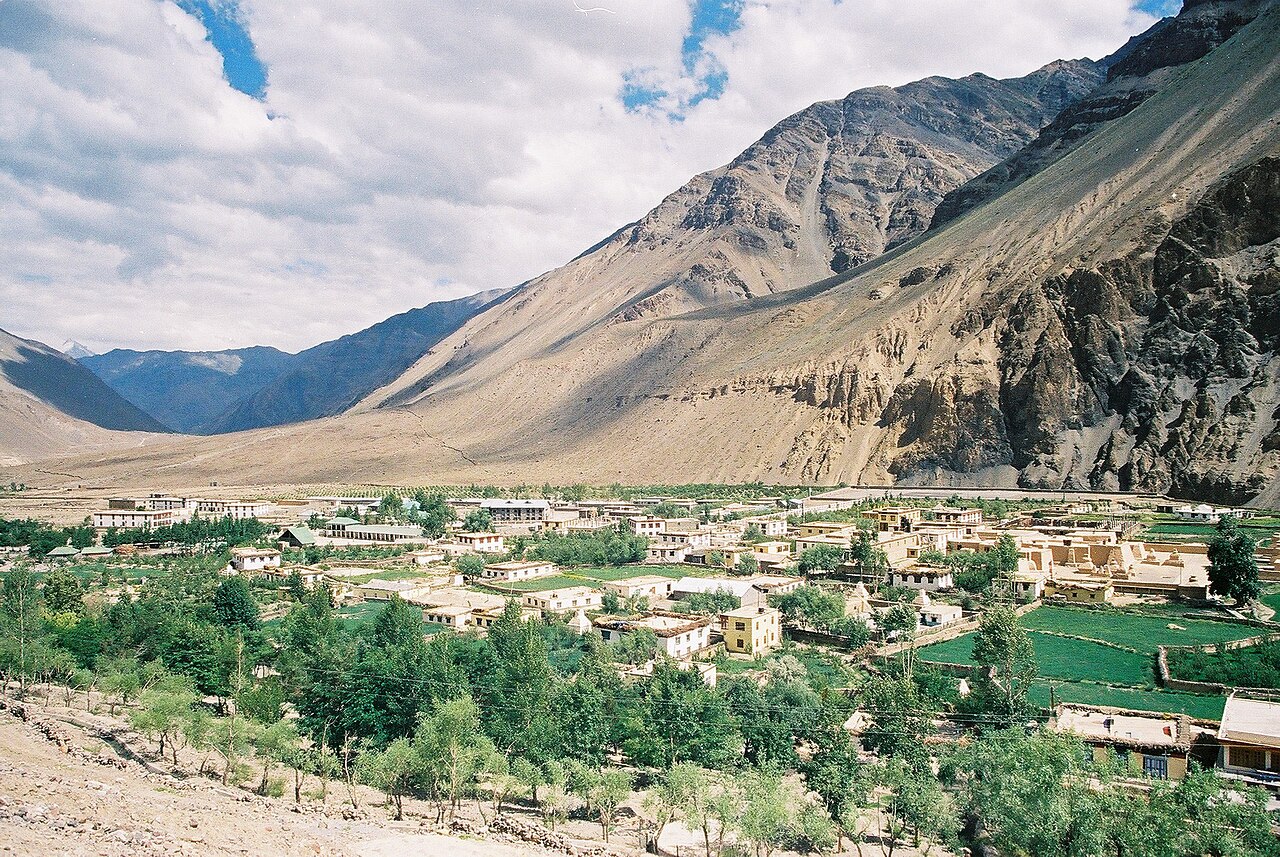
Arrive at Spiti Mud House, Tabo, reflecting traditional Spitian architecture. Evening at leisure to acclimatize and absorb the serene surroundings.
Nestled on the arid, dramatic banks of the Spiti River at an altitude of over 3,000 meters, Tabo is a legendary Himalayan village famous for its thousand-year-old monastery complex. Founded in 996 AD, the Tabo Monastery is often called the "Ajanta of the Himalayas" and is celebrated for its remarkably preserved mud-brick architecture, sacred stucco sculptures, and vibrant, ancient wall paintings. Walking through the dimly lit monastic chambers offers a deeply spiritual journey back in time, surrounded by absolute silence and stark mountain deserts. The village itself exudes a timeless, unhurried charm, making it a sacred and intellectual epicenter for history buffs and spiritual seekers alike.
Dinner at the property.
Overnight: Tabo
DAY 6
Tabo – Monastery Visit – Dhankar – Tethys Himalayan Den (Near Kaza)
After breakfast, check out & explore Tabo Monastery (UNESCO World Heritage Site), followed by visit to Dhankar Monastery & Lake & Lhalung Village (The Golden Temple).
The Tabo Monastery Complex, founded in 996 AD, stands as a UNESCO tentative heritage site and an absolute crown jewel of Spiti’s spiritual history. Often called the "Ajanta of the Himalayas," the complex consists of several ancient temples housing remarkably well-preserved stucco sculptures, priceless Buddhist manuscripts, and vivid wall murals illustrating sacred histories. Just above the village, ancient meditation caves carved directly into the crumbling mudstone cliffs offer a glimpse into the austere lives of past monks. Exploring these sacred chambers provides an intellectually enriching and profoundly meditative experience, surrounded by the stark, silent beauty of the desert mountains.
Perched at a staggering altitude of nearly 3,900 meters, Dhankar Monastery is an architectural marvel that seems carved directly out of the crumbling, wind-swept vertical cliffs of the Spiti Valley. Built over a thousand years ago, this historic fort monastery once served as the royal castle of the Spiti kings and a strategic lookout point. The complex features traditional mud-brick and stone construction, housing ancient Buddhist scriptures, priceless thangkas, and a revered statue of Vairochana Buddha. Visitors navigating its narrow, labyrinthine staircases are rewarded with breathtaking panoramic vistas of the deep river valley below, making it an awe-inspiring stop on the way to Kaza.
Tucked away off the main Tabo-Kaza highway, Lhalung Village sits peacefully on a sun-drenched slope surrounded by barley fields and towering mountain peaks. Known as the "land of gold," its primary claim to architectural fame is the historic Serkhang or Golden Temple, believed to date back to the late 10th century. Inside, visitors are met with astonishingly intricate gilded wood carvings, rare stucco figures, and vibrant murals of Buddhist deities that have survived centuries of isolation. The village itself exudes an unhurried, pastoral charm, offering travelers a deeply peaceful cultural retreat filled with warm local hospitality and rich spiritual heritage before reaching Kaza.
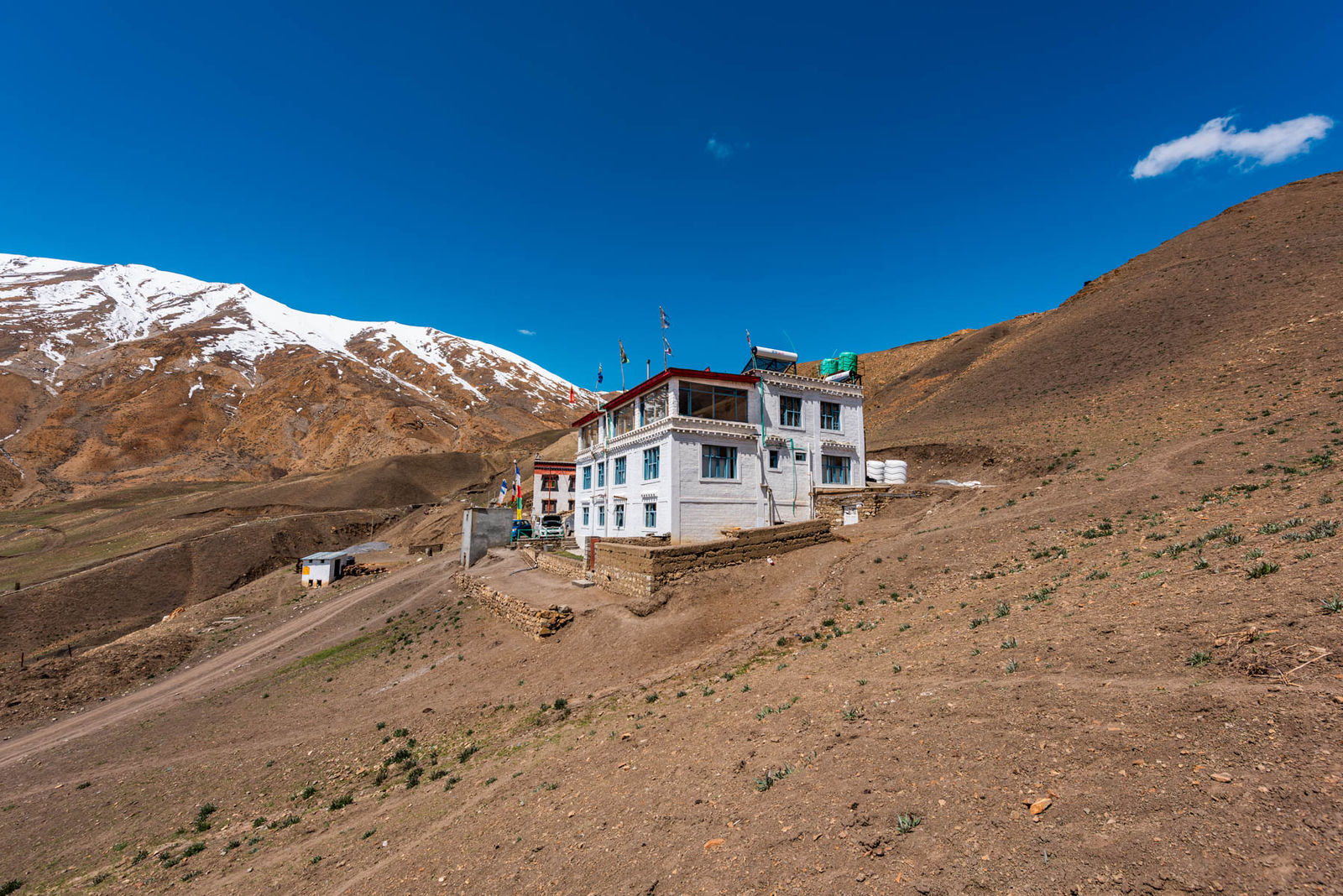
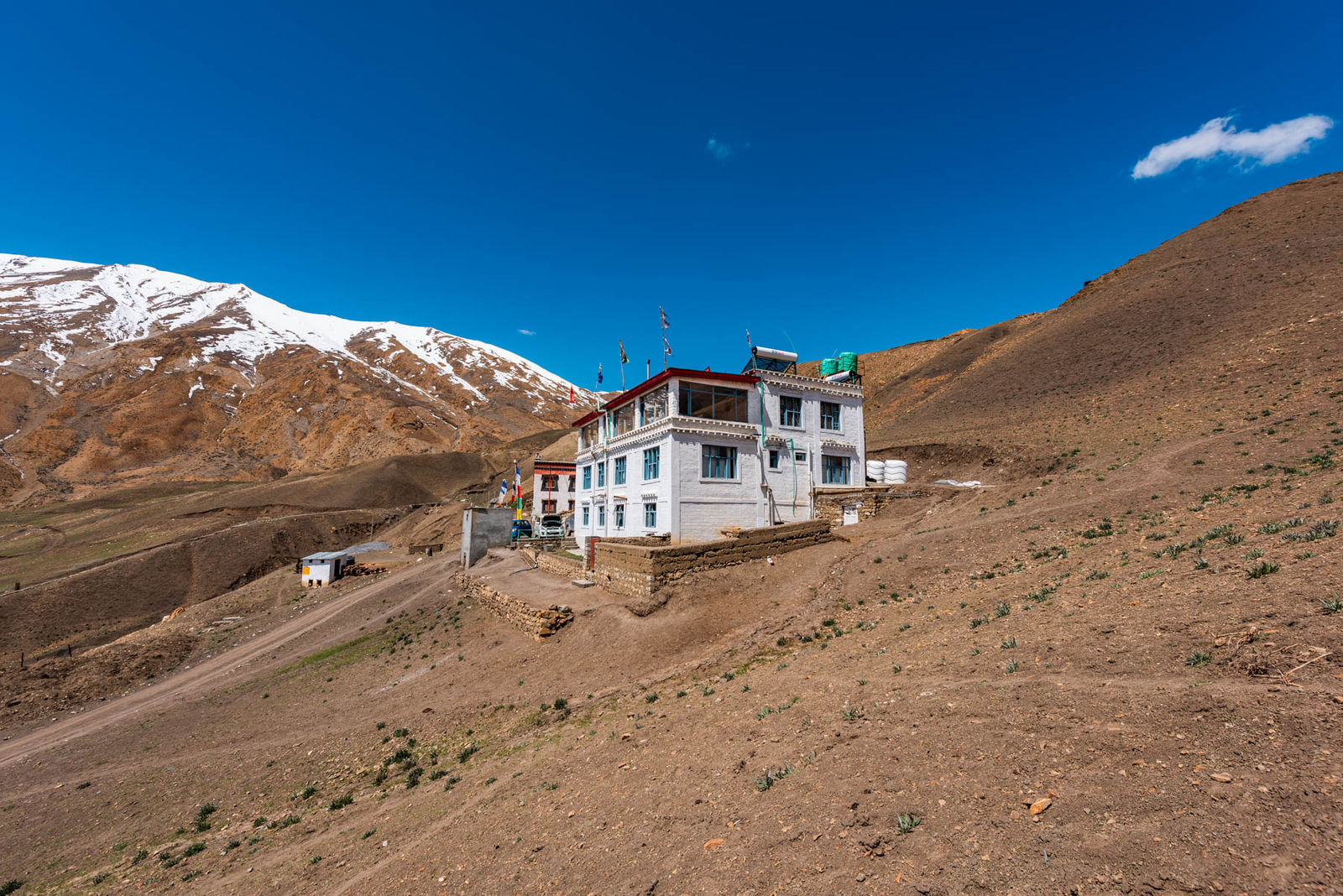
Upon arrival check in at Tethys Himalayan Den (near Kaza) which is located at 4270 meters above sea level..
Situated amidst the high-altitude desert landscape of Kaza, Tethys Himalayan Den provides a welcoming and comfortable sanctuary for travelers exploring the remote Spiti Valley. The hotel blends traditional regional aesthetics with contemporary amenities, ensuring cozy stays against freezing Himalayan temperatures. Guests can enjoy spacious, well-appointed rooms featuring large windows that frame dramatic, uninterrupted views of barren mountain peaks and the sweeping Spiti riverbed. The property’s warm hospitality, multi-cuisine dining options offering hot local and international meals, and restful ambiance make it an ideal, reliable base camp to acclimatize, relax, and plan high-altitude excursions across the rugged terrain.
Bonfire & stargazing (weather permitting)
Overnight: Tethys Himalayan Den Kaza
DAY 7
Kaza Region Sightseeing – Iconic Spiti Villages
After breakfast meet your Guide for the sightseeing of Key Monastery (Ki Gompa), followed by visit to Langza, Hikkim, and Komic High-Altitude Village Tour.
Perched majestically at an altitude of 4,166 meters, Key Monastery (or Ki Gompa) is a breathtaking architectural marvel that resembles a tiered fortress scaling a jagged mountain ridge. As the largest monastery in the Spiti Valley, it has served as a prominent religious training center for Tibetan Buddhism for centuries. Inside, visitors can wander through labyrinthine prayer halls, narrow staircases, ancient courtyards, and rooms housing rare collections of weapons, musical instruments, and ancient thangkas. The roof of the monastery offers staggering, panoramic views of the barren river valley below, making it one of the most photographed and spiritually awe-inspiring sights in the entire Himalayan region.
Langza village is located at over 14,000 feet, serving as your first major stop after departing from Tethys Himalayan Den in Kaza. Famously known as the "Fossil Village," the area is strewn with prehistoric marine fossils, offering a tangible link to a time when the Himalayas lay beneath an ancient sea. A towering, golden Buddha statue sits majestically on the edge of the slope, dramatically overlooking the vast, wind-swept valley below. Visitors can stroll through vibrant fields of green barley, interact with friendly local artisans crafting traditional pottery, and immerse themselves in the timeless rural beauty of this remote Spitian settlement, experiencing a unique blend of geological wonder and rich cultural heritage high above the clouds.
A short, scenic drive from Langza brings you to Hikkim, celebrated globally for hosting the highest functional post office on Earth at an altitude of over 14,400 feet. The village consists of classic stone-and-mud houses clustered against steep, barren mountain slopes. Stopping here gives travelers the unique opportunity to meet the legendary local postmaster, purchase official postal stamps, and hand-write postcards to send back to family and friends from a remote Himalayan postbox. Surrounded by sweeping vistas of snow-capped peaks and crisp alpine air, this stop combines lighthearted novelty with a fascinating glimpse into everyday high-altitude survival.
Continuing higher along the rugged mountain tracks, the excursion reaches Komic, proudly standing as one of the highest settlements connected by a motorable road in the world. At its heart lies the ancient Tangyud Monastery, a striking red-and-white fortress perched dramatically on a ridge, where resident monks welcome visitors with steaming cups of traditional butter tea. The village offers a profound sense of isolation and tranquility, wrapped in boundless horizons of desolate mountain ranges and endless blue skies. Exploring Komic provides an unforgettable spiritual and visual pinnacle to the high-altitude driving circuit before heading toward engineering marvels.
Evening free for rest, reflection, or a quiet walk.
Overnight: Tethys Himalayan Den Kaza
DAY 8
Tethys Himalayan Den – Drive to Kalpa
After breakfast, check out and drive to Kalpa (approx. 241 km / 7–8 hours), retracing scenic mountain roads through Spiti and Kinnaur.
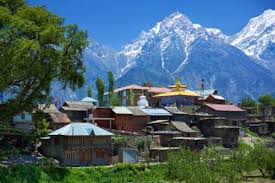
Perched high above the Sutlej River valley, Kalpa is a picturesque Kinnauri village celebrated for its dramatic, close-up vistas of the sacred Kinnaur Kailash mountain range. The village is surrounded by terraced fields and lush apple orchards that glow brilliantly during harvest season. Kalpa boasts unique traditional architecture characterized by intricately carved wooden houses, sloping slate roofs, and sacred temples like Hu-Bu-Lan-Kar monastery. As dawn breaks, the morning sunlight strikes the 6,050-meter-high Shiva-lingam peak on Kinnaur Kailash, bathing the snow-capped summits in golden hues. Offering crisp alpine air, rich tribal heritage, and unmatched natural splendor, Kalpa provides an unforgettable Himalayan retreat.
Arrive at Fayul Retreat, Kalpa, offering breathtaking views of the Kinnaur Kailash range. Evening at leisure to enjoy sunset views or a peaceful village walk.
Perched high on a scenic hill, Fayul Retreat in Kalpa offers an unforgettable eco-luxury escape that blends high-altitude adventure with absolute comfort. Known as one of the region's premier stays, it features unique glamping domes and well-appointed wooden rooms equipped with modern amenities and private balconies. Guests are treated to panoramic, unobstructed views of the sacred Kinnaur Kailash peaks right from their doorstep. Surrounded by tranquil apple orchards and pristine mountain trails, the retreat provides a peaceful haven complete with warm hospitality, a cozy shared lounge, and a deep connection to the raw, magical beauty of the Himalayas.
Optional - Visit to Hu-Bu-Lan-Kar Monastery
Situated peacefully on the edge of Kalpa village, the Hu-Bu-Lan-Kar Monastery is a historically significant Buddhist shrine dating back over a thousand years to the era of the translator Rinchen Zangpo. Blending Tibetan Buddhist spirituality with local Kinnauri wooden architecture, the monastery houses ancient metal images, sacred scriptures, and quiet prayer wheels. Surrounded by terraced apple orchards and peaceful mountain air, it offers a serene escape from busy tourist tracks. Visitors can spend time meditating in the quiet hall, interacting with resident monks, and soaking in the sublime backdrop of the sacred Kinnaur Kailash peaks glistening in the distance.
Dinner at the retreat.
Overnight: Kalpa
DAY 9
Kalpa – Drive to Theog
After breakfast, enjoy a brief exploration of Kalpa Village, visiting local temples and viewpoints overlooking the Sutlej Valley.
Later, drive to Theog (approx. 206 km / 6–7 hours), descending into greener Himalayan landscapes.
Situated just a short distance from Shimla, Theog serves as a charming, uncrowded gateway to the higher Himalayan ranges, perched gracefully across several interconnected ridges. Surrounded by dense pine forests and sprawling apple orchards, the town offers a quieter, more relaxed alternative to busier neighboring hill stations. Visitors can enjoy leisurely nature walks, breathtaking sunrise and sunset views over rolling valleys, and a pleasant climate year-round. Its strategic crossroads location makes it an ideal base for exploring interior regions, while offering its own distinct rustic charm, cozy homestays, and a tranquil environment designed for pure rest and rejuvenation.
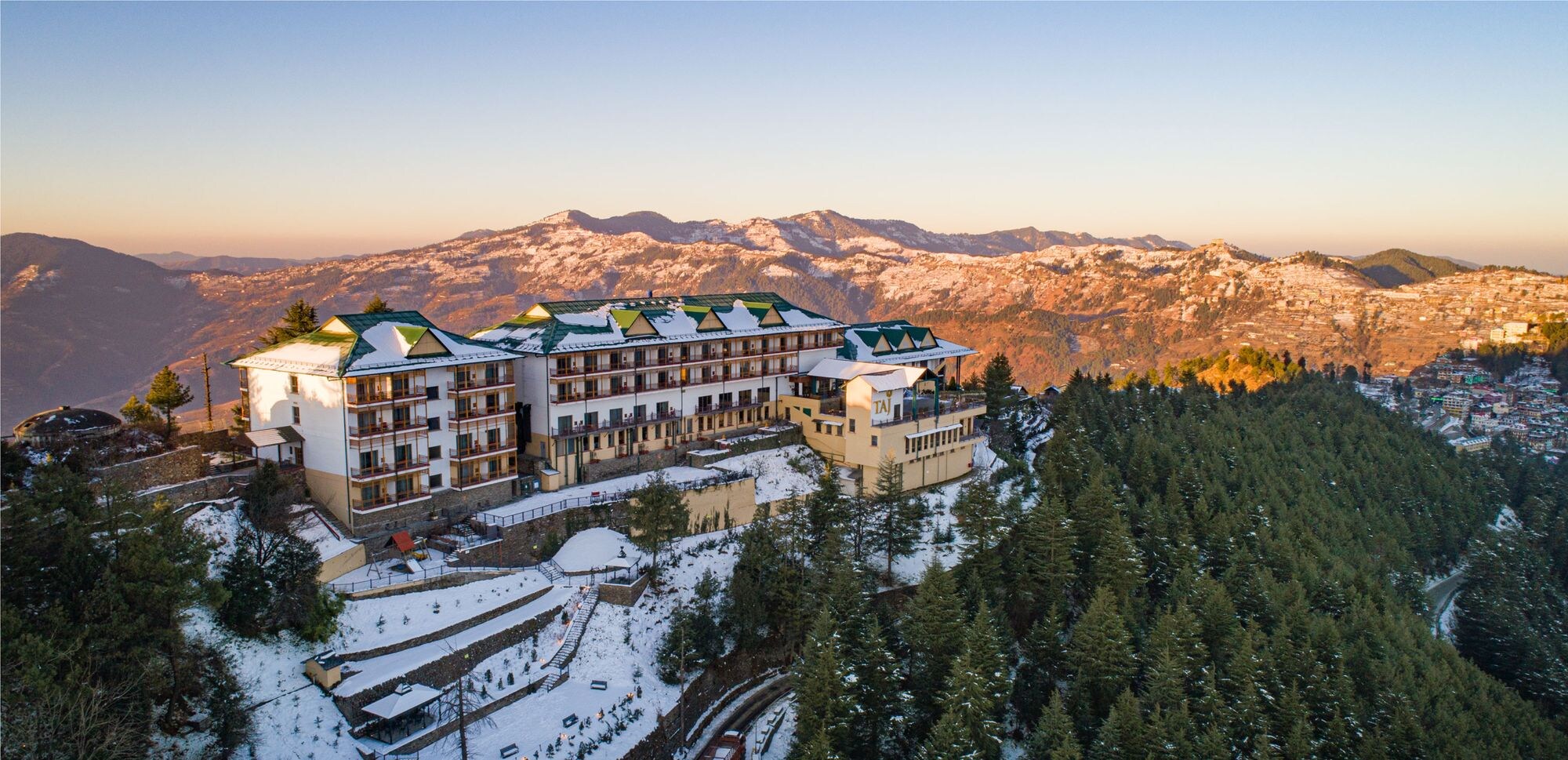
Arrive at Taj Theog, a refined mountain retreat. Evening at leisure—spa time, fireplace relaxation, or enjoying views of forested hills.
Perched gracefully on a secluded ridge in the Shimla hills, Taj Theog, Resort & Spa redefines mountain luxury with its sophisticated architecture and unmatched hospitality. Every spacious room and suite features large picture windows and private balconies framing breathtaking, uninterrupted vistas of deep green valleys and distant snow-capped peaks. The resort offers world-class amenities, including an indulgent Jiva Spa, heated indoor pool, and fine-dining restaurants serving exquisite regional Himachali delicacies alongside global cuisines. Whether enjoying a guided nature walk through surrounding pine forests or relaxing by an open-air fire pit, Taj Theog delivers an opulent yet deeply serene sanctuary in the clouds.
Dinner at the hotel.
Overnight: Theog
DAY 10
Theog – Drive to Chandigarh
After breakfast, check out and drive to Chandigarh (approx. 150 km / 4–5 hours).
Upon arrival, check in at your hotel. The remainder of the day is at leisure.
Optional visit to Rose Garden or a relaxed café experience.
Spanning across 30 acres in Sector 16, the Zakir Hussain Rose Garden is Asia’s largest botanical garden dedicated entirely to preserving and showcasing exquisite rose varieties. Named after India's former president, the garden blooms with over 1,600 distinct species of roses alongside rare medicinal plants, flowering shrubs, and towering trees. Beautifully landscaped with fountains, walking pathways, and rolling lawns, it hosts the colorful annual Chandigarh Rose Festival, drawing horticulturists and nature lovers from across the country. Whether strolling through the fragrant pathways during spring or enjoying a quiet afternoon picnic under the shade of trees, the garden offers a vibrant, refreshing natural retreat in the city.
Overnight: Chandigarh
DAY 11
Chandigarh – Departure
After breakfast, check out and transfer to Chandigarh Airport to connect with your onward flight, concluding a memorable family journey through Himachal Pradesh’s orchards, valleys, border villages, monasteries, and high-altitude deserts.
Best months to visit:
May–June, September–October
Note: Overnight stays are planned in carefully selected heritage hotels (or similar category).