
Eastern Assam & Arunachal Cultural, River & Wildlife Retreat
Discover the remote landscapes and tribal heartlands of Eastern Arunachal Pradesh and Assam on this immersive journey. From Dibrugarh’s river valleys and tea gardens, you travel to Mon, home of the Konyak tribe, historically known as headhunters. Explore hilltop fort villages, intricate tattoo traditions, and tribal artistry. Visit Lungwa, a unique Indo-Myanmar border settlement, and experience authentic Konyak life. Return to Assam to witness the Ahom dynasty’s heritage at Charaideo and Sivasagar, then explore Majuli, the world’s largest river island, with its Vaishnavite monasteries, artisan villages, and riverine ecology. This journey blends tribal culture, history, and nature seamlessly.

PROGRAM SUMMARY SNAPSHOT
-
Day 1:
Arrival Dibrugarh | Overnight Dibrugarh
-
Day 2:
Dibrugarh – Drive to Mon | Overnight Mon
-
Day 3:
Mon – Day excursion to Lungwa – Return Mon | Overnight Mon
-
Day 4:
Mon – Drive to Jorhat via Charaideo & Sivasagar | Overnight Jorhat
-
Day 5:
Jorhat – Majuli | Overnight Majuli
-
Day 6:
Majuli Exploration | Overnight Majuli
-
Day 7:
Majuli – Dibrugarh Airport | Departure
Key Highlights
Day excursion to Lungwa, a border village with unique Indo-Myanmar cultural influences and panoramic views of the surrounding highlands.
Visit Charaideo, the sacred burial grounds of Ahom kings, and Sivasagar, home to historic temples and palaces, highlighting Assam’s rich heritage.
Discover Majuli, the world’s largest river island, with visits to Satras (Vaishnavite monasteries), traditional mask-making villages, and serene riverine landscapes.
Observe riverine birds, wetlands, and lush greenery along the Brahmaputra, offering photography and wildlife spotting opportunities.
Enjoy scenic drives through tea gardens, forested valleys, and remote highlands connecting Assam with Arunachal Pradesh.
Immerse yourself in a mix of cultural heritage, river ecosystems, and tribal traditions for a diverse Northeast experience.
Detailed Itinerary
Click each day to expand details.
DAY 1
Arrival Dibrugarh
Arrive at Dibrugarh Airport and transfer to your hotel. Evening at leisure to relax or enjoy a riverside walk.
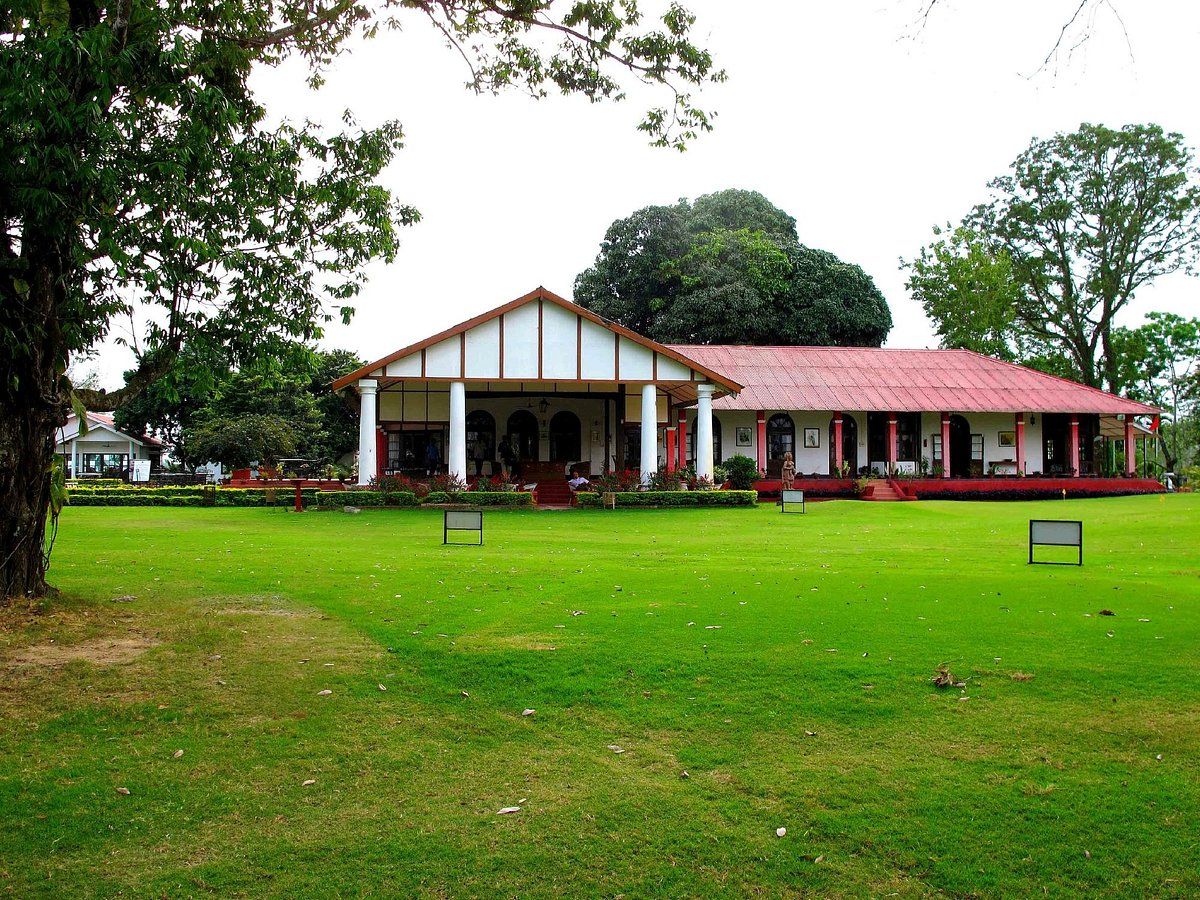
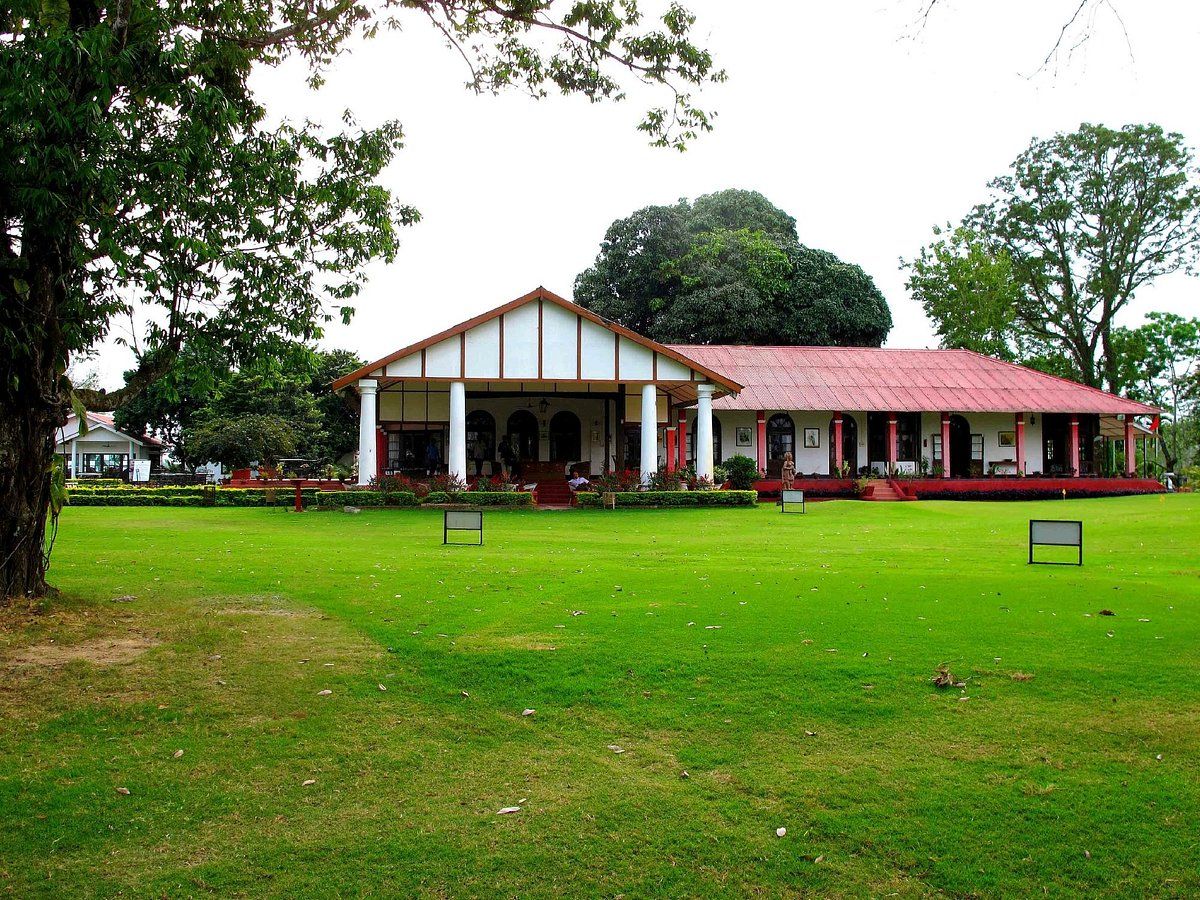
Nestled along the banks of the mighty Brahmaputra River, Dibrugarh stands as a cornerstone of Assam’s industrial and cultural heritage. Renowned globally as the "Tea City of India," the town played a pivotal role during the British colonial era in establishing expansive tea gardens that redefined global commerce. Beyond its verdant estates, Dibrugarh's history is deeply intertwined with the birth of India’s petroleum industry, serving as the strategic gateway to the nearby Digboi oil fields where oil was first struck in Asia. Today, Dibrugarh seamlessly bridges its illustrious past with a vibrant present, preserving architectural relics, colonial charm, and a legacy that fueled the economic development of Northeast India.
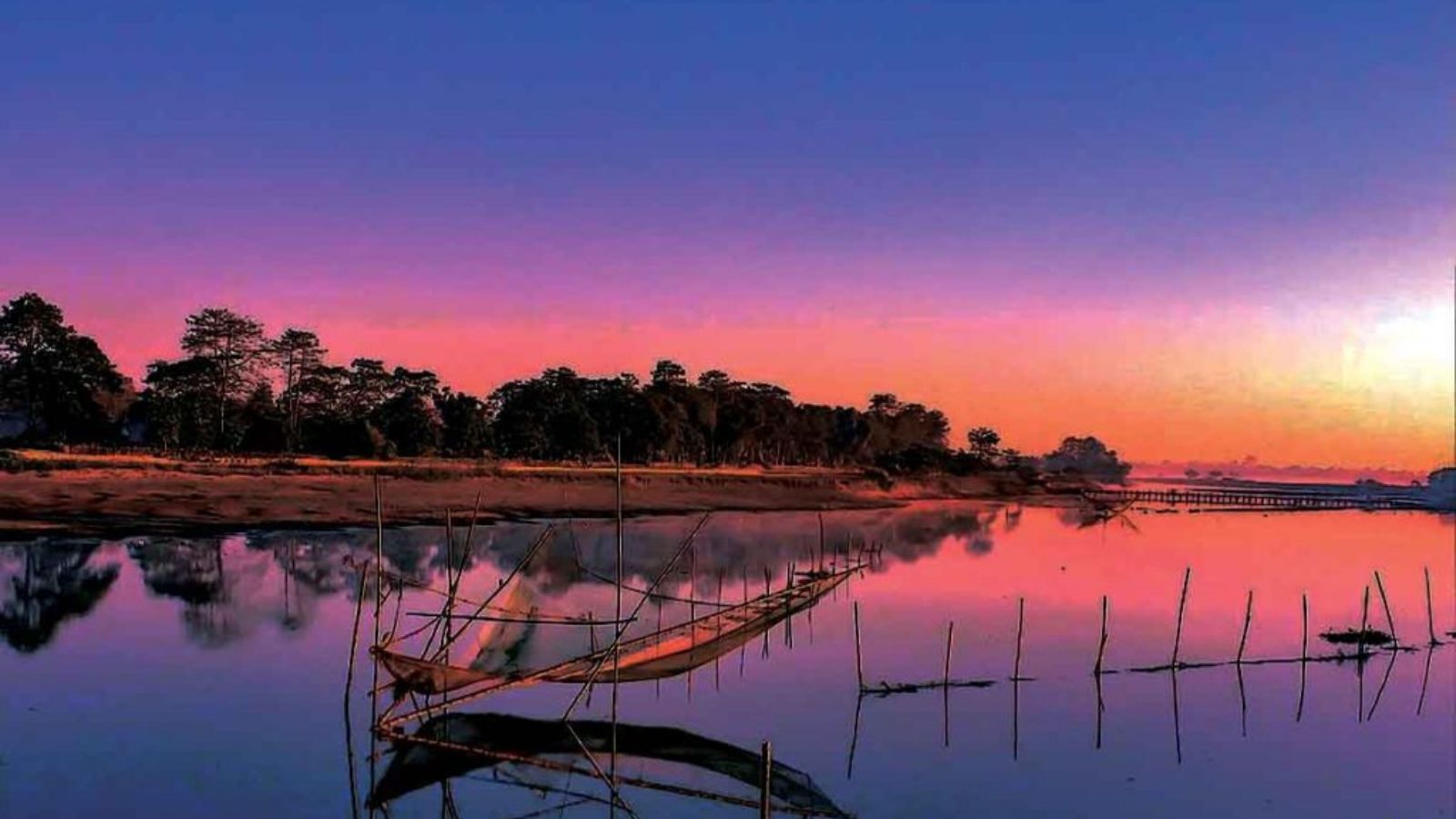
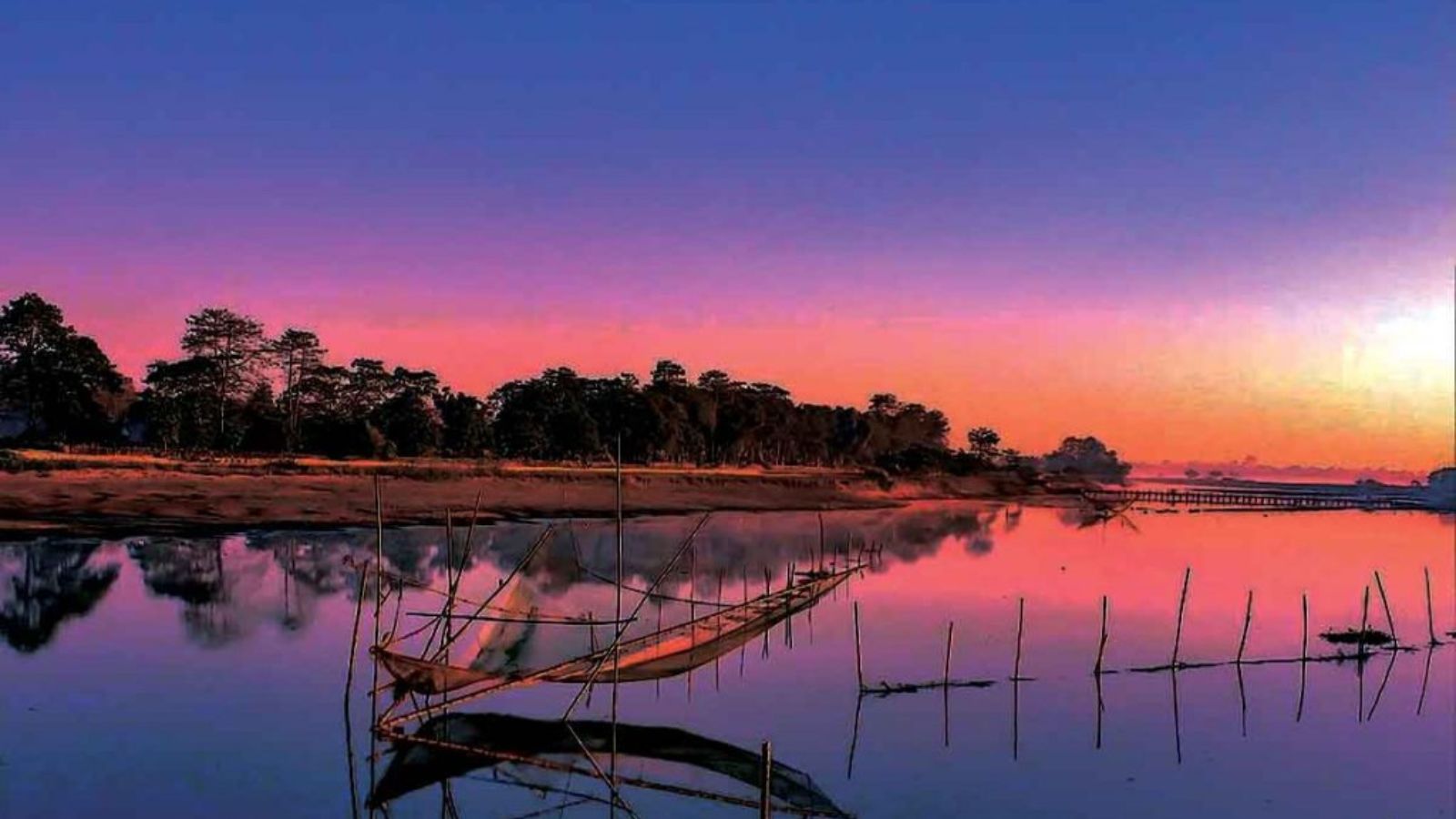
The Brahmaputra Riverfront in Dibrugarh is a stunning, newly developed urban promenade that brings visitors face-to-face with the sheer majesty of one of Asia's largest rivers. Stretching along the edge of the city, the well-maintained walkways and viewing decks provide an ideal setting for leisurely strolls while absorbing sweeping, panoramic views of the mighty, island-dotted waters. It is widely celebrated as a premier spot to witness breathtaking sunsets, where the sky bursts into vibrant shades of orange and gold over the rolling currents. Lined with landscaped gardens and seating areas, the riverfront serves as a bustling, peaceful gathering place for both locals and travelers looking to unwind and connect with upper Assam's vibrant river culture.
Overnight: Dibrugarh
DAY 2
Dibrugarh – Mon (Approx. 250 km, 8–9 hours)
After breakfast, depart Dibrugarh early morning for Mon in Arunachal Pradesh. The route passes through scenic Assam plains, tea gardens, and foothills before climbing into the eastern Himalayan valleys. Stops en route for refreshments and photography of river valleys and forests. Reach Mon by late afternoon and check in at your lodge. Evening at leisure, exploring the town and enjoying panoramic views of the surrounding hills.
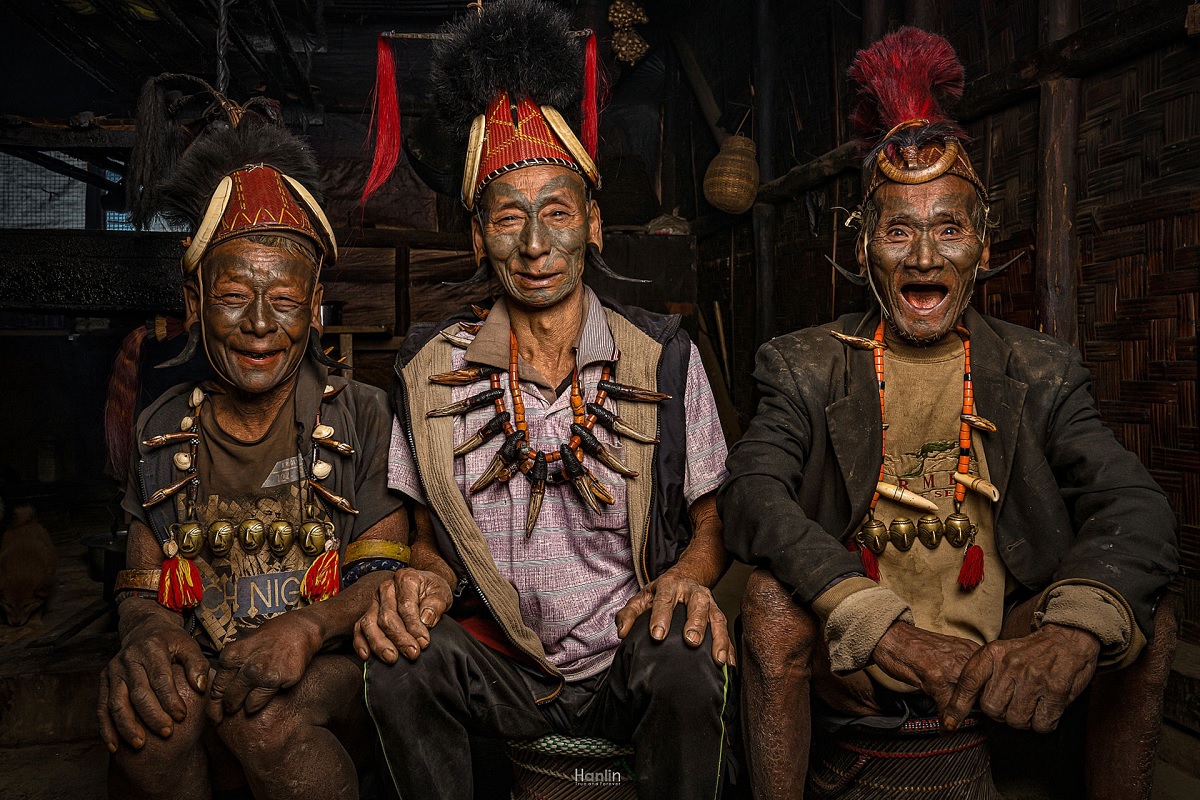
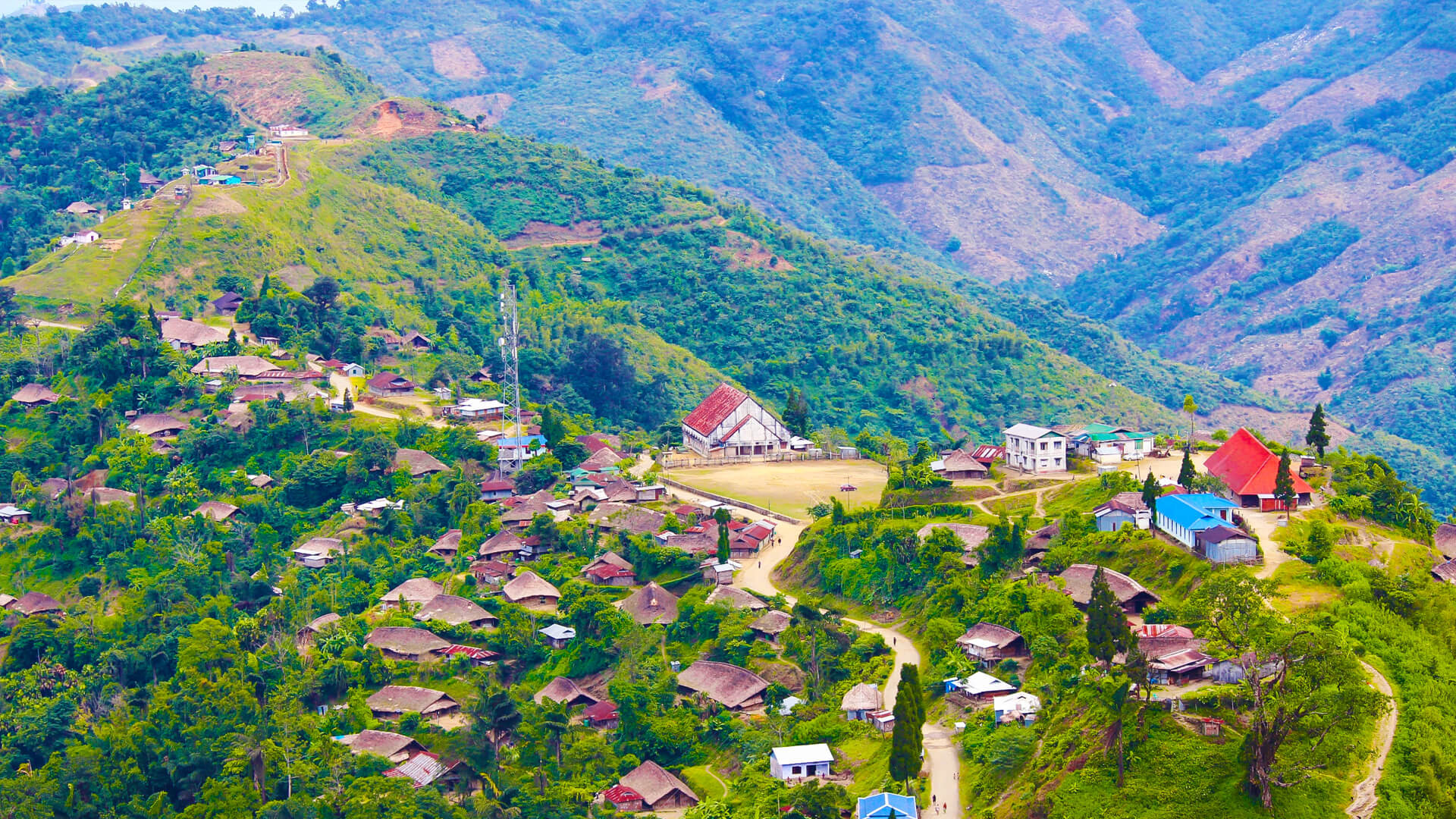
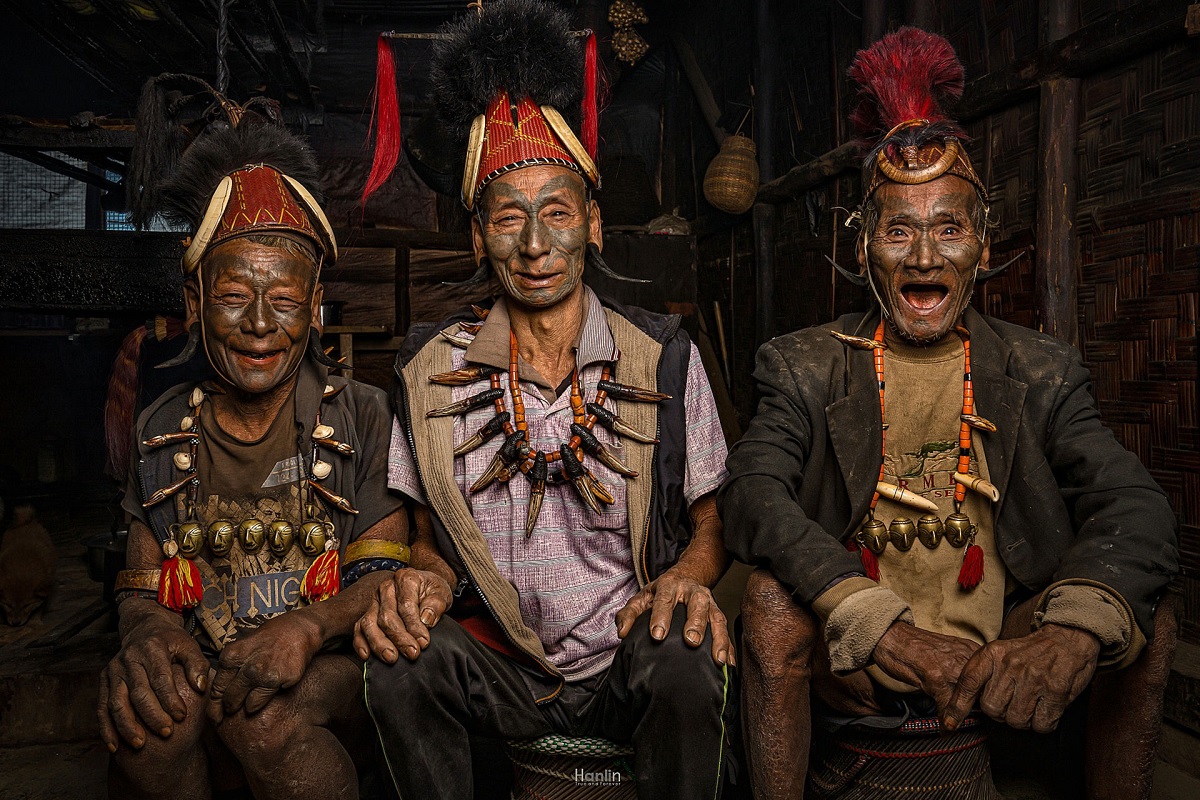
Mon is the remote, culturally fascinating homeland of the Konyak Nagas, the largest tribe in Nagaland, situated in the rugged northern tip of the state. Steeped in history, the district was once feared for its fierce headhunting traditions and is globally renowned today for its elderly warriors adorned with distinct facial tattoos and elaborate brass jewelry. Mon offers visitors an unvarnished window into ancient tribal life, where large traditional wood-carved Angh (chief) houses dominate hilltop villages. Surrounded by misty blue mountains and terraced fields, Mon provides a deeply humbling, authentic anthropological experience, preserving indigenous customs, artistry, and a fierce sense of cultural pride far removed from the modern world.
Overnight: Mon
DAY 3
Mon – Day Excursion to Lungwa (Approx. 40 km one-way, 2–3 hours drive each way)
Today, take a day excursion to Lungwa, a remote Indo-Myanmar border village inhabited by the Konyak tribe. Witness unique tribal architecture, traditional crafts, and panoramic mountain landscapes. Experience local culture and meet community elders to understand cross-border tribal heritage. Return to Mon in the evening for overnight stay.
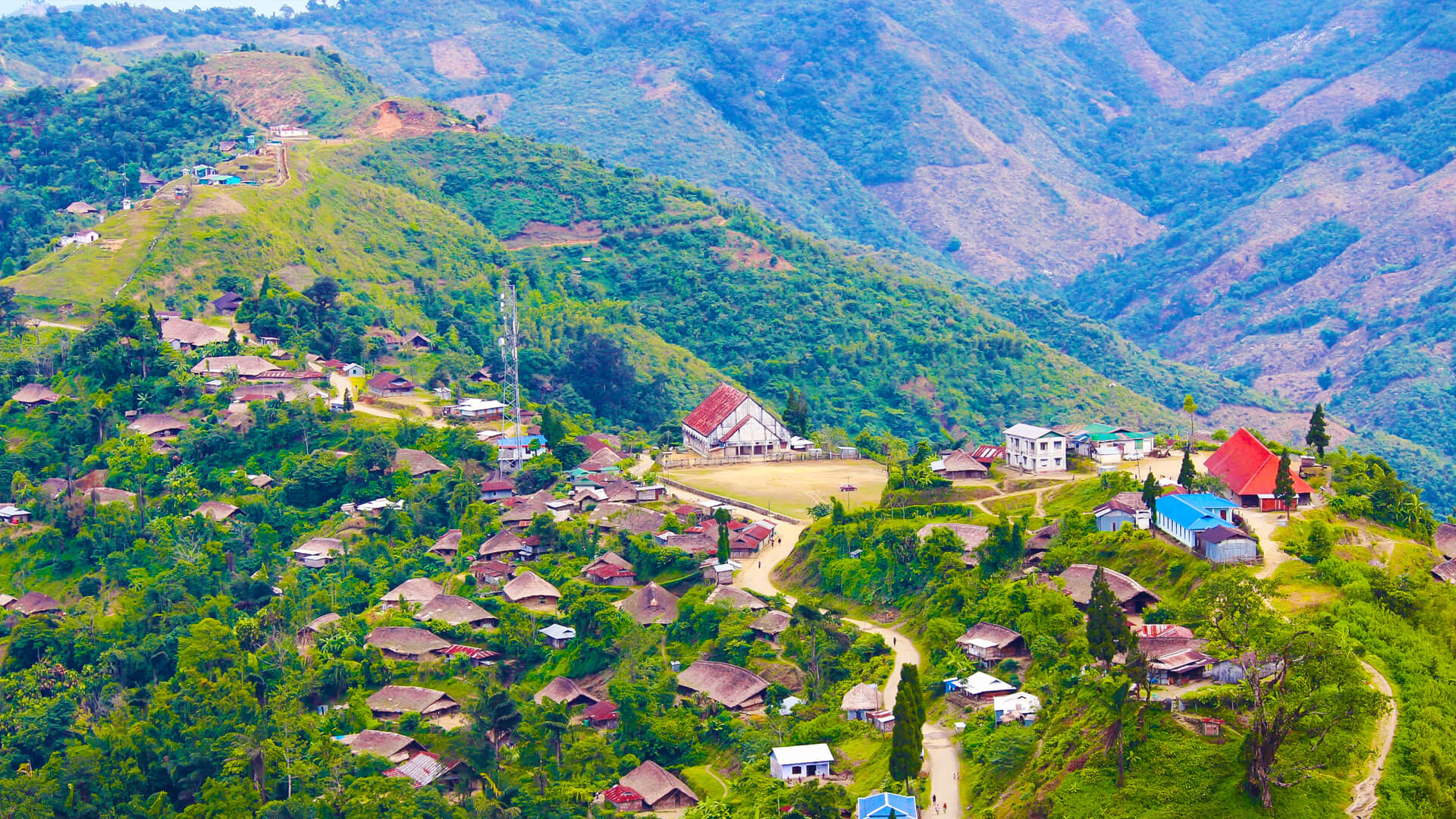
Perched dramatically on a high mountain ridge, Longwa is one of the largest and most politically intriguing villages in the Mon district of Nagaland. Its most defining and unusual characteristic is that the international boundary line between India and Myanmar runs directly through the middle of the village—and even straight through the wooden house of the local Angh (chief). This unique geopolitical quirk means the village chief holds dual citizenship and rules over subjects in two countries simultaneously. Visitors can walk freely across the border inside the chief's house, explore traditional Konyak stilted homes, meet tattooed headhunters puffing on opium pipes, and witness a seamless blend of indigenous tribal culture and cross-border heritage.
Overnight: Mon
DAY 4
Mon – Drive to Jorhat via Charaideo & Sivasagar (Approx. 160 km, 5–6 hours)
After breakfast, depart Mon early and drive back into Assam, heading towards Jorhat. En route, visit Charaideo, the sacred burial grounds of the Ahom kings, often referred to as the “Mekhela of the Ahom Dynasty,” with ancient maidams (burial mounds). Continue to Sivasagar, the historic capital of the Ahom Kingdom, famous for Rang Ghar, Talatal Ghar, and Shiva temples.
Recently inscribed as a UNESCO World Heritage site, Charaideo Maidam represents the sacred burial grounds and mound-vaults of the Ahom royalty, often poetically referred to as the Pyramids of Assam due to their distinct hemispherical dome-like earthen structures. These sacred vaults contain the mortal remains of Ahom kings, queens, and high-ranking nobles along with personal belongings, precious artifacts, and items symbolic of their status in the afterlife. Set amidst rolling green hills and shaded woodlands, the site holds immense historical and cultural sanctity, earning global recognition for its unique funerary architecture. Exploring these ancient mounds provides a solemn, deeply educational experience regarding the ancestral customs, spiritual beliefs, and royal heritage of medieval northeastern India.
Talatal Ghar is an expansive Ahom royal palace featuring unique underground tunnels and multi-story structural engineering designed for military defense.
Ranghar is a historic two-story royal sports pavilion from the Ahom era, widely celebrated as one of Asia's oldest surviving ancient amphitheatres.
Siva Dol stands proudly on the banks of the Sivasagar tank as a majestic, towering Hindu temple complex dedicated to Lord Shiva.
After sightseeing, continue to Jorhat and check in to your hotel for overnight stay.
Jorhat holds a revered place in Assam’s history as the final capital of the Ahom Kingdom, serving as a beacon of heritage, commerce, and culture. Earning its reputation as the "Tea Capital of the World," Jorhat played an instrumental role in shaping the region’s tea industry, home to the historic Tocklai Tea Research Institute, one of the oldest tea research stations globally. Beyond its sprawling emerald estates and colonial-era bungalows, the town remains a vibrant sanctuary of Assamese literature, education, and artistic traditions. Today, Jorhat effortlessly blends its regal Ahom heritage and pioneering agrarian legacy, standing as a proud symbol of Northeast India’s rich history, enduring identity, and economic vitality.
Overnight: Jorhat
DAY 5
Jorhat – Majuli (Approx. 90 km by road + 20–30 min ferry)
After breakfast, drive to Nimati Ghat and take a ferry to Majuli Island, the world’s largest river island on the Brahmaputra.
Cradled by the mighty Brahmaputra River, Majuli is a mesmerizing river island and the vibrant cultural capital of Assam's Neo-Vaishnavite heritage. Formed by dynamic riverine currents, this ecological paradise has been a sanctuary of art, spirituality, and tradition since the 15th century, when the saint Srimanta Sankardeva established its legendary Satras (monasteries). These monastic institutions continue to preserve timeless traditions, including classical Sattriya dance, traditional mask-making, and devotional music. Home to diverse indigenous communities living in harmony with nature, Majuli’s lush wetlands and scenic landscapes offer a tranquil glimpse into rural Assamese life. Despite facing the constant threat of riverbank erosion, Majuli stands as a resilient, living monument of India's unmatched cultural and natural heritage.
In the afternoon visit Auniati Satra and intract with the monks.
Sri Sri Auniati Satra stands as one of the oldest, largest, and most influential Vaishnavite monasteries on Majuli, offering visitors a fascinating journey into the historical depths of Assamese spirituality and heritage. Established during the Ahom kingdom, the satra features an impressive on-site museum that houses a priceless collection of ancient royal artifacts, traditional jewelry, rare manuscripts, old scriptures, and historical weapons. The monastery is deeply celebrated for nurturing traditional arts, devotional music, and intricate dance forms like the royal-patronized Apsara dance. Surrounded by lush greenery and peaceful courtyards, it offers a deeply immersive environment where travelers can observe daily spiritual rituals, appreciate timeless craftsmanship, and connect with the profound cultural philosophy that has sustained this river island for centuries.
Overnight: Majuli
DAY 6
Majuli Exploration
Spend a full day exploring Majuli’s unique culture and natural beauty. Walk through traditional villages, visit Satras to observe religious practices, watch mask-making and pottery, and enjoy birdwatching along the riverbanks and wetlands. The day provides a blend of cultural immersion and nature photography.
Kamalabari Satra is a prominent cultural and religious institution located on the picturesque island of Majuli, renowned extensively as a major center for preserving traditional Assamese art, literature, music, and classical boat-making crafts. Founded centuries ago, it plays a vital role in upholding the core values of the Neo-Vaishnavite movement propagated by Saint Srimanta Sankaradeva. Visitors to this sacred monastery can experience a serene spiritual atmosphere while witnessing dedicated practitioners engage in traditional devotional prayers, devotional songs, and classical performing arts. The tranquil environs, coupled with its rich historical legacy and continuous contribution to local heritage, make it an essential destination for travelers seeking a profound understanding of Assam's indigenous cultural roots and monastic lifestyle.
Sri Sri Samaguri Satra(Majuli) is globally celebrated and internationally renowned for its extraordinary, age-old heritage of traditional mask-making, a unique craft that has been meticulously preserved and passed down through generations of local artisan families. These intricately crafted, vibrant, and eco-friendly masks are primarily made from bamboo, clay, cloth, and natural colors, serving an essential role in traditional theatrical dance-dramas known as Bhaona, which enact epic mythological stories. Visiting this extraordinary satra allows travelers to witness master artisans skillfully molding raw materials into expressive divine and demonic faces. Beyond observing the creative process, visitors can engage with the resident monks to learn about the spiritual symbolism behind each character, making it an unmissable cultural hotspot on the world's largest river island.
The vibrant Mising tribe of Majuli, the world's largest river island, features iconic bamboo stilt houses (Chang Ghar) engineered to survive seasonal monsoon floods. Their rich daily life centers around paddy farming, river fishing, and exceptional loin-loom weaving, producing striking geometric textiles. Distinctive earthy cuisine includes smoked meats and Apong, a traditional rice beer symbolizing hospitality, while lively festivals like Ali-Aye-Ligang celebrate agricultural cycles through energetic folk dances. Remarkably, the Mising people share a harmonious cultural space with Majuli’s dominant 15th-century Neo-Vaishnavite movement. Preserving ancestral animism while blending seamlessly into the island's broader spiritual fabric, their tribal settlements coexist peacefully alongside classical monastic Satras, creating a unique and dynamic cultural mosaic at the heart of Assam.
Overnight: Majuli
DAY 7
Majuli – Dibrugarh Airport (Approx. 133 kms, 3.5–4 hours)
After breakfast, take the ferry back to Nimati Ghat and drive to Dibrugarh Airport for onward departure, concluding your journey through remote tribal landscapes, Assam’s heritage, and riverine biodiversity.
Best Months to Visit
October – April
Note: Overnight stays are planned in carefully selected heritage hotels (or similar category).