Eastern Assam & Arunachal Wildlife & Birding Retreat
Hidden rainforests, misty wetlands, and vibrant birdlife define this thrilling 7-day expedition through Eastern Assam and Arunachal Pradesh. Centered around Tinsukia, Namdapha, and Duliajan, the journey explores some of Northeast India’s richest biodiversity corridors, where tropical forests meet riverine plains. Guests venture into dense evergreen jungles, bamboo groves, and quiet wetlands in search of hornbills, rare pheasants, primates, and elusive wildlife. Designed for nature lovers, birders, and wildlife photographers, the retreat blends guided forest walks, river explorations, and peaceful lodge stays. With minimal crowds and maximum wilderness, it offers a deeply immersive experience in one of India’s most exciting and little-known natural landscapes.
PROGRAM SUMMARY SNAPSHOT
-
Day 1:
Arrival Dibrugarh – Transfer to Tinsukia | Overnight Tinsukia
-
Day 2:
Tinsukia: Dibru-Saikhowa National Park, Maguri Beel & Barekuri Village | Overnight Tinsukia
-
Day 3:
Tinsukia – Namdapha National Park | Overnight Namdapha
-
Day 4:
Namdapha National Park | Overnight Namdapha
-
Day 5:
Namdapha – Duliajan | Overnight Duliajan
-
Day 6:
Duliajan: Dehing Patkai National Park Birding & Wildlife Photography | Overnight Duliajan
-
Day 7:
Departure from Dibrugarh Airport
Key Highlights
2 nights stay in Tinsukia, exploring Dibru-Saikhowa National Park, Maguri Beel wetlands, and Barekuri Gibbon Village
2 nights in Namdapha National Park, Arunachal Pradesh, for primate spotting, trekking, and forest photography2 nights in Duliajan, gateway to Dehing Patkai Rainforest, one of India’s richest biodiversity areas
Birdwatching for migratory and endemic species: hornbills, kingfishers, wagtails, and waterfowl
Wildlife photography: gibbons, macaques, deer, wild buffalo, and reptiles
Boat rides, jeep safaris, and forest walks with expert guides
Village interactions at Barekuri for community-led gibbon conservation
Detailed Itinerary
Click each day to expand details.
DAY 1
Arrival Dibrugarh – Transfer to Tinsukia
Arrive at Dibrugarh Airport and drive to Tinsukia (Approx. 1–1.5 hours).
Pulsating with life and history, Tinsukia serves as the vibrant commercial heartbeat of Upper Assam. Renowned for its sprawling, emerald-green tea gardens that stretch as far as the eye can see, this dynamic town is a seamless blend of heritage and commerce. Beyond its industrial charm, Tinsukia acts as the ultimate gateway to some of Assam's greatest ecological treasures, including the wild horses and floating forests of Dibru-Saikhowa National Park. Visitors can explore ancient historical sites, savor authentic Assamese cuisine, and experience the lively local culture. Rich in biodiversity, warm hospitality, and timeless traditions, Tinsukia captures the true spirit and untamed beauty of Northeast India.
Check in to your lodge or eco-resort.
Evening at leisure along the Brahmaputra or lodge surroundings.
Overnight: Tinsukia
DAY 2
Tinsukia – Dibru-Saikhowa National Park, Maguri Beel & Barekuri Village
Early morning, visit Maguri Beel, a premier birdwatching wetland for migratory waterfowl.
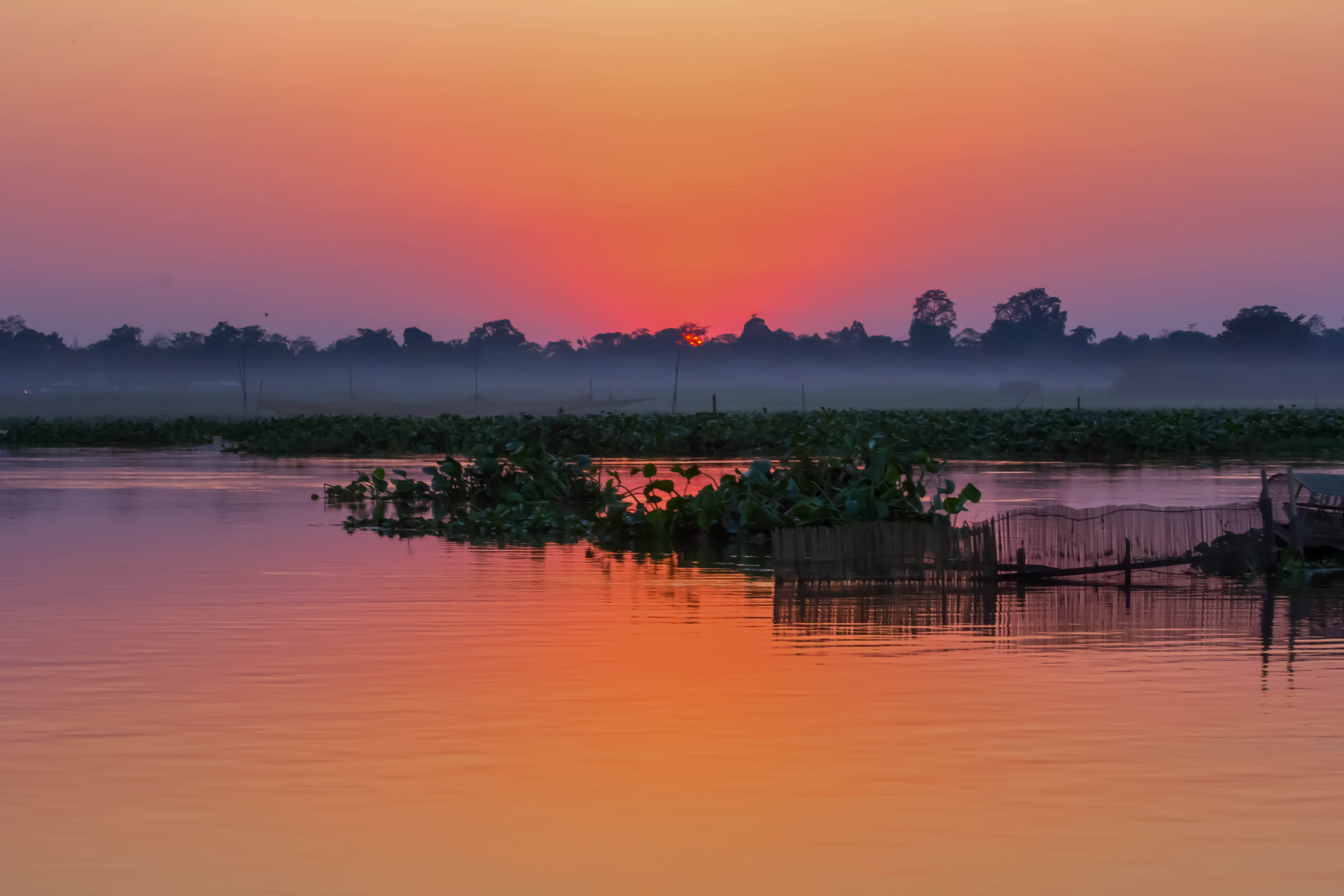
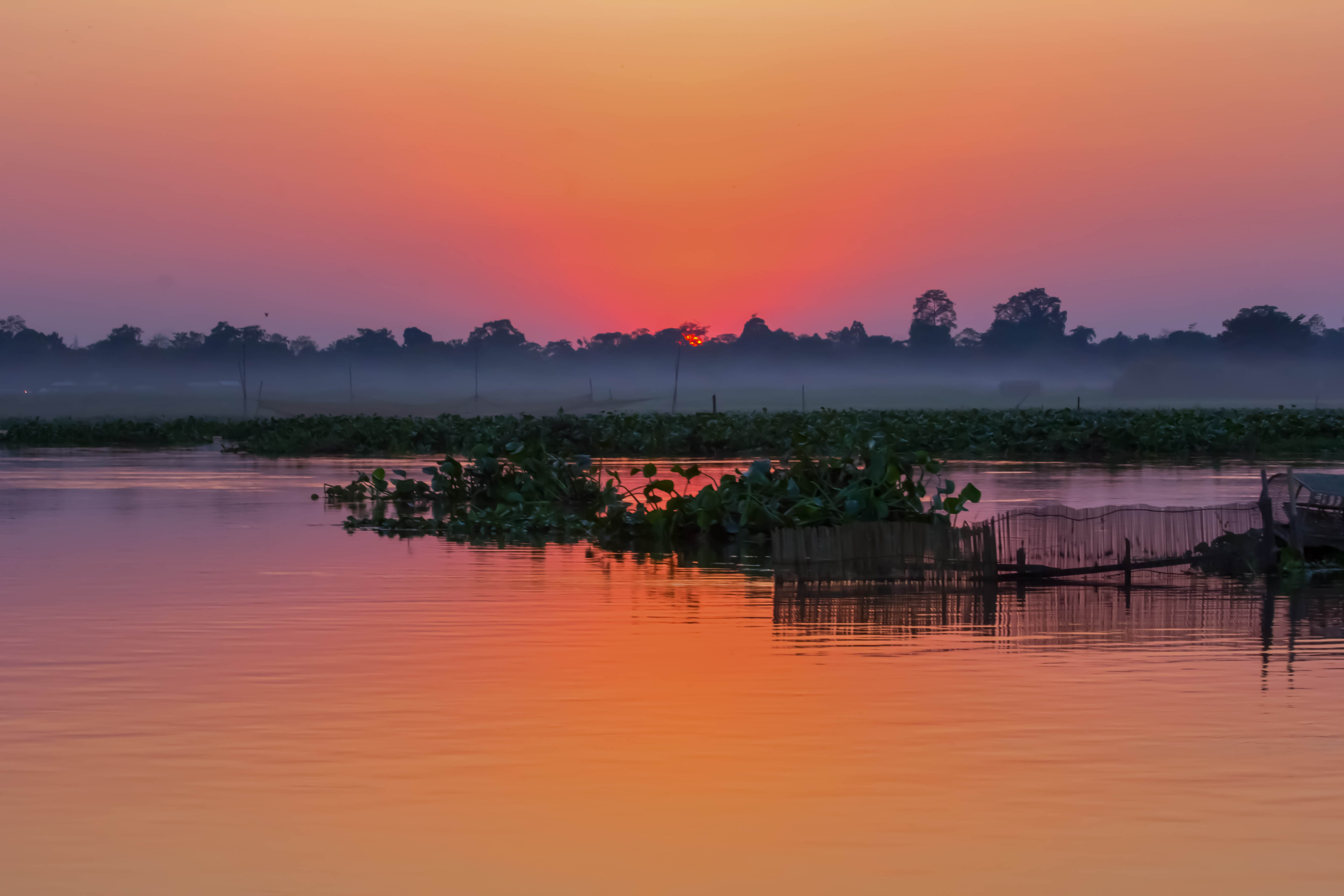
Located just outside the boundaries of Dibru-Saikhowa National Park, Maguri Beel is a vast, nutrient-rich freshwater lake and wetland that serves as a haven for both nature lovers and ornithologists. The beel comes alive during winter when thousands of migratory birds—including rare ducks, geese, and falcons—flock to its calm waters. Visitors can embark on peaceful boat rides on traditional country canoes steered by local fishermen, capturing breathtaking reflections of the sunset and observing unique traditional fishing techniques up close. Surrounded by lush green marshes and vibrant local communities, Maguri Beel provides an authentic, serene glimpse into the rich aquatic ecosystem and pastoral beauty of upper Assam.
After breakfast, boat safari in Dibru-Saikhowa National Park to explore wetlands, grasslands, and riverine forests.
Situated in the alluvial floodplains of Assam, Dibru-Saikhowa National Park is one of the world's largest river island national parks, bounded by the Brahmaputra, Lohit, and Dibru rivers. This dynamic, flood-shaped ecosystem features a remarkable mosaic of semi-evergreen forests, deciduous woods, grasslands, and flooded wetlands. It is globally celebrated as a sanctuary for wildlife enthusiasts, housing rare species such as feral horses, hoolock gibbons, slow lorises, and numerous migratory waterbirds. Visitors can explore its pristine wilderness through exciting boat safaris and guided nature trails, experiencing a raw, untouched frontier where the raw power of shifting rivers constantly sculpts a unique and thriving natural habitat.
In the afternoon, explore Barekuri Village, a community-led gibbon conservation village:
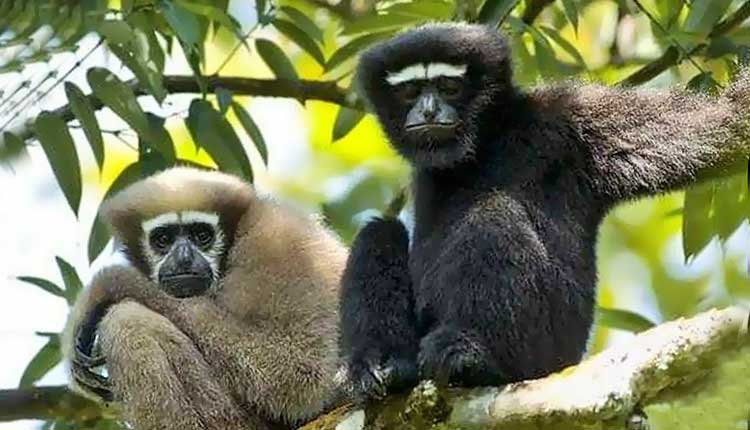
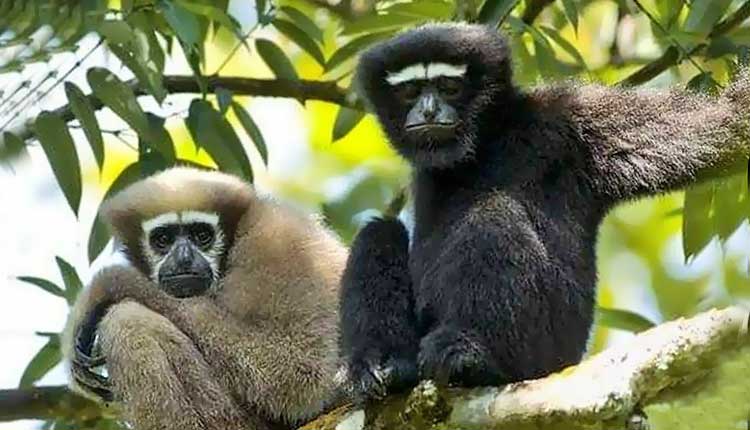
Barekuri is a heartwarming, picturesque village in Assam where wildlife conservation and human compassion beautifully intertwine. Famous globally for its thriving population of the endangered Hoolock Gibbon—India's only ape species—this unique community allows visitors to witness these charismatic primates leaping freely through backyard trees. The villagers share a deep, harmonious bond with the wildlife, protecting them as cherished members of their own community. Surrounded by serene village paths, vibrant flora, and traditional Assamese homesteads, Barekuri offers a rare, soul-enriching wildlife encounter away from commercial tourism. It stands as an inspiring testament to peaceful coexistence, making it an absolute must-visit for nature enthusiasts and animal lovers alike.
Evening at leisure with dinner.
Overnight: Tinsukia
DAY 3
Tinsukia – Namdapha National Park
After breakfast, drive to Namdapha National Park, Arunachal Pradesh (Approx. 6–7 hours).
Tucked away in the easternmost corner of Arunachal Pradesh along the Myanmar border, Namdapha National Park is India's third-largest and most biologically diverse protected area. Spanning dense tropical rainforests to alpine snow-capped peaks, this remote wilderness is the only park in the world known to harbor four distinct feline species: tigers, leopards, clouded leopards, and snow leopards. It serves as a vital sanctuary for endangered wildlife, including the hoolock gibbon and incredible avian life. Exploring its rugged trails, towering ancient trees, and crystal-clear mountain streams offers an unmatched, deeply rewarding expedition for hardcore wildlife enthusiasts, trekkers, and nature conservationists seeking earth's most pristine frontiers.
Check in at a lodge or eco-hut near the park.
Evening visit the Tibetan refugee settlement in Miao offers a fascinating cultural diversion on the gateway to Namdapha National Park. Established decades ago, this peaceful community has preserved its vibrant identity, traditions, and spiritual heritage amidst the lush landscapes of Arunachal Pradesh. Visitors can explore ornately decorated Buddhist monasteries adorned with colorful prayer flags, spinning wheels, and serene statues. The settlement is also renowned for traditional Tibetan handicrafts, hand-woven carpets, and authentic local eateries serving delicious momos and thukpa. Engaging with the welcoming residents provides deep insights into their resilience, craftsmanship, and rich cultural tapestry, adding a wonderfully diverse dimension to your wilderness expedition..
Overnight: Namdapha National Park
DAY 4
Namdapha National Park Exploration
Full day birding, wildlife trekking to Deban and photography in Namdapha National Park.
Renowned internationally as a paradise for ornithologists, Namdapha National Park shelters over 400 bird species due to its wide elevation range and dense tropical forests. Early morning birding excursions near Deban and interior forest tracks offer incredible opportunities to spot majestic birds such as the Great Hornbill, Rufous-necked Hornbill, blue-naped pitta, and the endangered white-winged wood duck. The high, dense canopy echoes with exotic calls, providing an auditory and visual treat for nature photographers. Equipped with good binoculars and patience, bird lovers can spend hours identifying rare migratory and resident species that thrive undisturbed in this remote eastern corner of India.
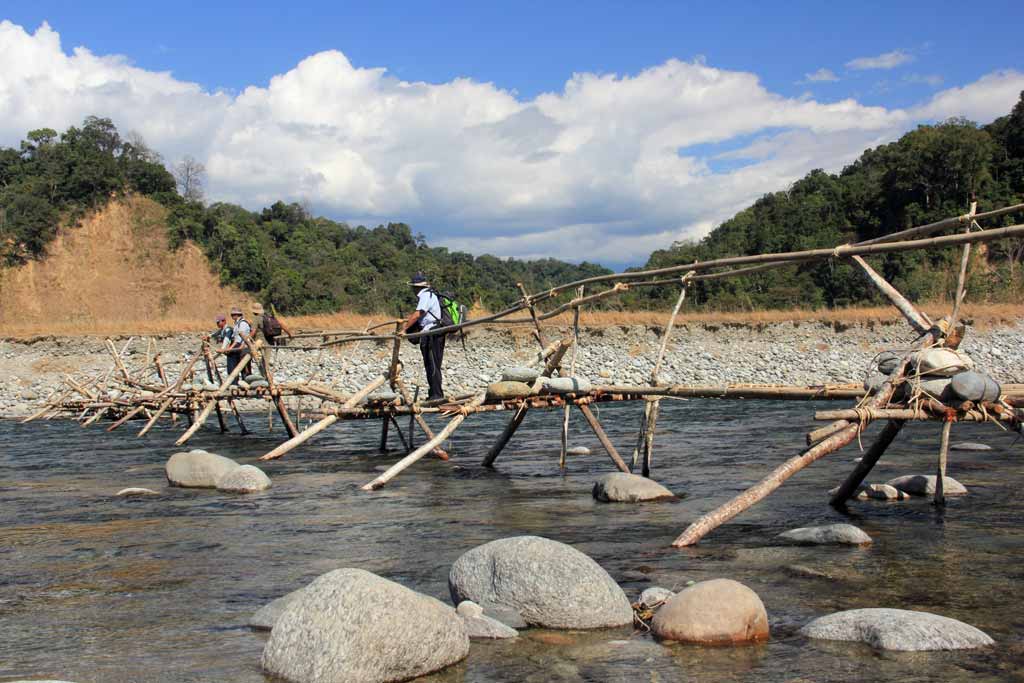
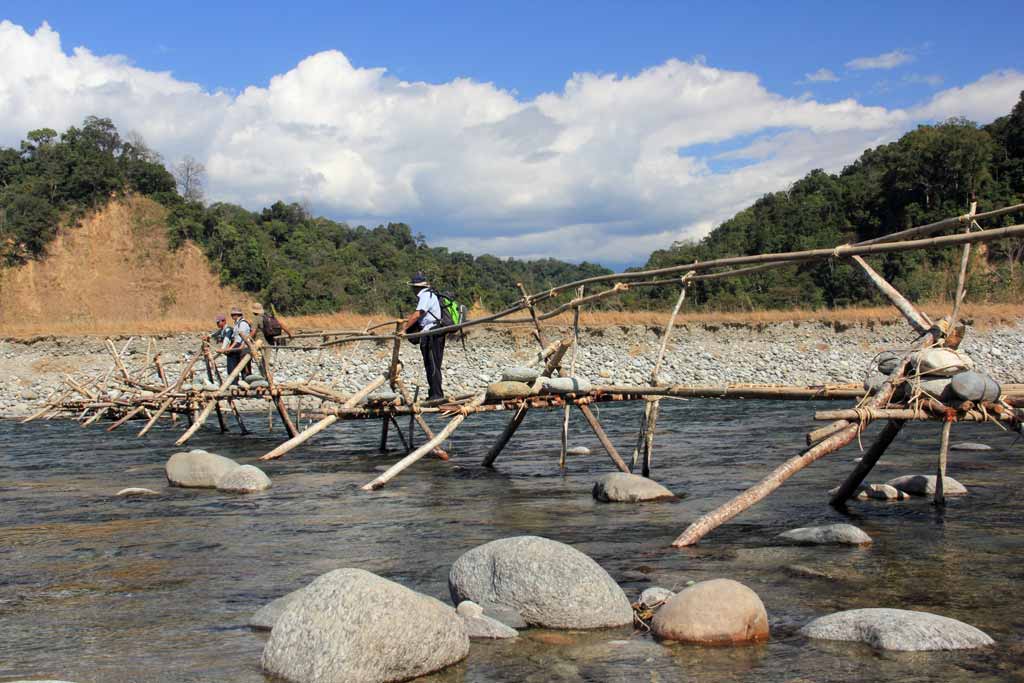
Deban serves as the gateway and primary base camp for all explorations inside Namdapha National Park. Situated picturesquely along the banks of the rushing Nao Dihing River, this remote outpost is surrounded by dense evergreen rainforests and towering mountain ridges. It offers rustic forest rest houses and camping grounds that immerse travelers right in the lap of nature. Deban is also an exceptional starting point for early morning birdwatching, short nature walks, and interacting with local guides who possess profound knowledge of the region's wilderness. The misty mornings, soothing sound of the river, and starry night skies make Deban an unforgettable sanctuary for peace-seekers and wildlife enthusiasts alike.
Evening at leisure at the lodge.
Overnight: Namdapha National Park
DAY 5
Namdapha – Duliajan
After breakfast, drive to Duliajan (Approx. 5 hours) en-route visiting Stilwell Road in Ledo, Margherita, & Digboi.
Ledo is a historic railhead town in eastern Assam, famous for its rich coalfields and as the starting point of the legendary wartime Stilwell Road.
Built during World War II, Stilwell Road is an iconic 1,726-kilometer military highway connecting Ledo, Assam to Kunming, China through rugged Asian terrain.
Named after Italy’s queen, Margherita is a picturesque industrial town in Assam celebrated for its sprawling tea estates, coal mining, and historic plywood industry.
Digboi holds an extraordinary place in industrial history as the cradle of Asia’s oil industry. Crude oil was discovered here in the late 19th century, leading to the commissioning of Asia’s first oil refinery in 1901, which remains active to this day. Legend attributes the town’s name to the phrase "Dig, boy, dig!" shouted by British engineers to laborers encouraging oil extraction. Beyond its active oil fields, Digboi is celebrated for its well-preserved British colonial heritage, features a world-class 18-hole golf course nestled among tropical forests, and houses the historic Digboi Centenary Oil Museum. This unique blend of industrial pioneering, colonial elegance, and rich biodiversity makes Digboi an indispensable chapter of Assam’s history.
Upon arrival in Duliajan checkin at hotel.
Duliajan is a unique, picturesque industrial township nestled amidst the lush tea gardens and forests of upper Assam, serving as the operational headquarters of Oil India Limited. Established during the pioneering days of crude oil extraction in India, the town is celebrated for its exceptionally well-planned layout, wide tree-lined avenues, and clean, green residential colonies. Unlike typical bustling commercial towns, Duliajan offers a tranquil, self-contained environment featuring sports complexes, golf courses, and colonial-era bungalows that reflect a distinct heritage. It stands as a fascinating intersection of modern industrial history and serene suburban living, surrounded by the natural beauty and rich cultural tapestry of the Assamese countryside.
Overnight: Duliajan
DAY 6
Dehing Patkai National Park Birding & Wildlife Photography
Full day dedicated to birding and wildlife photography in Dehing Patkai National Park, one of the richest tropical rainforests in Northeast India.
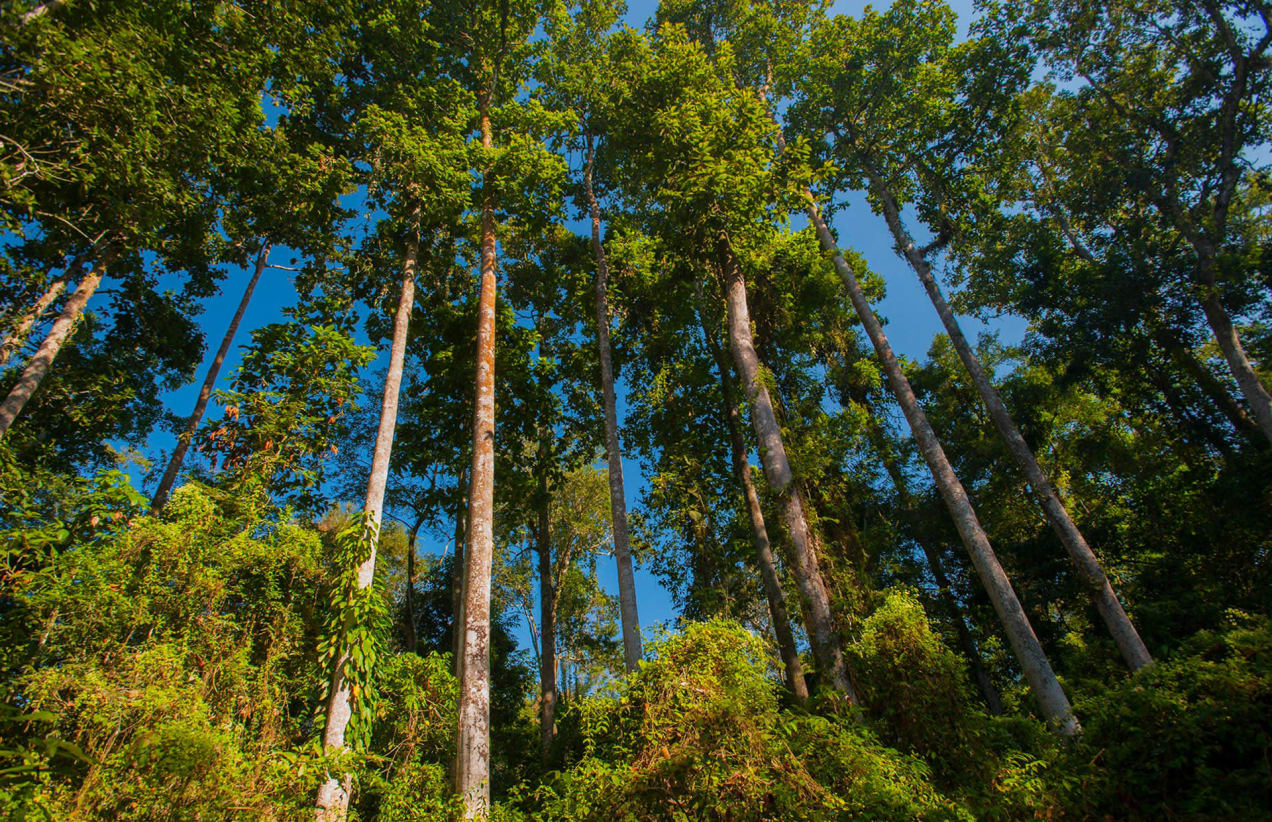
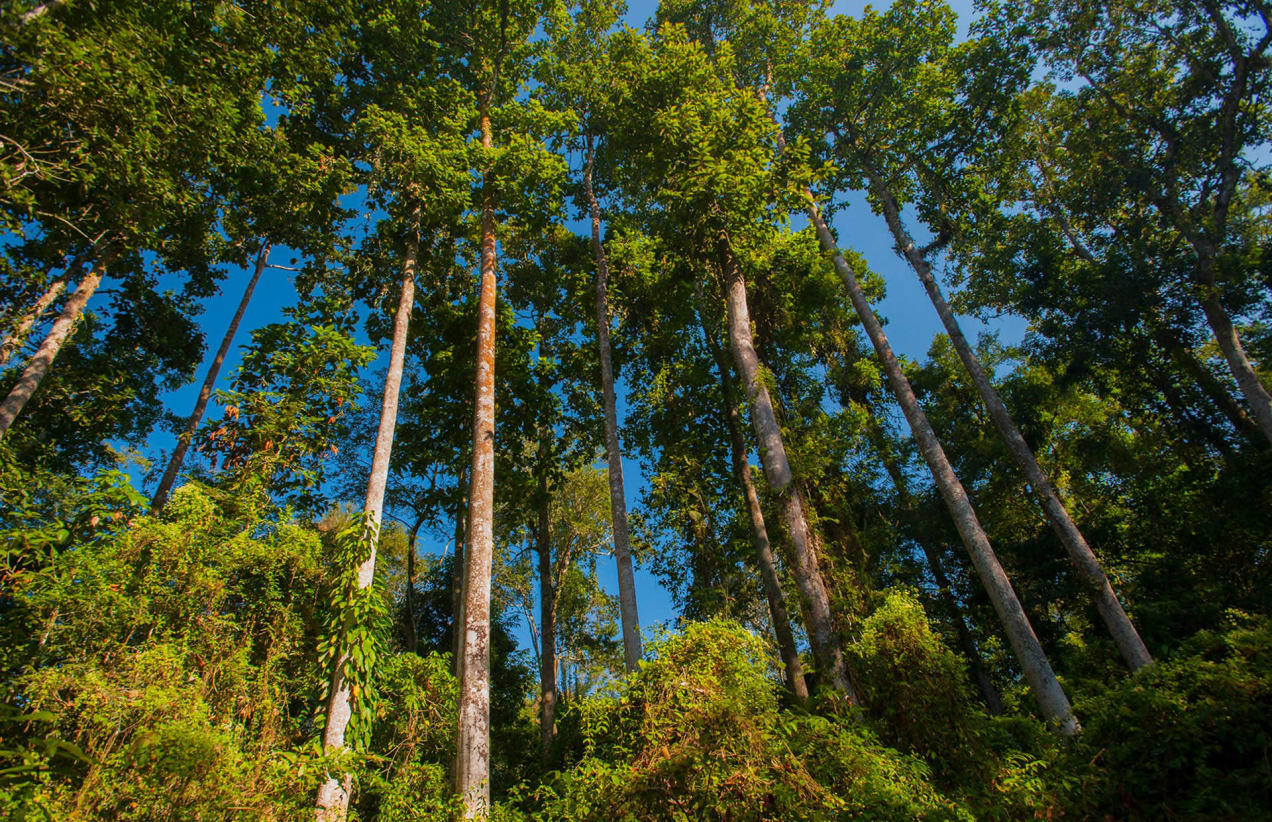
Often referred to as the "Amazon of the East," Dehing Patkai Rainforest is a magnificent expanse of tropical lowland evergreen forest stretching across the Dibrugarh and Tinsukia districts of Assam. Designated as a national park, this pristine wilderness is characterized by towering ancient trees, thick undergrowths, and an astonishingly rich web of flora and fauna. It is a premier sanctuary for endangered wildlife, serving as a critical home for hoolock gibbons, Asian elephants, slow lorises, and over three hundred bird species. Traversing its dense canopy trails offers an immersive, raw encounter with one of India's last remaining undisturbed rainforest ecosystems, captivating nature lovers and conservationists alike.
Meet you local guide & forest guard for a walking safari inside the "Amazon of the East".
This immersive wilderness and cultural expedition begins with a guided walking safari from Jaypore, trekking through the lush, dense canopy trails of the Dehing Patkai foothills toward the Namsang Tea Estate Model School. Accompanied by expert nature guides, hikers explore rich rainforest flora, spot exotic birds, and experience the raw serenity of upper Assam's jungle ecosystem. Upon reaching Namsang Tea Estate, the journey transitions gracefully onto the water. Travelers board traditional wooden country boats to cruise down the peaceful, winding river channels. This scenic aquatic leg concludes at the historic Thai Phake Village, where visitors are warmly welcomed into a unique, living Tai Phake Buddhist community to discover their rich heritage and traditions.
Namphake Village is a captivating and culturally rich ethnic settlement located near Naharkatia in upper Assam, inhabited by the Tai Phake community who migrated from Myanmar centuries ago. Nestled along the banks of the Burhi Dihing River, the village offers a serene escape where residents strictly preserve their unique language, script, traditional stilted wooden architecture, and Theravada Buddhist customs. Visitors are welcomed into a peaceful atmosphere dominated by a beautifully maintained Buddhist monastery housing sacred relics and prayer wheels. Exploring the village allows travelers to experience authentic Tai Phake hospitality, taste traditional homemade delicacies, and witness intricate handloom weaving, making it a truly immersive cultural haven in the Assamese countryside.
Evening at leisure with dinner and reflection.
Overnight: Duliajan
DAY 7
Departure from Dibrugarh Airport
After breakfast, check out and drive to Dibrugarh Airport (Approx. 1–1.5 hours) for your onward journey, concluding a wildlife-rich exploration of Eastern Assam and Arunachal Pradesh.
Best months to visit:
October–April
(Monsoon months may affect Namdapha and Dehing Patkai access; birdwatching is best in winter months)
Note: Overnight stays are planned in carefully selected heritage hotels (or similar category).