Sacred Heartland of India
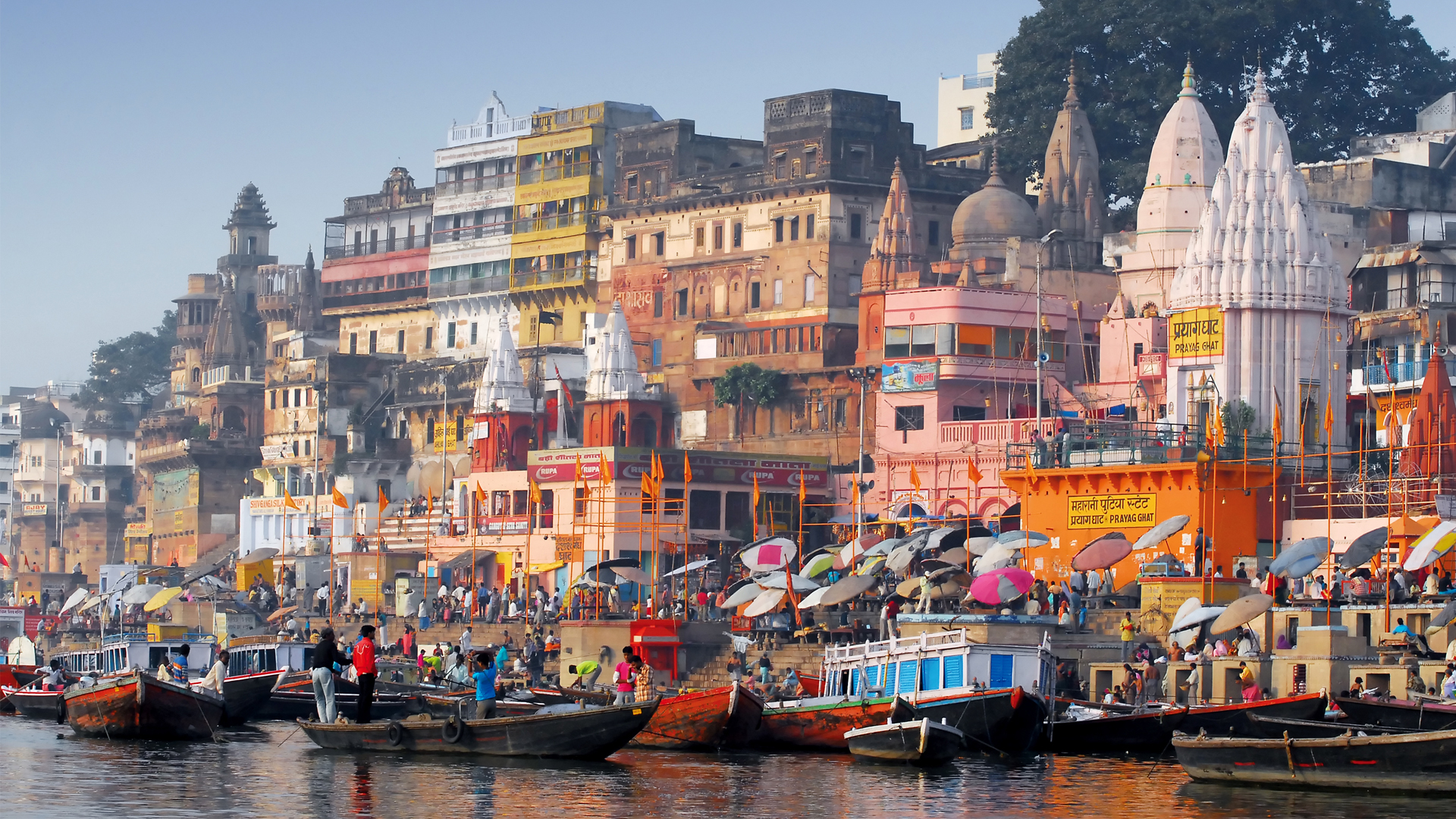
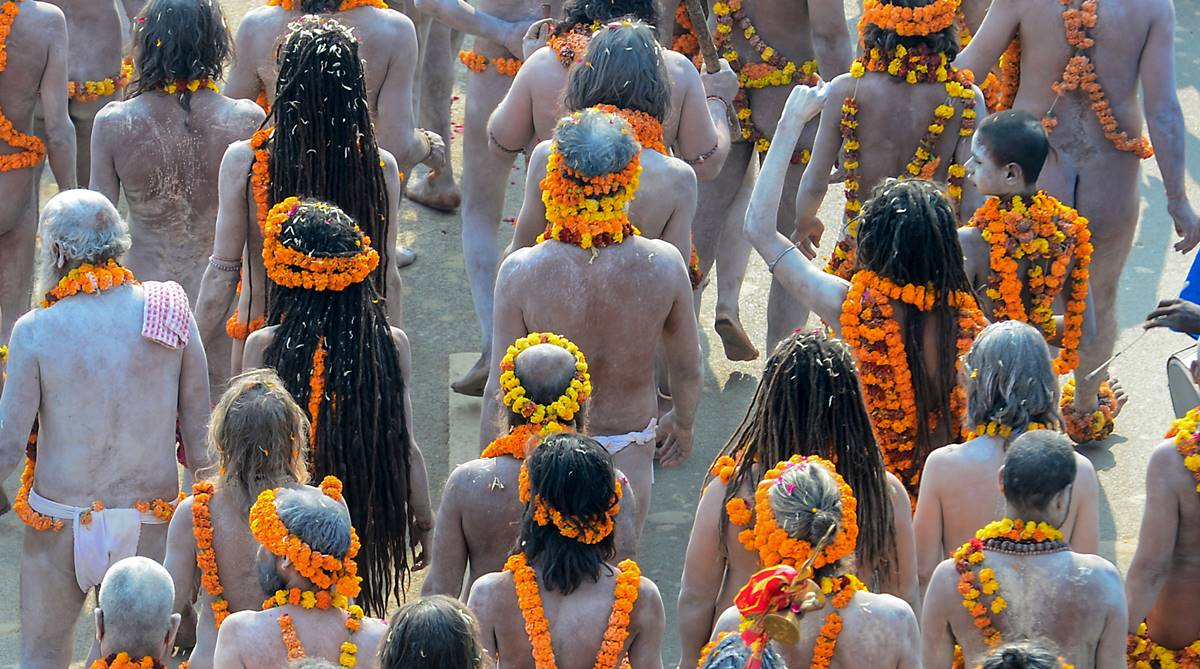
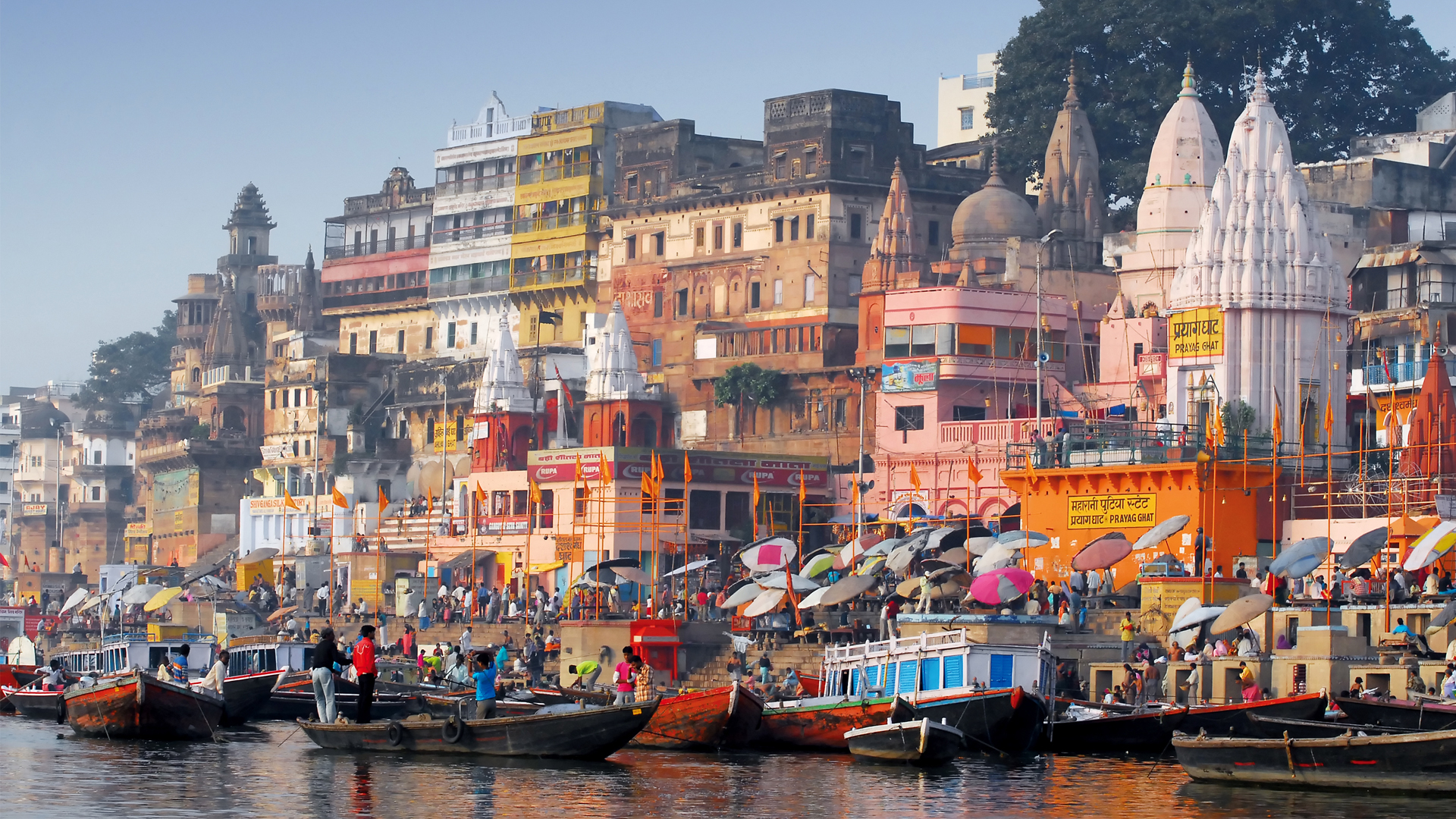
Sacred Heartland of India offers a powerful short pilgrimage through the most revered spiritual centers of North India. Beginning and ending in Varanasi, the journey moves through the sacred river confluence of Prayagraj and the holy city of Ayodhya, birthplace of Lord Rama. Within a compact yet thoughtfully planned route, travelers experience ancient temples, peaceful Buddhist-linked sites, and timeless river rituals that have shaped India’s spiritual identity for thousands of years. Designed especially for those with limited time, the itinerary balances meaningful Darshan, evening aartis, and quiet moments of reflection with comfortable travel and smooth logistics, making it ideal for devotees, senior travelers, and cultural explorers seeking depth within a short Himalayan and Gangetic circuit.
PROGRAM SUMMARY SNAPSHOT
-
Day 1:
Arrival Varanasi | Overnight Varanasi
-
Day 2:
Varanasi – Temples & Sarnath Sightseeing | Overnight Varanasi
-
Day 3:
Varanasi → Prayagraj → Ayodhya | Overnight Ayodhya
-
Day 4:
Ayodhya → Varanasi (via Prayagraj optional stops) | Overnight Varanasi
-
Day 5:
Varanasi – Departure
Key Highlights
Darshan at Kashi Vishwanath Temple & Shri Ram Janmabhoomi
Sunrise Ganga boat ride and Ganga Aarti
Visit Sarnath, the site of Lord Buddha’s first sermon
Triveni Sangam in Prayagraj
Sacred sites in Ayodhya linked to Lord Ram
Compact, spiritually immersive journey with a comfortable pace
Detailed Itinerary
Click each day to expand details.
DAY 1
Arrival in Varanasi
Arrive at Varanasi Airport or Railway Station. Transfer to hotel.
Evening: Witness the mesmerizing Ganga Aarti at Dashashwamedh Ghat.
Dinner at hotel.
Overnight: Varanasi
DAY 2
Varanasi – Temples & Sarnath
Early sunrise boat ride on the Ganga. Later after breakfast Temple Darshan in Varanasi including the below.
Kashi Vishwanath Temple (Jyotirlinga of Lord Shiva): One of the twelve Jyotirlingas of Lord Shiva, this sacred temple symbolizes liberation and divine energy, drawing millions of devotees seeking moksha in the eternal city of Kashi.
Annapurna Temple: Annapurna Temple is dedicated to Goddess Annapurna, the deity of nourishment and abundance, revered for blessings of food, prosperity, and spiritual fulfillment for devotees.
Kalabhairav Temple: Kalabhairav Temple honors Lord Kalabhairav, the fierce guardian form of Shiva, believed to protect devotees, punish injustice, and remove fear, negativity, and obstacles.
Sankat Mochan Hanuman Temple: Sankat Mochan Hanuman Temple is devoted to Lord Hanuman, worshipped for strength, courage, and relief from troubles, mental stress, and life’s hardships.
Afternoon visit to Sarnath ruins & Museum.
Dhamek Stupa: Dhamek Stupa marks the site where Lord Buddha delivered his first sermon, symbolizing the beginning of Buddhism and attracting pilgrims seeking peace, wisdom, and enlightenment.
Chaukhandi Stupa: Chaukhandi Stupa commemorates the meeting of Lord Buddha with his first disciples, standing as a historical landmark reflecting Buddhist heritage, devotion, and ancient architectural significance.
Sarnath Museum (closed Fridays): Sarnath Museum houses important Buddhist relics, sculptures, and the Ashokan Lion Capital, offering deep insights into Buddhist art, history, and archaeology; remains closed on Fridays.
Mulagandha Kuti Vihar: Mulagandha Kuti Vihar is a modern Buddhist temple known for beautiful murals depicting Buddha’s life, housing sacred relics and offering a serene space for meditation.
Overnight: Varanasi
DAY 3
Varanasi → Prayagraj → Ayodhya
Early breakfast and drive to Prayagraj (approx. 120 km / 2.5–3 hrs).
Visit Triveni Sangam, optional boat ride, Hanuman Mandir, Alopi Devi Temple.
Triveni Sangam (holy confluence) – boat ride optional: Triveni Sangam is the sacred confluence of Ganga, Yamuna, and mythical Saraswati rivers, revered for ritual baths, prayers, and optional boat rides.
Hanuman Mandir (Sangam area): Hanuman Mandir near Sangam features a unique reclining idol of Lord Hanuman, worshipped for strength, protection, and blessings by pilgrims visiting the holy confluence.
Alopi Devi Temple: Alopi Devi Temple is a sacred Shakti Peeth where no idol is worshipped, symbolizing divine presence through an empty altar, associated with Goddess Sati’s last rites.
Continue drive to Ayodhya (approx. 170 km / 3.5–4 hrs).
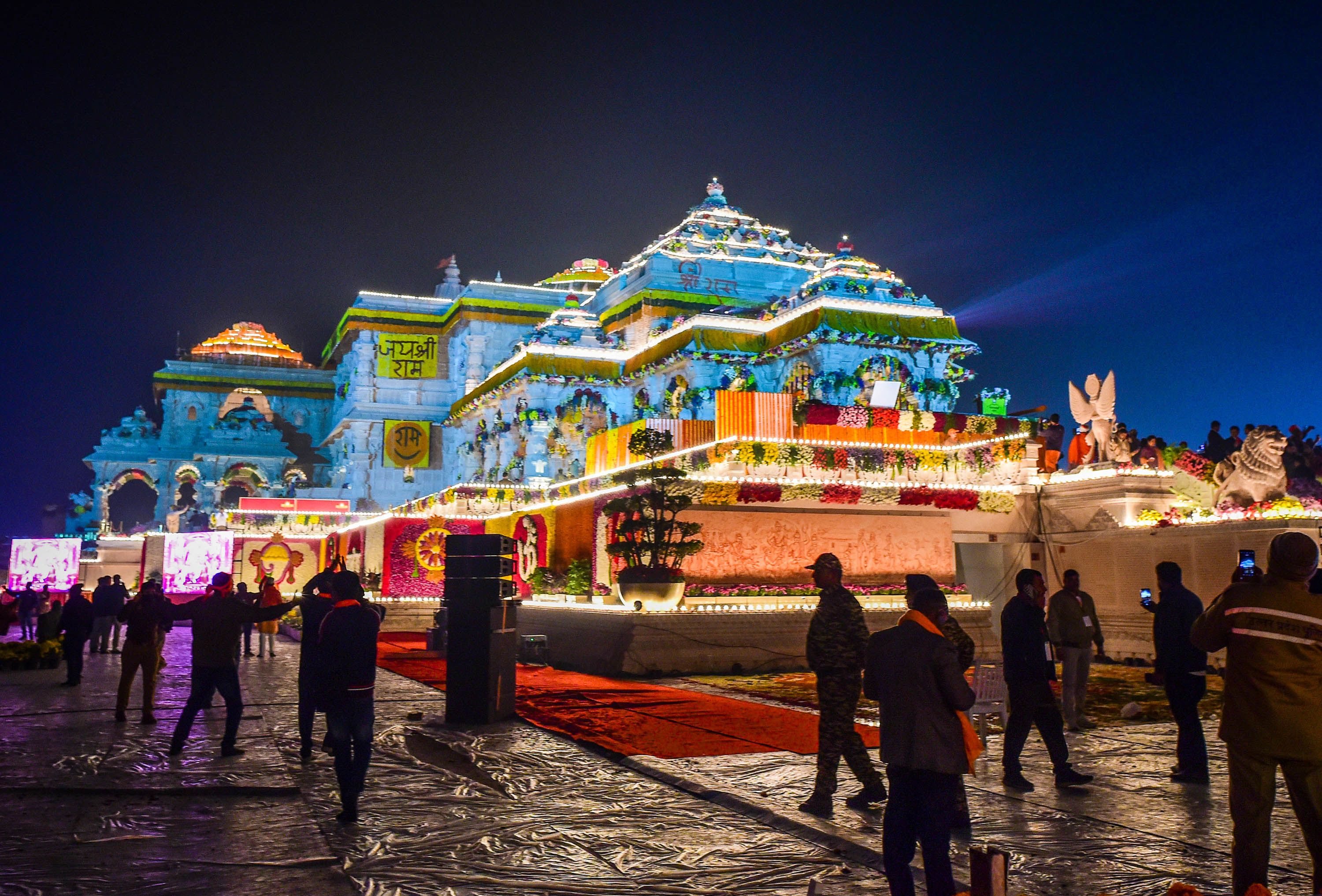
Evening darshan at Shri Ram Janmabhoomi Temple and Saryu River Aarti.
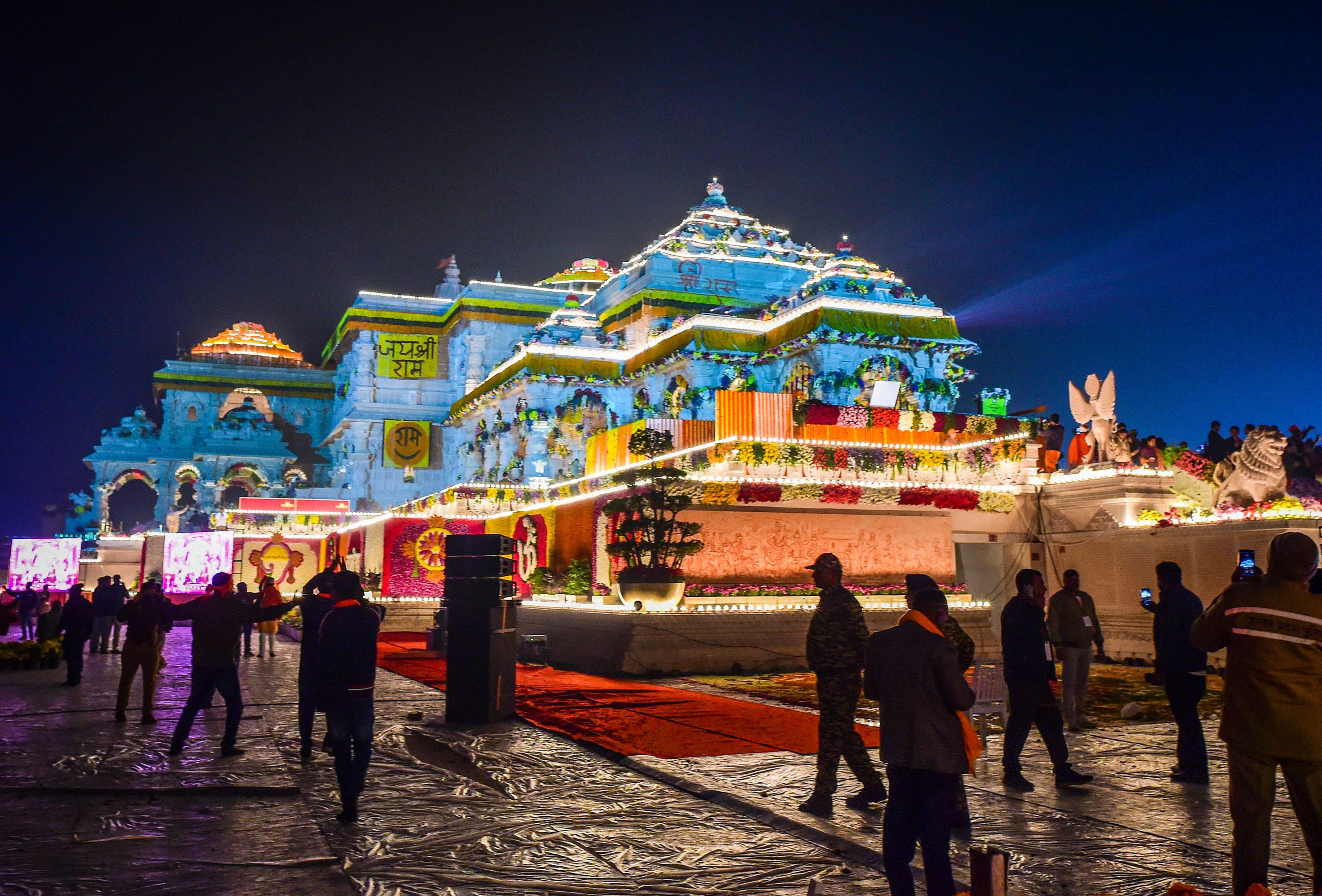
Shri Ram Janmabhoomi Temple: Shri Ram Janmabhoomi Temple marks the sacred birthplace of Lord Rama, symbolizing faith, devotion, and cultural heritage, attracting millions of devotees and pilgrims from across India.
Saryu River Aarti (evening): Evening Saryu River Aarti is a serene spiritual ritual with lamps, chants, and prayers, creating a divine atmosphere that reflects devotion, peace, and Ayodhya’s sacred essence.
Overnight: Ayodhya
DAY 4
Ayodhya → Varanasi
Morning after breakfast enjoy sightseeing in Ayodhya:
Hanuman Garhi: Hanuman Garhi is a revered hilltop temple dedicated to Lord Hanuman, believed to protect Ayodhya and grant strength, courage, and fulfillment of devotees’ wishes.
Kanak Bhawan: Kanak Bhawan is a beautiful temple dedicated to Lord Rama and Sita, gifted to Sita by Queen Kaikeyi, admired for its ornate architecture and devotional ambiance.
Dashrath Mahal: Dashrath Mahal, believed to be King Dashrath’s palace, is associated with Lord Rama’s childhood, offering devotees a glimpse into Ayodhya’s royal and spiritual past.
Post-lunch, drive back to Varanasi (approx. 220 km / 4–5 hrs).
Evening free for personal rituals, temple visits, or shopping for Banarasi silk.
Optional second visit to Ganga Aarti.
Overnight: Varanasi
DAY 5
Varanasi – Departure
After breakfast, transfer to Varanasi Airport or Railway Station for onward journey.
Tour concludes with blessings and spiritual memories.
Best Time to Visit
- October – March: Most comfortable weather
- April – June: Hot, suitable for pilgrims
- July – September: Monsoon; travel possible with flexibility
Note: Overnight stays are planned in carefully selected heritage hotels (or similar category).