Sacred Peaks & Himalayan Rivers – Char Dham Spiritual & Nature Journey
Snow-fed rivers, ancient shrines, alpine forests and sacred peaks define this transformative journey through Uttarakhand’s Garhwal Himalaya. More than a pilgrimage, this thoughtfully paced Char Dham Yatra blends devotion with Himalayan ecology, village life, wildlife corridors and spiritual heritage. Walking along glacier-born rivers, staying in mountain lodges and visiting timeless temples, travellers experience India’s most sacred landscape as a living, breathing ecosystem.
PROGRAM SUMMARY SNAPSHOT
-
Day 1:
Arrival Dehradun – Rishikesh Overnight Rishikesh
-
Day 2:
Rishikesh – Bakot Overnight Barkot
-
Day 3:
Barkot – Yamunotri – Barkot Overnight Barkot
-
Day 4:
Barkot – Uttarkashi Overnight Uttarkashi
-
Day 5:
Uttarkashi – Gangotri – Uttarkashi Overnight Uttarkashi
-
Day 6:
Uttarkashi – Guptakashi Overnight Guptakashi
-
Day 7:
Guptakashi – Kedarnath Overnight Kedarnath
-
Day 8:
Kedarnath – Guptakashi Overnight Guptakashi
-
Day 9:
Guptakashi – Badrinath Overnight Badrinath
-
Day 10:
Badrinath – Rudraprayag Overnight Rudraprayag
-
Day 11:
Rudraprayag – Dehradun Airport Departure
Key Highlights
Sacred river origins of Yamuna, Ganga, Mandakini & Alaknanda
Trek to Yamunotri Temple through alpine forests
Glacier landscapes at Gangotri
Spiritual night at Kedarnath in the high Himalaya
Hot springs at Tapt Kund, Badrinath
Wildlife corridors of Govind Pashu Vihar & Kedarnath Sanctuary
Himalayan birdlife, river valleys & old mountain villages
Temples, ashrams, monasteries & meditation spaces
Slow travel with nature walks and cultural interactions
Detailed Itinerary
Click each day to expand details.
DAY 1
Arrival Dehradun – Rishikesh
Arrive at Dehradun Airport and drive to Rishikesh (approx. 20 Kms / 35 to 45 min).
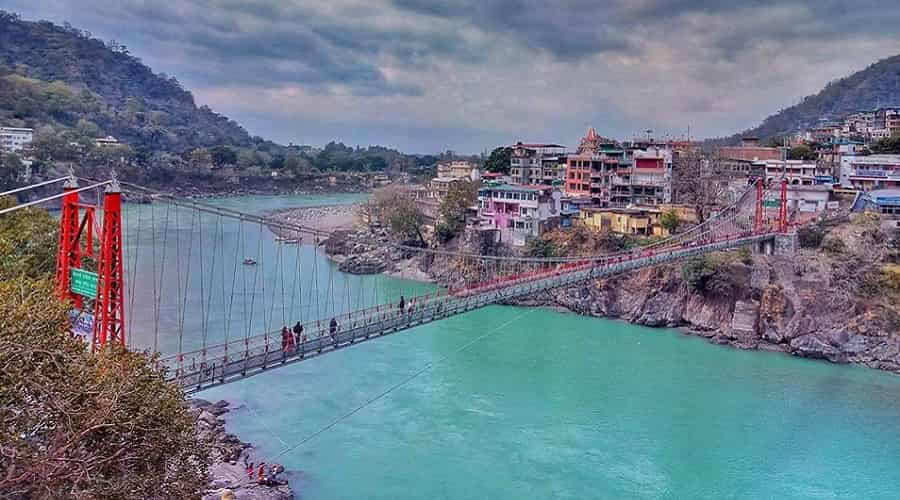
Situated in the foothills of the Himalayas along the emerald waters of the sacred Ganges River, Rishikesh is widely celebrated as the Yoga Capital of the World. Renowned for its tranquil environment, the town draws spiritual seekers, wellness enthusiasts, and adventure lovers from across the globe. Iconic suspension bridges like Ram Jhula and Laxman Jhula connect bustling markets with peaceful ashrams where daily meditation and traditional yoga practice thrive. As twilight falls, the famous Ganga Aarti at Triveni Ghat fills the air with rhythmic chants, glowing oil lamps, and deep spiritual reverence. Beyond its sacred aura, Rishikesh also serves as a vibrant gateway to outdoor thrills, offering world-class white-water rafting, cliff jumping, and scenic trek trails.
Later in the afternoon visit Parmarth Niketan ashram and witness the evening Ganga Aarti.
Situated right on the banks of the Ganges, Parmarth Niketan is a renowned spiritual sanctuary that has welcomed seekers from across the globe for decades. Under the guidance of spiritual leaders, the ashram offers authentic teachings in traditional yoga, meditation, Vedic philosophy, and ancient healing arts like Ayurveda. Every evening, residents and visitors gather on its expansive riverfront ghat to participate in the soulful Ganga Aarti, accompanied by soulful bhajans, Vedic chanting, and the rhythmic burning of sacred fire offerings. It remains an essential destination for anyone looking to experience authentic spiritual immersion and inner peace.
Overnight: Rishikesh
DAY 2
Rishikesh to Barkot
Drive along forested mountain roads via Mussoorie to Barkot (approx. 166 kms / 5–6 hrs) into the Garhwal Himalaya, entering the valley of the Yamuna. This sacred river is believed to be the sister of Yama, the god of death, and bathing in her waters is said to free devotees from fear and suffering. Forested hills and mountain air accompany the journey.
The journey from Rishikesh to Barkot via Mussoorie offers a captivating transition from the plains to the tranquil high-altitude valleys of the Garhwal Himalayas. Leaving behind the Ganges riverbanks, the road winds upward into misty pine forests to reach Mussoorie, the "Queen of the Hills," offering sweeping views of the Doon Valley. Passing through scenic spots like Kempti Falls, the route gently descends toward Nainbagh and Damta, following the turquoise waters of the Yamuna River. Traversing lush green terraced hillsides, quiet hamlets, and dramatic mountain contours, this scenic drive acts as a vital pathway toward Yamunotri. The voyage comfortably concludes in Barkot, a peaceful Himalayan town surrounded by apple orchards and snow-capped peaks.
Upon arrival in Barkot check in at your hotel / camp.
Situated gracefully along the banks of the Yamuna River, Barkot is a picturesque mountain town in Uttarakhand that serves as a vital base camp and resting stop for pilgrims embarking on the Yamunotri Dham Yatra. Surrounded by towering pine forests, lush apple orchards, and terraced fields, the town offers a tranquil and cooler climate compared to the plains below. It provides travelers with sweeping, majestic views of snow-clad Himalayan peaks, including the imposing Bandarpoonch massif. While its primary role is accommodating transit pilgrims, Barkot’s serene ambiance, crisp mountain air, and proximity to nature trails make it a peaceful and refreshing halting point for anyone exploring the rugged Garhwal Himalayas.
Overnight: Barkot
DAY 3
Barkot – Yamunotri – Barkot
Drive to Janki Chatti (approx. 50 kms / 2 to 3 hrs) and trek 6 km to Yamunotri Temple.
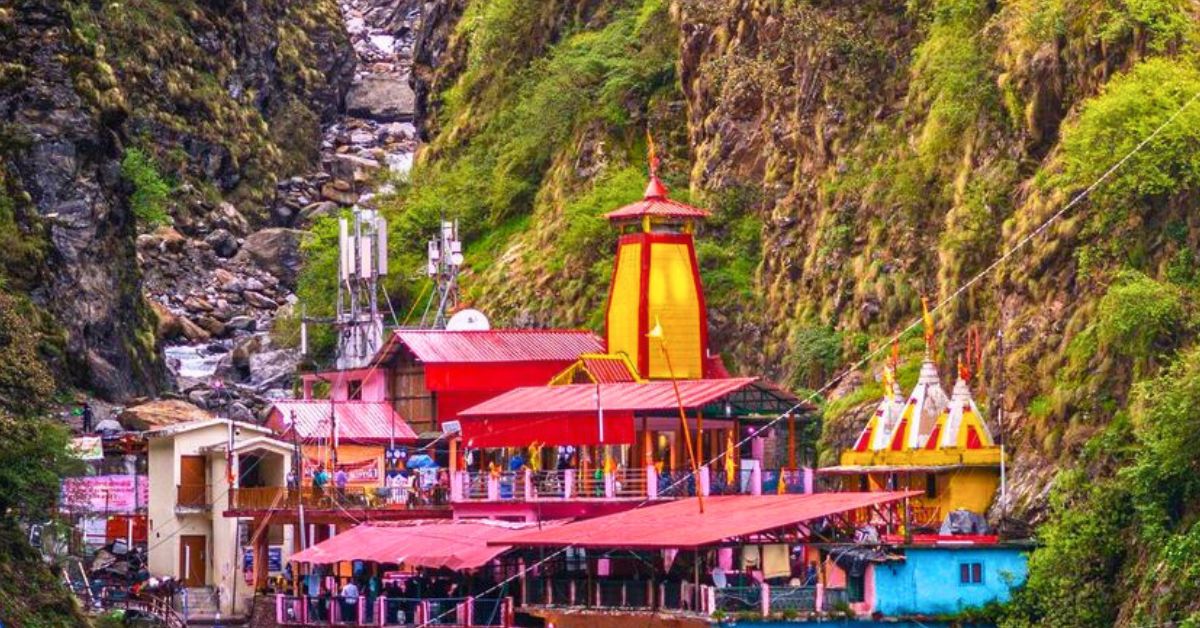
According to legend, the goddess Yamuna blesses devotees with protection from untimely death. Hot springs at Surya Kund and the snow-fed river flowing beside the temple create a powerful union of fire, water and divine energy.
Nestled amid the towering peaks of the Garhwal Himalayas, Yamunotri is the westernmost shrine of the holy Chota Char Dham Yatra and the sacred source of the Yamuna River. Pilgrims undertake a rigorous trek along steep mountain paths to reach the holy shrine, where devotees cook rice in natural hot sulfur springs like Surya Kund to offer as prasad. Surrounded by dramatic glaciers, cascading waterfalls, and crisp alpine air, the temple exudes a deeply spiritual and humbling atmosphere. The journey to Yamunotri is not merely a religious expedition, but an immersive encounter with the raw, untamed majesty of India's high-altitude mountain wilderness.
Visit Surya Kund hot spring and Divya Shila.
Surya Kund is a prominent natural geothermal wonder located right next to the main Yamunotri temple. This bubbling hot sulfur spring maintains a remarkably high temperature throughout the freezing Himalayan weather. Devotees and pilgrims traditionally use the boiling water of Surya Kund to cook raw rice and potatoes tied in cloth bags, which is then offered as sacred prasad at the shrine. Surrounded by dramatic mountain cliffs and the crisp mist of the valley, the spring offers both practical utility for pilgrims and a fascinating scientific spectacle, adding a unique element of divine wonder to the high-altitude Yamunotri trek.
Divya Shila is a revered rock slab situated near the Surya Kund hot springs, right before the final approach to the Yamunotri temple. According to local religious customs and tradition, pilgrims are required to offer prayers at this pillar before entering the main shrine to pay their respects to the goddess Yamuna. The rock holds immense spiritual significance in the belief that sincere worship here cleanses the soul and brings protection during the rugged mountain pilgrimage. Surrounded by the roaring sound of nearby streams and towering mountain slopes, Divya Shila provides a deeply solemn and traditional stop for every traveler visiting the sacred source of the Yamuna River.
Return to Barkot by evening.
Overnight: Barkot
DAY 4
Barkot – Uttarkashi
Drive through deep valleys and river gorges to Uttarkashi (approx. 80 kms / 2.5 to 3 hrs).
The journey from Barkot to Uttarkashi connects two prominent river valleys in the Garhwal Himalayas, offering travelers an enchanting scenic drive through pristine mountain landscapes. Departing from the serene shores of the Yamuna River, the road winds uphill through dense pine forests and terraced agricultural slopes toward Radhitop, a high point providing breathtaking views of surrounding peaks. The route then gradually descends into the magnificent Bhagirathi Valley, leading into Uttarkashi, an ancient town frequently referred to as the "Kashi of the North." Flanked by majestic mountains and dotted with historic temples like the Vishwanath Mandir, this smooth passage seamlessly bridges the spiritual pathways of Yamunotri and Gangotri while showcasing timeless Himalayan charm.
Situated gracefully along the banks of the Bhagirathi River, Uttarkashi is a picturesque and spiritually significant town in Uttarakhand that mirrors the holy aura of Kashi. Surrounded by towering pine forests and rugged Himalayan peaks, it serves as an important base camp for pilgrims and mountaineers heading towards Gangotri and Yamunotri. The town is famous for the ancient Kashi Vishwanath Temple, numerous yoga ashrams, and the Nehru Institute of Mountaineering, which trains elite climbers. Offering a harmonious blend of spirituality, adventure, and serene mountain vistas, Uttarkashi provides a peaceful and deeply rejuvenating environment for travelers exploring the Garhwal Himalayas.
Visit Vishwanath Temple and Bhagirathi river ghats.
The Kashi Vishwanath Temple in Uttarkashi sits gracefully along the upper reaches of the Bhagirathi River. Revered as an essential stop along the Char Dham Yatra route toward Gangotri, the ancient temple complex houses a self-manifested Shivling uniquely tilted toward the south. Directly opposite stands the Shakti Temple, famous for its massive six-meter-tall divine trident (Trishul). Devotees gather at the adjacent Bhagirathi river ghats—such as Manikarnika Ghat—to take ritual holy dips, perform ancestral rites, and attend tranquil morning and evening aarti ceremonies. Surrounded by serene Himalayan peaks, the ghats offer a peaceful, meditative atmosphere where the sound of flowing glacial waters harmonizes with chanting and chiming temple bells.
Overnight: Uttarkashi
DAY 5
Uttarkashi – Gangotri – Uttarkashi
Early drive to Gangotri Temple (approx. 100 km / 3 to 3.5 hours one way).
Walk along Bhagirathi River and visit glacier viewpoints.
Embarking on a same-day round-trip excursion from Uttarkashi to Gangotri Dham spans approximately 100 kilometers one way through rugged Himalayan terrain along the roaring Bhagirathi River. Travelers typically start early around 5:00 AM to navigate winding mountain roads, passing picturesque hamlets like Harsil, famous for its apple orchards and pine forests. Upon reaching Gangotri (3,100 meters), pilgrims take a holy dip in the icy glacial waters, visit the sacred shrine dedicated to Goddess Ganga, and participate in rituals or midday darshan. After spending a few peaceful hours amidst the majestic peaks, visitors depart by mid-afternoon to return comfortably to Uttarkashi before dusk, ensuring a spiritually fulfilling and visually stunning mountain journey.
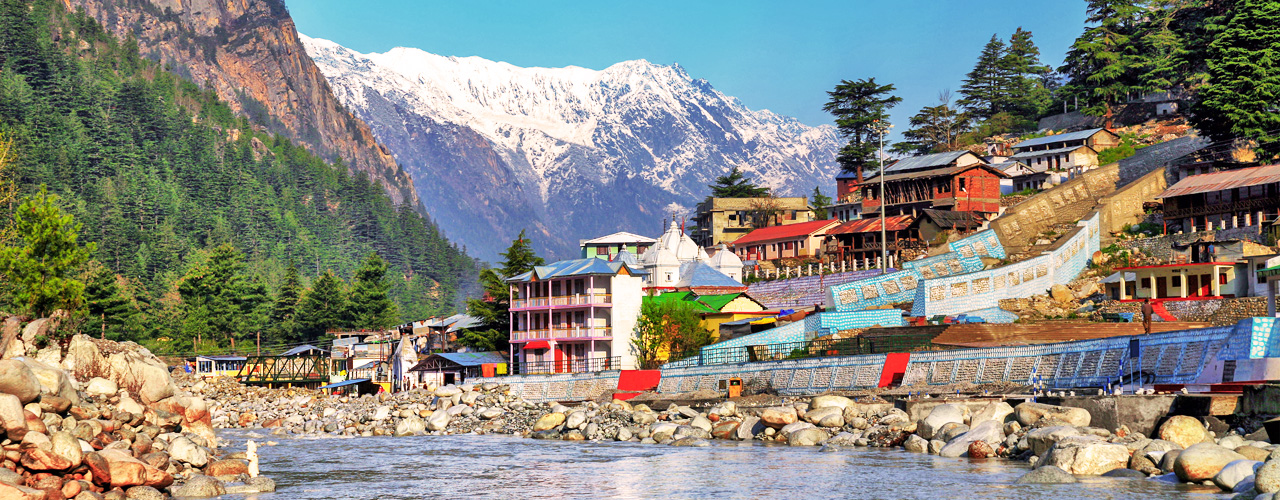
Situated along the roaring banks of the Bhagirathi River, Gangotri Dham is one of the most sacred pilgrimage destinations in India, marking the origin of the holy River Ganga. According to Hindu mythology, this is where goddess Ganga descended to earth to absolve humanity's sins. The striking 18th-century temple stands proudly against a backdrop of snow-capped Himalayan peaks and pine forests, drawing millions of devoted pilgrims every year. Visitors can witness the deeply moving evening aarti by the riverbanks, feeling the chill of the mountain air and the profound spiritual energy. Gangotri serves as a gateway for high-altitude treks toward Gaumukh, blending intense devotion with awe-inspiring natural splendor.
Return to Uttarkashi by evening.
Overnight: Uttarkashi
DAY 6
Uttarkashi – Guptakashi
Long but scenic drive across mountain passes and river valleys (approx. 250 kms / 7 to 8 hrs).
Cross Tehri, Rudraprayag & Mandakini River.
The road journey from Uttarkashi to Guptakashi spans roughly 250 kilometers and typically takes 7 to 9 hours depending on mountain traffic and road conditions. Commencing early in the morning is essential to comfortably navigate the winding terrain via Tehri and Rudraprayag, where the Alaknanda and Mandakini rivers meet. Along the route, travelers pass through picturesque towns like Srinagar and Devprayag, enjoying stunning vistas of terraced farms, deep gorges, and rushing rivers. Because high-altitude Himalayan routes can experience sudden weather disruptions or heavy traffic during peak pilgrimage seasons, maintaining a steady pace, checking road updates in advance, and reaching Guptakashi before sunset ensures a safe, smooth, and memorable transition toward the Kedarnath sector.
Upon arrival check in at your hotel in Guptakashi.
Perched at an elevation along the Mandakini river valley, Guptakashi is a picturesque town that plays a crucial role for pilgrims traveling to Kedarnath Dham. The town derives its name from mythological legends suggesting that Lord Shiva hid here from the Pandavas before revealing himself at Kedarnath. Guptakashi is home to revered ancient shrines such as the Kashi Vishwanath and Ardhnarishwar temples, characterized by exquisite traditional architecture. Surrounded by lush green forests, terraced fields, and stunning views of the Chaukhamba peaks, it serves as a major transit and helipad hub, offering a peaceful atmosphere and comfortable accommodations for travelers.
Overnight: Guptakashi
DAY 7
Guptakashi – Kedarnath
Early morning drive to Sonprayag (approx. 30 kms / 1 to 2 hrs drive), from Sonprayag to Gaurikund by Jeep (5 kms / 20 to 30 minutes) & trek from Gaurikund to Kedarnath (approx. 16 kms / 6 to 8 hrs) (or helicopter the easiest way) to Kedarnath.
The 16 km steep uphill journey from Gaurikund to Kedarnath follows the picturesque Mandakini River. Devotees should start early between 4:00 AM and 5:00 AM to comfortably reach before nightfall, passing key halt points like Jungle Chatti, Bheembali, and Lincholi. Upon reaching, pilgrims can attend morning Maha Abhishek from 4:00 AM to 6:00 AM, general darshan until 3:00 PM, or evening Sandhya Aarti from 6:00 PM to 7:30 PM. For quick access, VIP fast-track darshan and special puja bookings can be secured via the official Shri Badrinath-Kedarnath Temple Committee (BKTC) website or at their offline counter in Kedarnath by submitting a valid Char Dham Yatra registration pass.
Visit Kedarnath Temple, surrounded by snow peaks.
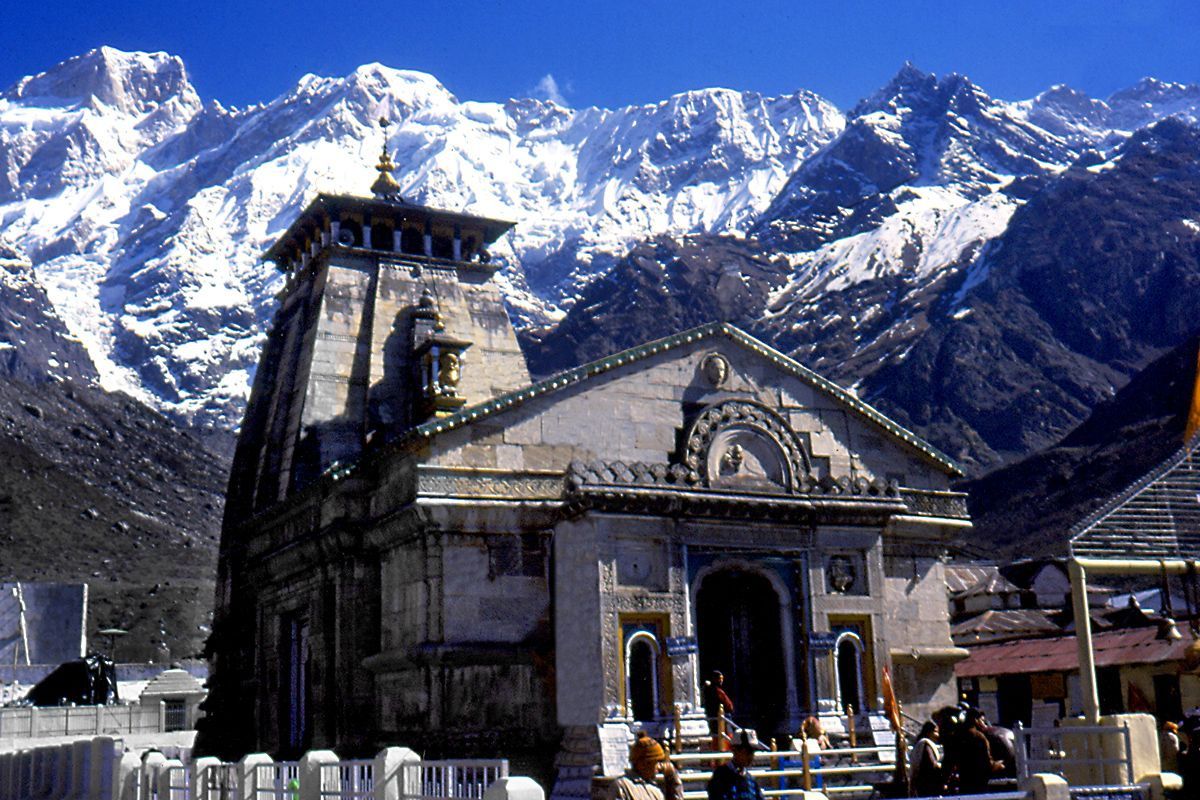
Perched at a breathtaking altitude in the Garhwal Himalayas, Kedarnath Dham is one of the twelve sacred Jyotirlingas of Lord Shiva and a pinnacle of the Char Dham pilgrimage. The magnificent historic stone temple stands majestically against the backdrop of the towering Kedarnath peak and glacial moraines, creating an ethereal landscape. Reaching the shrine requires a challenging uphill trek or helicopter ride through dramatic mountain terrain along the Mandakini River. Surrounded by crisp, freezing winds and snow-dusted summits, visiting Kedarnath offers pilgrims and trekkers an intense, deeply spiritual experience that merges physical endurance with profound divine grace in the high Himalayas.
Evening aarti and quiet time in the high Himalaya.
Overnight: Kedarnath
DAY 8
Kedarnath – Guptakashi
After morning prayers at Kedarnath, descend through alpine meadows and river valleys back to Guptakashi. The retreat from the high Himalaya allows time for reflection, as the powerful silence and spiritual energy of Shiva’s abode remains deeply imprinted in the heart and mind.
The downward trek from Kedarnath to Gaurikund spans 16 km along the same mountain route, requiring careful pacing to manage steep continuous drops. To ensure a safe arrival at Gaurikund in broad daylight and avoid sudden afternoon rains or slippery tracks, pilgrims should ideally start their journey between 5:00 AM and 6:00 AM after morning temple darshan. The overall descent usually takes about 5 to 7 hours depending on physical fitness. Taking structured short rest breaks of 10 to 15 minutes at Lincholi for a light breakfast, Bheembali for tea and hydration, and Jungle Chatti for a brief rest helps maintain energy levels and reduces stress on the joints throughout the descent.
Return trek to Gaurikund and then Jeep to Sonprayag & later drive to Guptakashi.
Overnight: Guptakashi
DAY 9
Guptakashi – Badrinath
Drive through Chopta / Joshimath region into Alaknanda Valley (approx. 195 kms / 6 to 7 hrs).
The journey from Guptakashi to Badrinath takes travelers on a captivating route through the heart of the Garhwal Himalayas. Moving eastbound from the Mandakini River basin, the trail winds upward into the dense forests and rolling alpine meadows of Chopta, fondly known as the Mini Switzerland of Uttarakhand. The path then descends toward Gopeshwar and leads into Joshimath, an ancient spiritual hub overlooking deep river gorges. Beyond Joshimath, the road traces the powerful Alaknanda Valley, flanked by soaring granite cliffs and snow-dusted peaks. Navigating dramatic mountain passes and serene river stretches, this scenic passage seamlessly combines rugged Himalayan vistas, alpine flora, and profound spirituality, culminating at the holy shrine of Lord Vishnu in Badrinath.
Evening visit to Badrinath Temple.
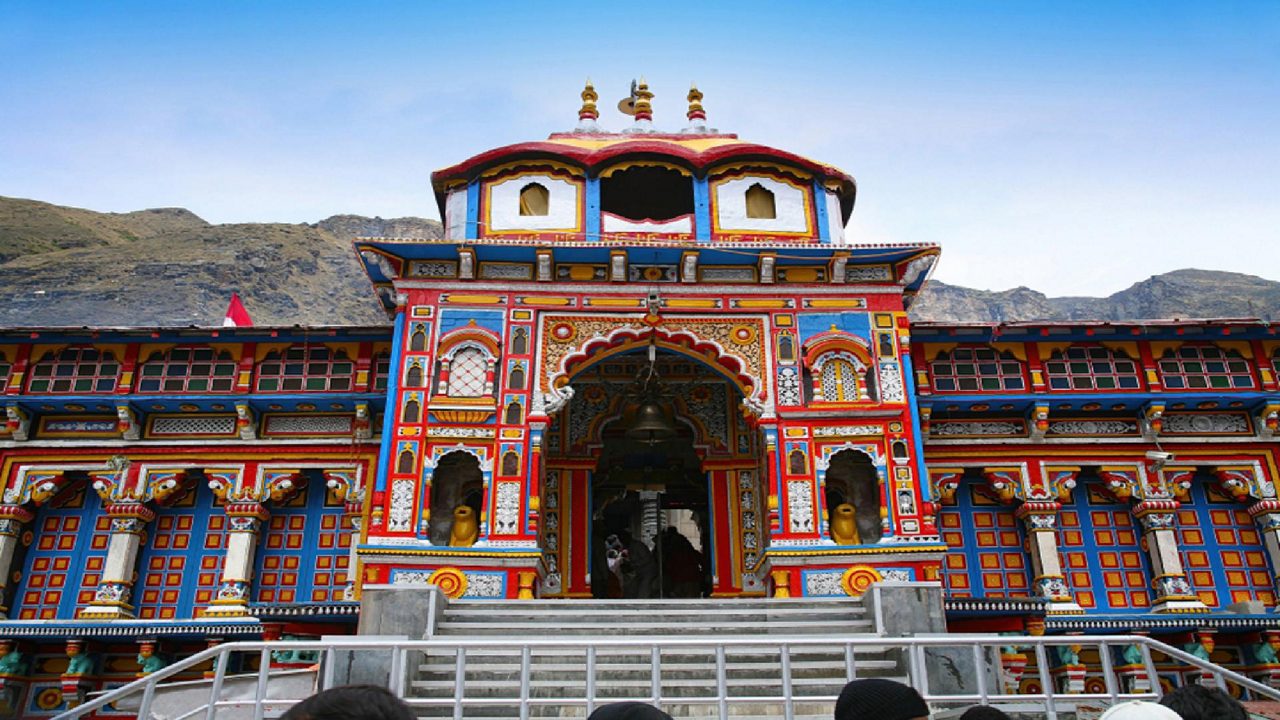
Located majestically along the banks of the Alaknanda River, Badrinath Dham is one of the holiest shrines dedicated to Lord Vishnu and stands as a crown jewel of the Char Dham Yatra. Framed by the towering Nar and Narayan mountain ranges and the majestic Neelkanth peak, the temple is instantly recognizable by its brilliantly painted, colorful facade. Pilgrims gather here to offer prayers and take a sacred dip in the Tapt Kund hot sulfur springs before entering the inner sanctum. Blending rich mythic heritage, architectural beauty, and a serene high-altitude valley setting, Badrinath provides a deeply tranquil and spiritually fulfilling conclusion to the Himalayan pilgrimage circuit.
Overnight: Badrinath
DAY 10
Badrinath – Rudraprayag
Morning dip at Tapt Kund and darshan followed by visit to Mana Village.
Tapt Kund is a famous natural thermal hot water spring located on the riverbank of the Alaknanda, directly beneath the majestic Badrinath temple. Believed to possess medicinal and divine properties, it is customary for pilgrims to take a holy dip in the warm waters of Tapt Kund to cleanse their bodies and minds before entering the inner sanctum of the main temple. Even amidst the freezing temperatures of the high-altitude Himalayas, the spring maintains a constant, comforting heat. Surrounded by steam rising against the backdrop of painted temple walls and snowy mountain peaks, Tapt Kund serves as a deeply therapeutic and spiritually vital prelude to darshan.
Located just a few kilometers past Badrinath, Mana is celebrated as the last village on the Indian side of the Indo-Tibet border. Steeped in mythology, the village is believed to be the spot where the Pandavas passed through on their final journey to heaven, and where the sage Vyas composed the Mahabharata inside the famous Vyas Gufa. Visitors can explore traditional stone-and-wood houses, taste local herbal tea, and witness ancient caves like Ganesha Gufa and the mythical Bhupal Bridge across the Saraswati River. Blending rich epic history, rugged borderland geography, and warm indigenous hospitality, Mana offers an extraordinarily unique cultural excursion.
Drive through Vishnuprayag & Karnaprayag to Rudraprayag (approx. 150 kms / 4.5 to 5 hrs).
Begin the descent from Badrinath, stopping at sacred river confluences. Rudraprayag marks the meeting of the Alaknanda and Mandakini rivers and is dedicated to Lord Shiva as Rudra. Such river sangams are believed to amplify spiritual energy, making this a deeply auspicious resting place.
Named after Lord Shiva in his Rudra avatar, Rudraprayag is a historically and spiritually vital town located at the breathtaking confluence of the Alaknanda and Mandakini rivers. The striking visual contrast of the two rushing river currents blending together creates a mesmerizing spectacle for travelers passing through the Garhwal Himalayas. Serving as a crucial junction on the routes to both Kedarnath and Badrinath dhams, the town is steeped in Hindu mythology and is believed to be the site where Lord Shiva played his veena. Surrounded by steep, rugged mountains and lush valleys, Rudraprayag offers a serene stopover filled with divine energy and natural beauty.
Overnight: Rudraprayag
DAY 11
Rudraprayag – Dehradun Airport
Drive via Rishikesh to Dehradun Airport (approx. 155 kms / 4 to 5 hrs).
Departure with memories of rivers, temples and mountains.
Return to Dehradun through river valleys, forests and mountain towns. As the Himalaya slowly fade behind you, the journey through the four sacred abodes leaves a lasting sense of purification, balance and inner peace — just as the ancient sages envisioned when these pilgrim paths were created.
Best Time to Travel
May–June & September–October
(Avoid monsoon due to landslides and temple closures)
Note: Overnight stays are planned in carefully selected heritage hotels (or similar category).