Sacred Peaks & Himalayan Rivers – Kedarnath & Badrinath Spiritual Journey
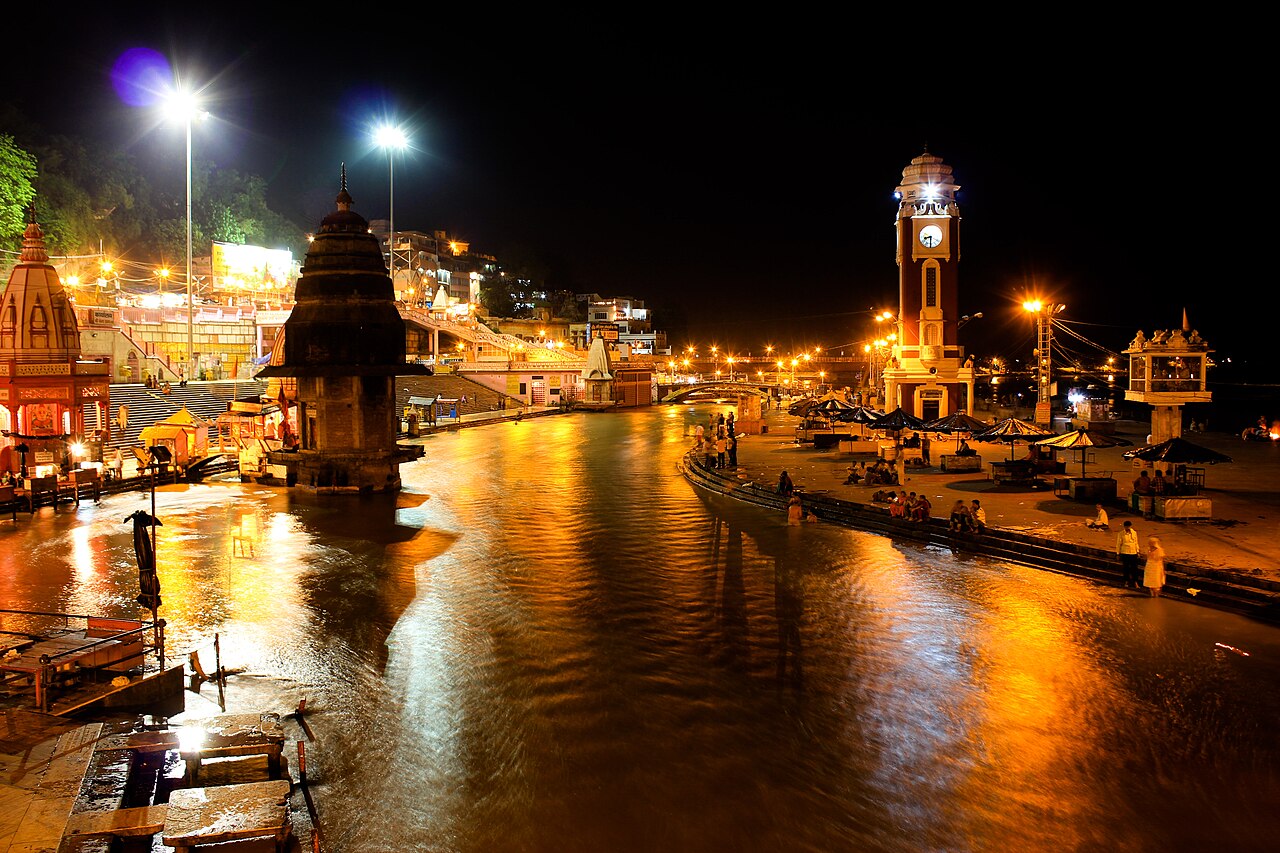
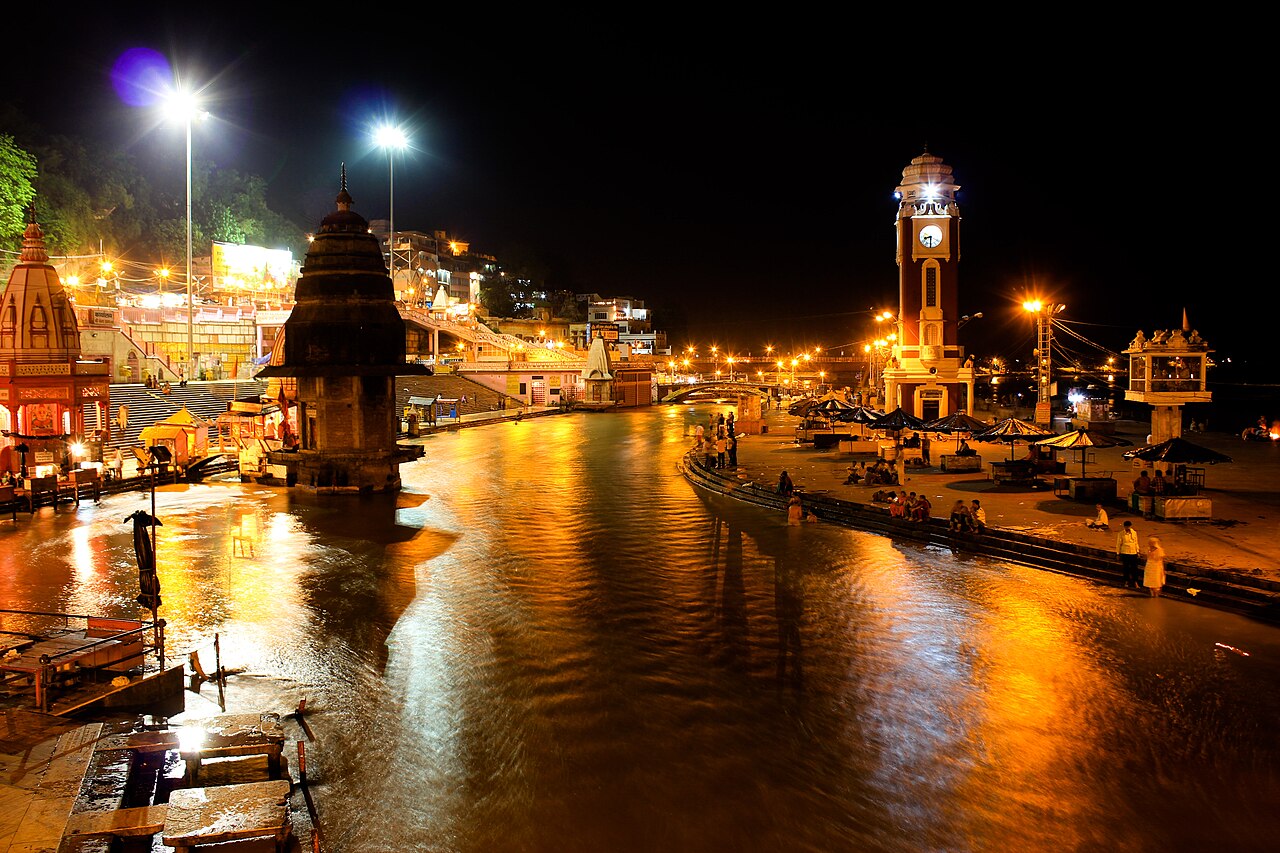
This focused Himalayan pilgrimage takes travellers from the holy Ganga ghats of Haridwar to the lofty shrines of Kedarnath and Badrinath. Moving through deep river valleys, forested mountains and sacred confluences, the journey blends devotion with the natural beauty of Uttarakhand’s Garhwal Himalaya.
PROGRAM SUMMARY SNAPSHOT
-
Day 1:
Arrival Haridwar – Guptakashi Overnight Guptakashi
-
Day 2:
Guptakashi – Kedarnath Overnight Kedarnath
-
Day 3:
Kedarnath – Guptakashi Overnight Guptakashi
-
Day 4:
Guptakashi – Badrinath Overnight Badrinath
-
Day 5:
Badrinath – Rudraprayag Overnight Rudraprayag
-
Day 6:
Rudraprayag – Haridwar Rail Station Departure
Key Highlights
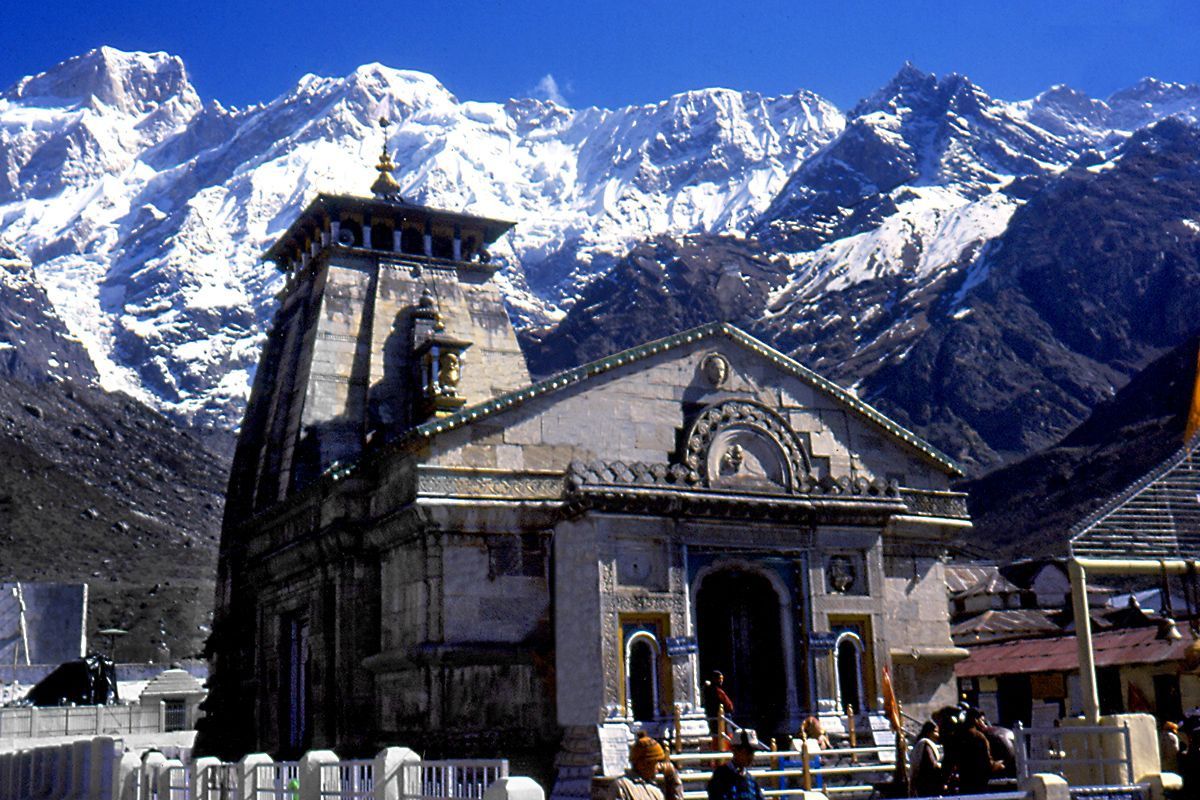
Darshan at Kedarnath Jyotirlinga, one of the 12 most sacred Shiva shrines in the world
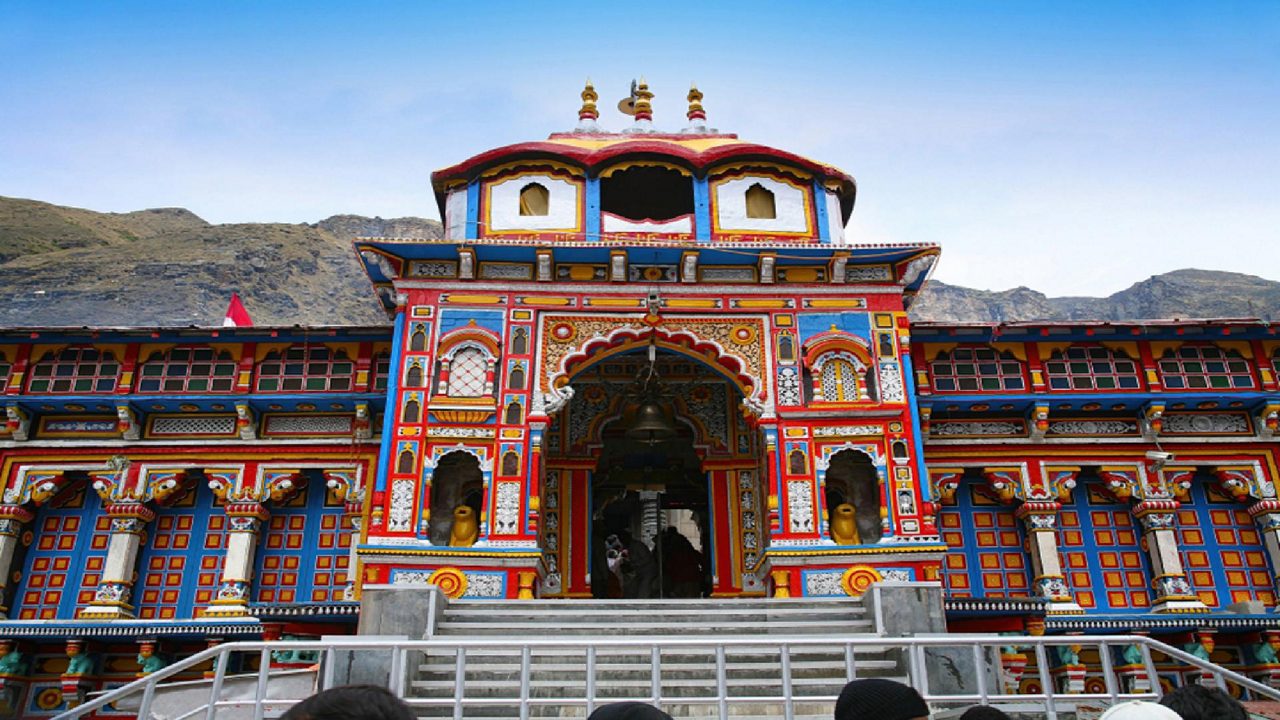
Visit to Badrinath Temple, the holiest abode of Lord Vishnu in the Himalaya
Walk through the spectacular Mandakini Valley and high-altitude alpine landscapes
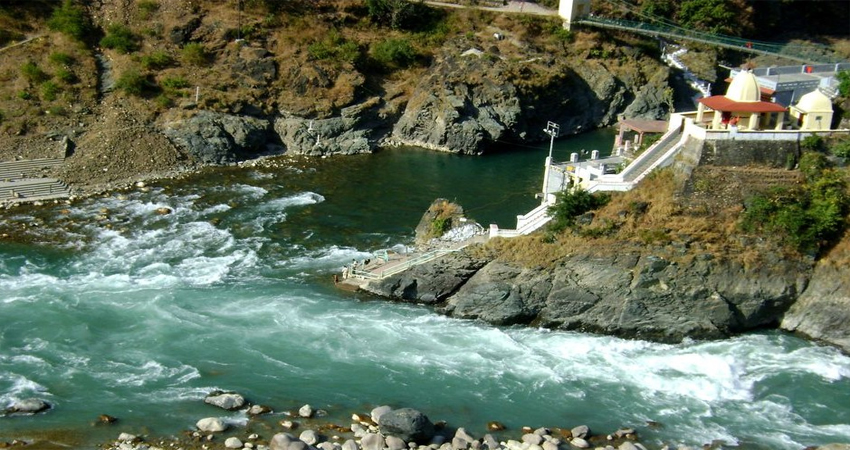
Sacred Ganga, Alaknanda & Mandakini river corridors
Bath at the healing Tapt Kund hot springs at Badrinath
Experience powerful Himalayan evening aarti at Kedarnath
Views of snow-capped peaks, glaciers and ancient pilgrimage trails
Drive through the holy Panch Prayag (sacred river confluences) region
Spiritual energy of Guptakashi, the hidden land of Lord Shiva
Balanced itinerary with comfortable pacing and minimal retracing
Journey through forested valleys, deep gorges and timeless mountain towns
A perfect blend of devotion, nature and Himalayan silence
Detailed Itinerary
Click each day to expand details.
DAY 1
Arrival Haridwar – Guptakashi
Arrive at Haridwar Railway Station and drive to Guptakashi (approx. 205 kms / 6 to 7 hrs), one of Hinduism’s holiest cities on the banks of the Ganga. Drive into the Garhwal Himalaya via Rishikesh, Devprayag and Rudraprayag, following the sacred course of the Alaknanda and Mandakini rivers. The landscape shifts from plains to deep valleys and pine forests as you reach Guptakashi, a tranquil town associated with Lord Shiva.
Overnight: Guptakashi
DAY 2
Guptakashi – Kedarnath
Early morning drive to Sonprayag (approx. 30 kms / 1 to 2 hrs drive), from Sonprayag to Gaurikund by Jeep (5 kms / 20 to 30 minutes) & trek from Gaurikund to Kedarnath (approx. 16 kms / 6 to 8 hrs) (or helicopter the easiest way) to Kedarnath.
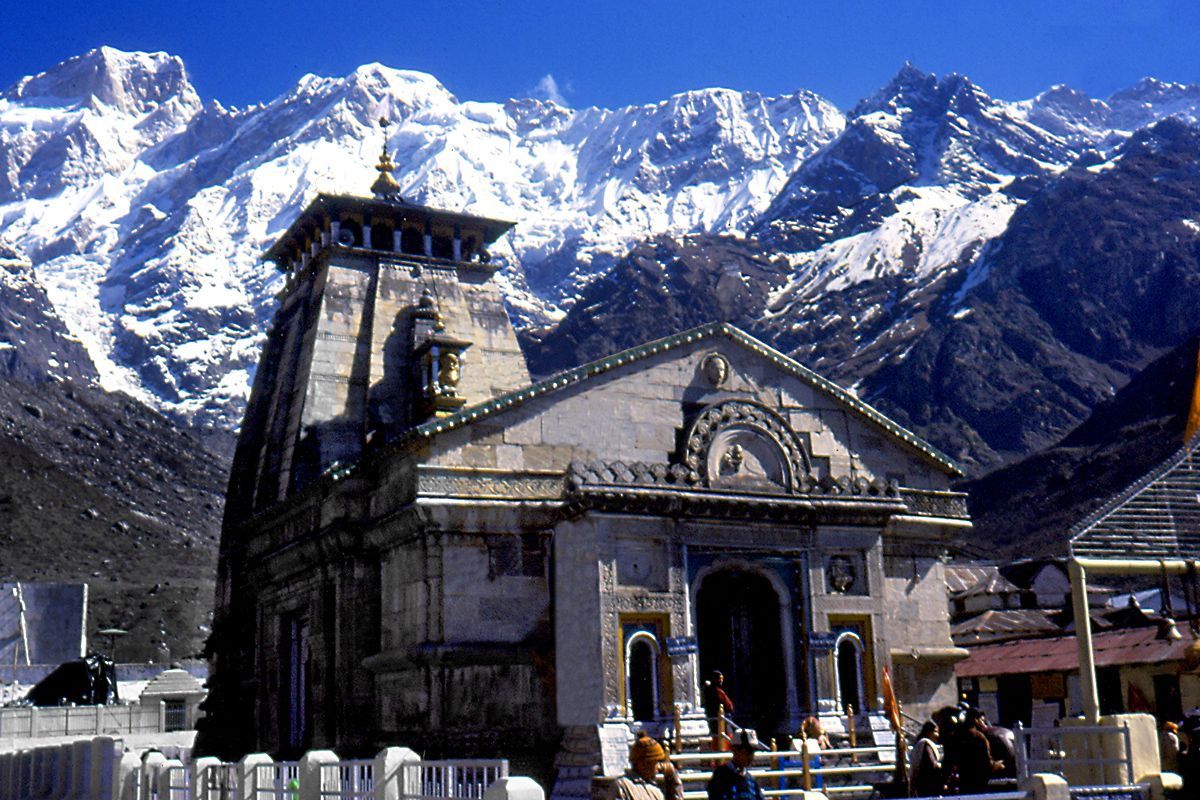
Visit Kedarnath Temple, surrounded by snow peaks.
Evening aarti and quiet time in the high Himalaya.
Journey to Kedarnath, one of the twelve Jyotirlingas of Lord Shiva, set beneath towering snow peaks. Legend says the Pandavas came here seeking forgiveness for their sins, and Shiva appeared in the form of a bull before disappearing into the earth, leaving his sacred presence behind.
Overnight: Kedarnath
DAY 3
Kedarnath – Guptakashi
After morning prayers at Kedarnath, descend through alpine meadows and river valleys back to Guptakashi. The retreat from the high Himalaya allows time for reflection, as the powerful silence and spiritual energy of Shiva’s abode remains deeply imprinted in the heart and mind.
Return trek to Gaurikund and then Jeep to Sonprayag & later drive to Guptakashi.
Overnight: Guptakashi
DAY 4
Guptakashi – Badrinath
Drive through Chopta / Joshimath region into Alaknanda Valley (approx. 195 kms / 6 to 7 hrs).
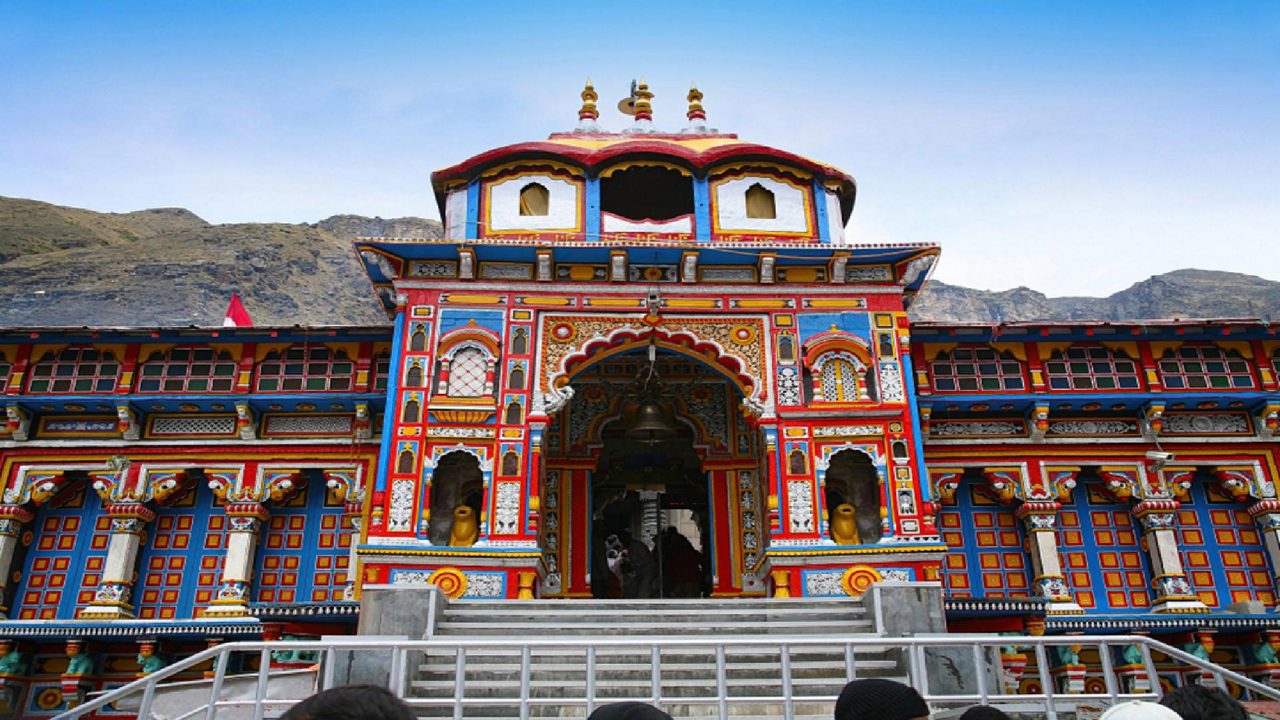
Travel across high mountain passes to Badrinath, the sacred seat of Lord Vishnu. Here, Vishnu is believed to have meditated while Goddess Lakshmi protected him as a Badri tree. Nestled between the Nar and Narayan peaks, the temple stands beside the holy Alaknanda River.
Evening visit to Badrinath Temple.
Overnight: Badrinath
DAY 5
Badrinath – Rudraprayag
Morning dip at Tapt Kund and darshan.
Drive through Vishnuprayag & Karnaprayag to Rudraprayag (approx. 150 kms / 4.5 to 5 hrs).
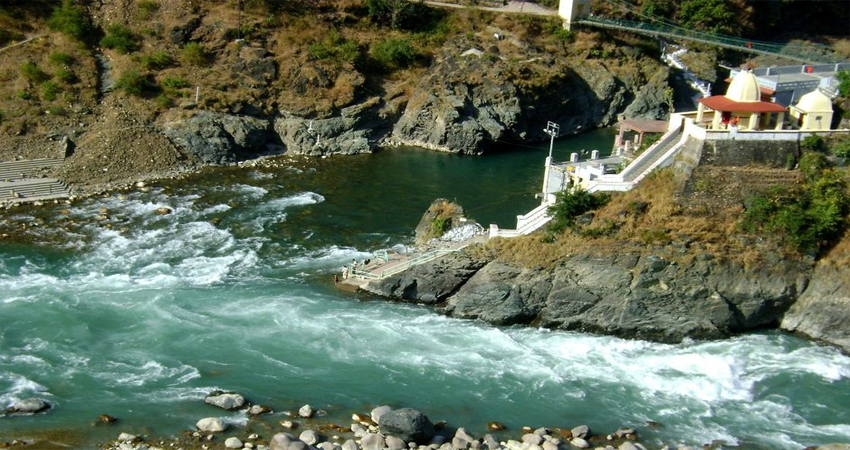
Begin the descent from Badrinath, stopping at sacred river confluences. Rudraprayag marks the meeting of the Alaknanda and Mandakini rivers and is dedicated to Lord Shiva as Rudra. Such river sangams are believed to amplify spiritual energy, making this a deeply auspicious resting place.
Overnight: Rudraprayag
DAY 6
Rudraprayag – Haridwar Rail Station
Morning after breakfast transfer from hotel in Rudraprayag to Haridwar rail station (approx. 160 Kms / 4 to 5 hrs drive)
Drive via Rishikesh along river valleys and forested hills back to Haridwar Railway Station. The Himalaya slowly give way to the plains as the pilgrimage concludes, leaving travellers spiritually renewed and deeply connected to India’s sacred rivers and mountains.
Best Time to Travel
May–June & September–October
(Avoid monsoon due to landslides and temple closures)
Note: Overnight stays are planned in carefully selected heritage hotels (or similar category).