
Upper Assam & Eastern Arunachal Wildlife & Riverine Retreat
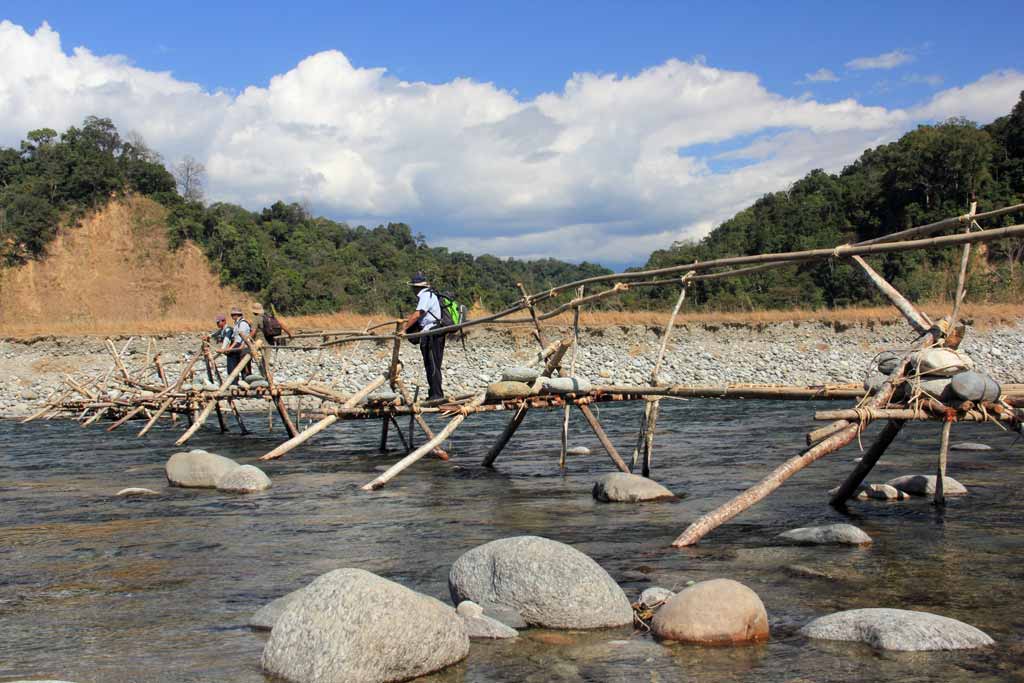
Flowing rivers, misty wetlands, and untouched rainforests define this extraordinary 10-day journey through Upper Assam and Eastern Arunachal Pradesh. Beginning in Jorhat and the river island of Majuli, the cultural soul of the Brahmaputra unfolds through monasteries, villages, and ferry crossings. The route continues into the tea gardens and wetlands of Tinsukia before entering the wild frontiers of Namdapha, one of India’s richest biodiversity reserves. River journeys, birding, primate sightings, and tribal encounters create a deeply immersive experience. Concluding in Dibrugarh, this retreat is designed for travelers who seek raw nature, wildlife exploration, and the serene rhythms of riverine landscapes far from the modern world.

PROGRAM SUMMARY SNAPSHOT
-
Day 1:
Arrival Jorhat | Overnight Jorhat
-
Day 2:
Jorhat – Hollongapar Gibbon Sanctuary | Overnight Jorhat
-
Day 3:
Jorhat – Majuli | Overnight Majuli
-
Day 4:
Majuli | Overnight Majuli
-
Day 5:
Majuli – Tinsukia | Overnight Tinsukia
-
Day 6:
Tinsukia – Maguri Beel & Dibru-Saikhowa National Park | Overnight Tinsukia
-
Day 7:
Tinsukia – Namdapha National Park | Overnight Namdapha
-
Day 8:
Namdapha National Park | Overnight Namdapha
-
Day 9:
Namdapha – Dibrugarh | Overnight Dibrugarh
-
Day 10:
Departure from Dibrugarh Airport
Key Highlights
2 nights in Jorhat with full day at Hollongapar Gibbon Sanctuary
2 nights on Majuli Island, exploring Satras and artisan villages
2 nights in Tinsukia exploring Maguri Beel wetlands & Dibru-Saikhowa National Park
2 nights in Namdapha National Park, Arunachal Pradesh — one of India’s richest biodiversity zones
1 night Dibrugarh riverside leisure stay
Multiple safaris: jeep and boat-based wildlife experiences
Bird watching and primate spotting: gibbons, hornbills, migratory birds
Canoeing and river exploration on Majuli
Village walks and cultural interactions
Scenic drives across tea gardens, wetlands, and Eastern Himalayan foothills
Detailed Itinerary
Click each day to expand details.
DAY 1
Arrival Jorhat
Arrive at Jorhat Airport and transfer to your hotel.
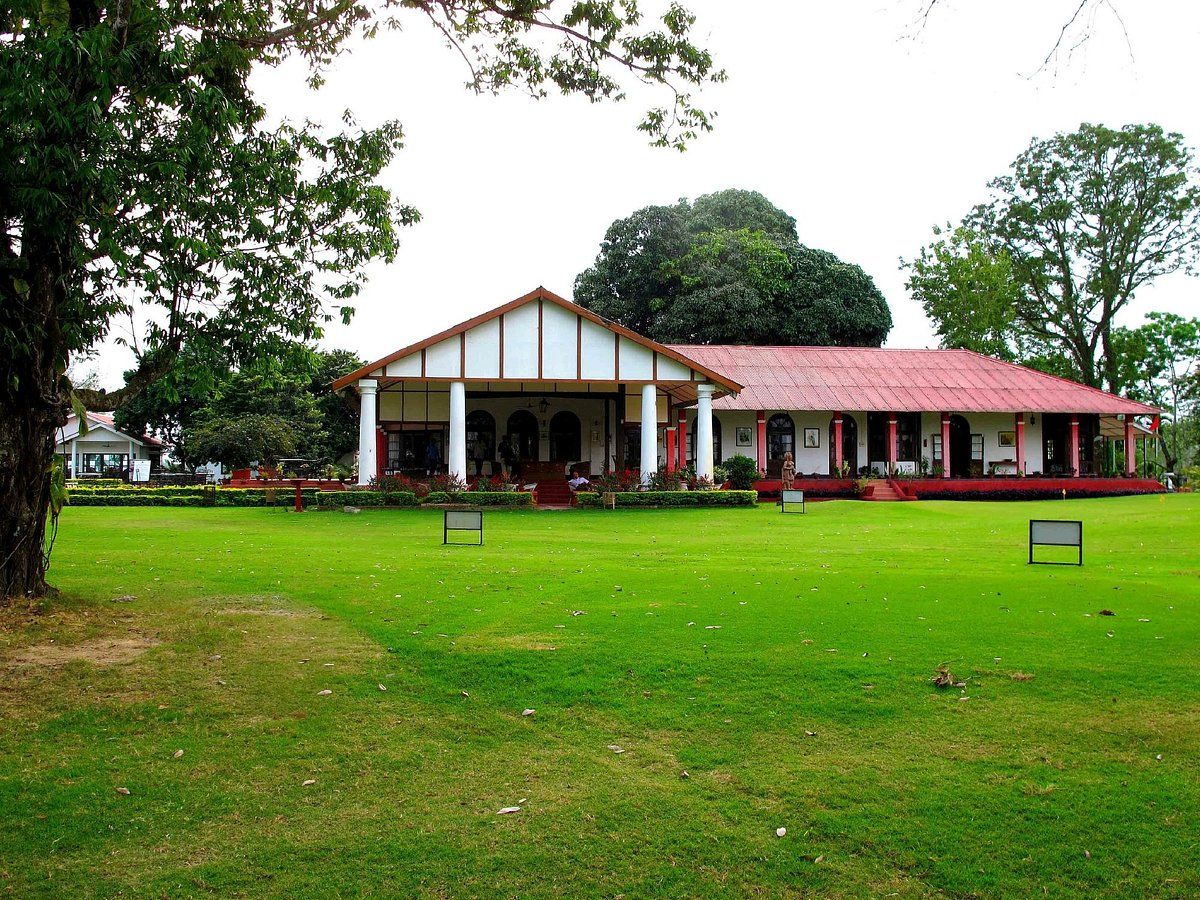
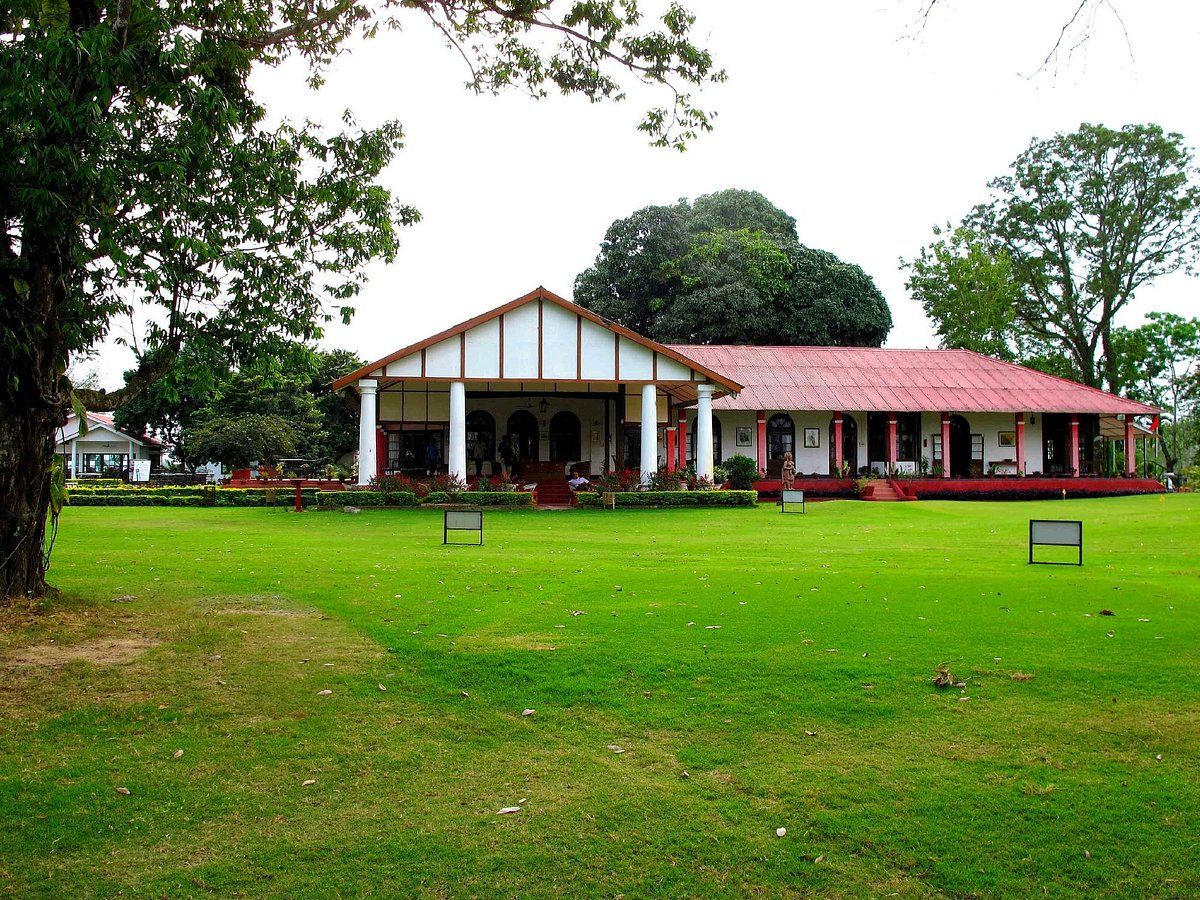
Jorhat holds a revered place in Assam’s history as the final capital of the Ahom Kingdom, serving as a beacon of heritage, commerce, and culture. Earning its reputation as the "Tea Capital of the World," Jorhat played an instrumental role in shaping the region’s tea industry, home to the historic Tocklai Tea Research Institute, one of the oldest tea research stations globally. Beyond its sprawling emerald estates and colonial-era bungalows, the town remains a vibrant sanctuary of Assamese literature, education, and artistic traditions. Today, Jorhat effortlessly blends its regal Ahom heritage and pioneering agrarian legacy, standing as a proud symbol of Northeast India’s rich history, enduring identity, and economic vitality.
Evening visit Tochlai Tea Research Institute and later visit a Tea Factory.
Established in 1911, the Tocklai Tea Research Institute in Jorhat is one of the oldest and largest scientific tea research stations in the world. It plays a foundational role in the global tea industry by pioneering advanced agronomic practices, pest management strategies, soil health research, and cloning techniques to improve crop yield and quality. Visitors can explore its historical campus, learn about the meticulous science behind cultivating world-class Assam tea, and understand the technological innovations that sustain the region's massive agricultural heritage.
A visit to a working tea factory offers an immersive deep dive into the intricate journey of how delicate green leaves transform into the robust, aromatic brew enjoyed worldwide. Guided tours take you through the traditional and modern stages of production, starting with withering to reduce moisture, followed by crushing, tearing, and curling (CTC) or orthodox rolling. You will witness fermentation processes that develop the tea's unique flavor profile, concluding with industrial drying and sorting. The experience typically wraps up with a guided tasting session, allowing you to savor fresh regional blends.
Evening enjoy a short walk around Jorhat town.
Overnight: Jorhat
DAY 2
Hollongapar Gibbon Sanctuary
Early morning visit Hollongapar Gibbon Sanctuary (Approx. 30–40 min drive). Guided walks focus on spotting Western hoolock gibbons, macaques, and other primates, along with rich birdlife.
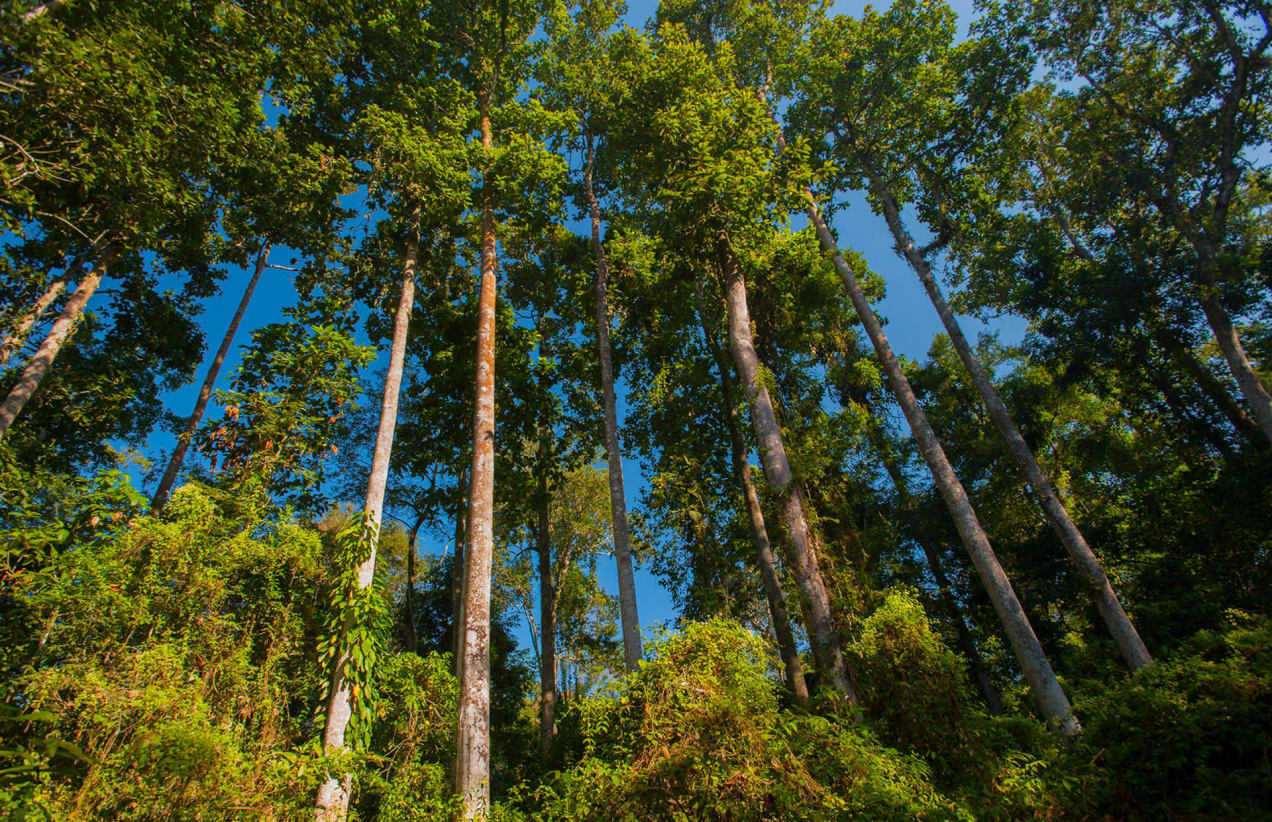
Spanning over 2,000 hectares of lush semi-evergreen forest, the Hollongapar Gibbon Sanctuary is a vital protected reserve and Assam's premier destination for primate watching. It is famously home to India's only ape species, the endangered hoolock gibbon, alongside other rare mammals like the capped langur, slow loris, and pig-tailed macaque. Guided trekking trails wind through the dense canopy, offering nature enthusiasts an exceptional opportunity to observe diverse wildlife, vibrant bird species, and unique flora thriving in a remarkably well-preserved lowland rainforest ecosystem.
Breakfast at the Hollongapar Gibbon Sanctuary forest Guest House or at a nearby homestay.
Drive back to hotel for wash & change and later by around 11 AM proceed to Bagmora Eco Camp for a authentic mising tribal culinary experience.
Nestled amidst tranquil greenery, the Bagmora Eco Camp provides a refreshing escape into nature, making it an ideal spot for a relaxing picnic lunch. Surrounded by rural landscapes and quiet wilderness, the camp allows visitors to unwind away from urban hustle while enjoying authentic regional cuisine prepared with local ingredients. It serves as a peaceful hub for bird watching, nature walks, and experiencing genuine Assamese hospitality in an eco-friendly setting designed to celebrate the region's serene environment.
Return to Jorhat in the late afternoon; evening at leisure with dinner at the hotel.
Overnight: Jorhat
DAY 3
Jorhat – Majuli Island
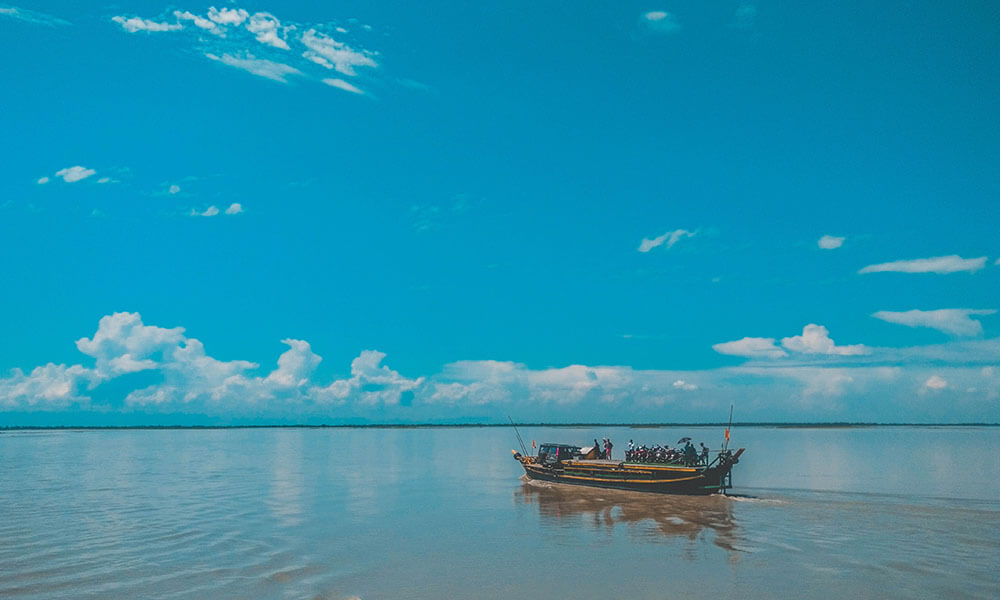
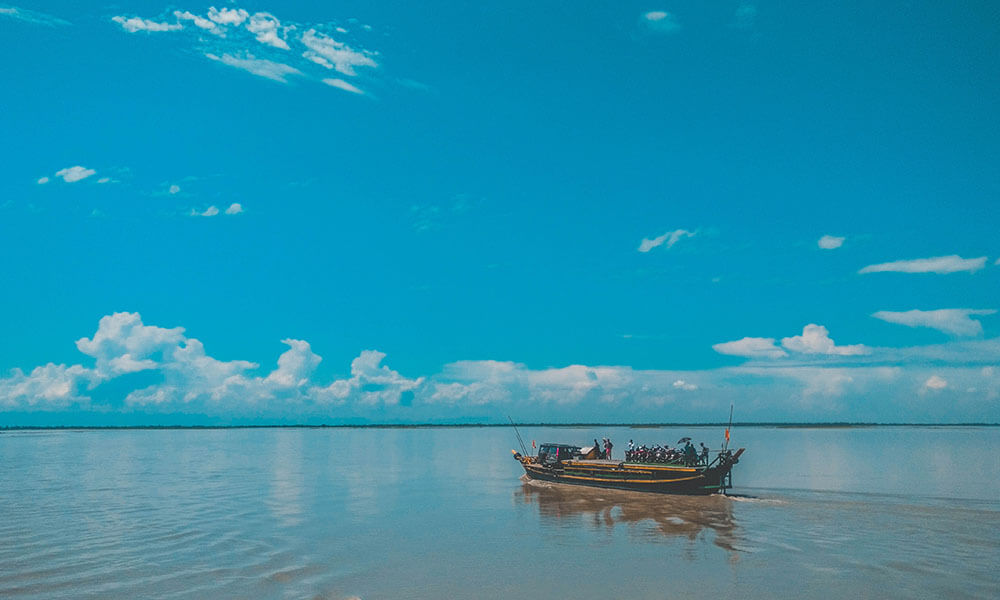
After breakfast, drive to Neamati Ghat and take a ferry to Majuli Island (Approx. 45 minutes drive till Neamati Ghat and 1 hour ferry crossing). Upon arrival at Kamalabari Ghat transfer to hotel.
Cradled by the mighty Brahmaputra River, Majuli is a mesmerizing river island and the vibrant cultural capital of Assam's Neo-Vaishnavite heritage. Formed by dynamic riverine currents, this ecological paradise has been a sanctuary of art, spirituality, and tradition since the 15th century, when the saint Srimanta Sankardeva established its legendary Satras (monasteries). These monastic institutions continue to preserve timeless traditions, including classical Sattriya dance, traditional mask-making, and devotional music. Home to diverse indigenous communities living in harmony with nature, Majuli’s lush wetlands and scenic landscapes offer a tranquil glimpse into rural Assamese life. Despite facing the constant threat of riverbank erosion, Majuli stands as a resilient, living monument of India's unmatched cultural and natural heritage.
Check in to riverside lodge or homestay.
Afternoon visit Auniati Satra and later explore Mising tribal villages.
Sri Sri Auniati Satra stands as one of the oldest, largest, and most influential Vaishnavite monasteries on Majuli, offering visitors a fascinating journey into the historical depths of Assamese spirituality and heritage. Established during the Ahom kingdom, the satra features an impressive on-site museum that houses a priceless collection of ancient royal artifacts, traditional jewelry, rare manuscripts, old scriptures, and historical weapons. The monastery is deeply celebrated for nurturing traditional arts, devotional music, and intricate dance forms like the royal-patronized Apsara dance. Surrounded by lush greenery and peaceful courtyards, it offers a deeply immersive environment where travelers can observe daily spiritual rituals, appreciate timeless craftsmanship, and connect with the profound cultural philosophy that has sustained this river island for centuries.
The vibrant Mising tribe of Majuli, the world's largest river island, features iconic bamboo stilt houses (Chang Ghar) engineered to survive seasonal monsoon floods. Their rich daily life centers around paddy farming, river fishing, and exceptional loin-loom weaving, producing striking geometric textiles. Distinctive earthy cuisine includes smoked meats and Apong, a traditional rice beer symbolizing hospitality, while lively festivals like Ali-Aye-Ligang celebrate agricultural cycles through energetic folk dances. Remarkably, the Mising people share a harmonious cultural space with Majuli’s dominant 15th-century Neo-Vaishnavite movement. Preserving ancestral animism while blending seamlessly into the island's broader spiritual fabric, their tribal settlements coexist peacefully alongside classical monastic Satras, creating a unique and dynamic cultural mosaic at the heart of Assam.
Evening riverside walk and sunset photography.
Overnight: Majuli
DAY 4
Majuli Island Exploration
Morning after breakfast at hotel meet your local Guide & explore Samaguri Satra to see the traditional mask-making, Salmora Gaon to see the traditional pottery making followed by visit to Thanguri majuli for a scenic country side evperience.
Sri Sri Samaguri Satra(Majuli) is globally celebrated and internationally renowned for its extraordinary, age-old heritage of traditional mask-making, a unique craft that has been meticulously preserved and passed down through generations of local artisan families. These intricately crafted, vibrant, and eco-friendly masks are primarily made from bamboo, clay, cloth, and natural colors, serving an essential role in traditional theatrical dance-dramas known as Bhaona, which enact epic mythological stories. Visiting this extraordinary satra allows travelers to witness master artisans skillfully molding raw materials into expressive divine and demonic faces. Beyond observing the creative process, visitors can engage with the resident monks to learn about the spiritual symbolism behind each character, making it an unmissable cultural hotspot on the world's largest river island.
Salmora Gaon, Majuli is a traditional riverside village renowned for its ancient, unique pottery-making techniques practiced by local artisans entirely without the use of a potter's wheel.
Thanguri majuli is a scenic and tranquil riverside destination situated along the expansive banks of the Brahmaputra River, offering visitors breathtaking panoramic views and a refreshing escape into unspoiled natural beauty. The location showcases striking local structural elements and rustic landscapes that capture the authentic rural charm of life on Majuli island. With its gentle river breezes, open skies, and mesmerizing vistas of sunrise and sunset over the water, it serves as an ideal spot for nature lovers, landscape photographers, and travelers looking to unwind away from crowded tourist hubs. Whether taking a quiet stroll along the riverbank or simply absorbing the serene ambient sounds of flowing water and rustling foliage, this picturesque destination provides a memorable and peaceful retreat.
Later in the evening visit Kamalabari Satra to witness the evening prayer and a cultural performance.
Kamalabari Satra is a prominent cultural and religious institution located on the picturesque island of Majuli, renowned extensively as a major center for preserving traditional Assamese art, literature, music, and classical boat-making crafts. Founded centuries ago, it plays a vital role in upholding the core values of the Neo-Vaishnavite movement propagated by Saint Srimanta Sankaradeva. Visitors to this sacred monastery can experience a serene spiritual atmosphere while witnessing dedicated practitioners engage in traditional devotional prayers, devotional songs, and classical performing arts. The tranquil environs, coupled with its rich historical legacy and continuous contribution to local heritage, make it an essential destination for travelers seeking a profound understanding of Assam's indigenous cultural roots and monastic lifestyle.
Evening at leisure with dinner at the lodge.
Overnight: Majuli
DAY 5
Majuli – Tinsukia
After breakfast, drive to Tinsukia via Bogibeel Bridge (Approx. 4–5 hours).
A marvel of modern engineering, the Bogibeel Bridge stands proudly as India’s longest rail-cum-road bridge, gracefully spanning the mighty Brahmaputra River in Assam. Stretching over four kilometers, this magnificent structure links the districts of Dhemaji and Dibrugarh, transforming regional connectivity while offering travelers breathtaking, unobstructed views of the wide, glittering river below. As you journey across its grand architecture, the panoramic vistas of endless water, distant blue hills, and serene river islands create a truly unforgettable visual experience. More than just a vital transit route, the bridge is a striking landmark that celebrates human ingenuity against the backdrop of Assam's raw, majestic natural splendor.
Upon arrival check in at your hotel in Tinsukia.
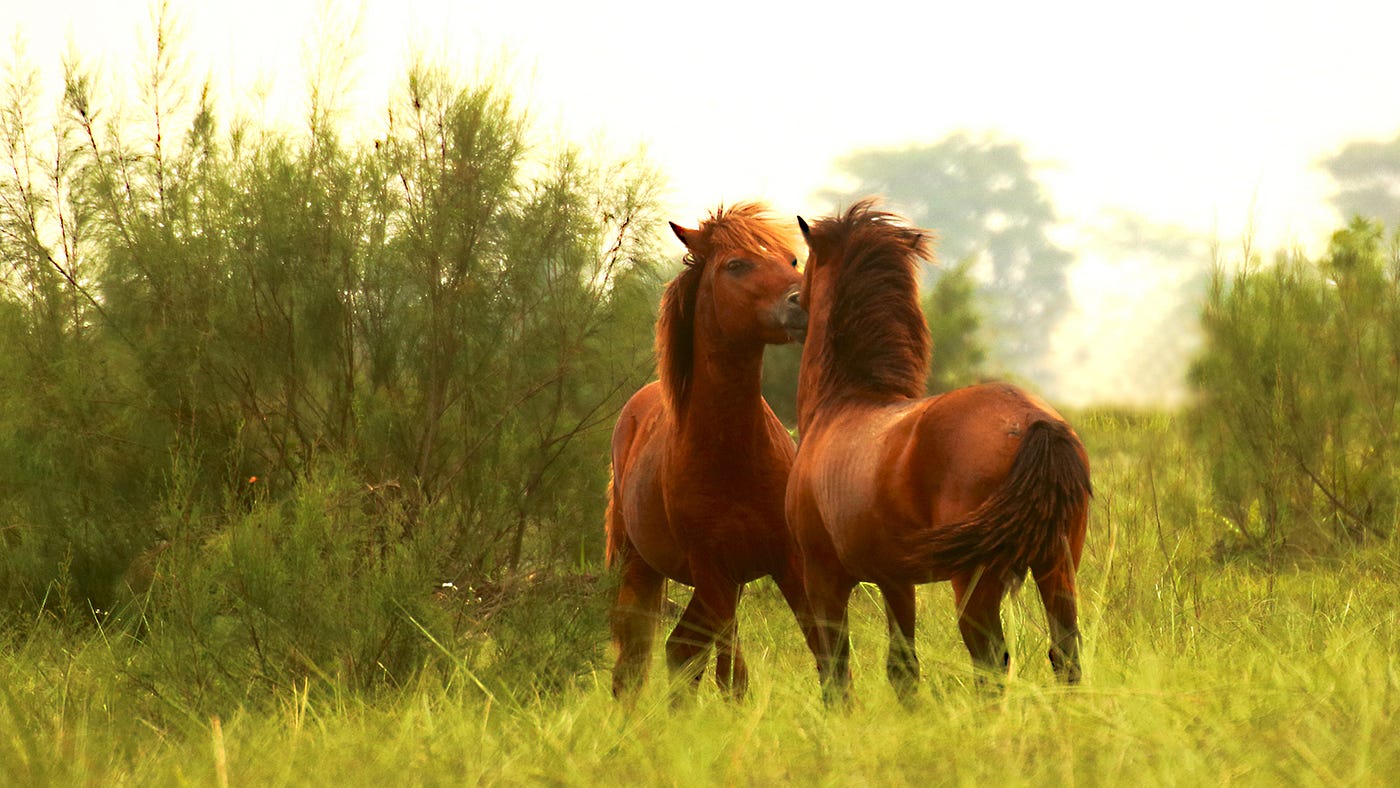
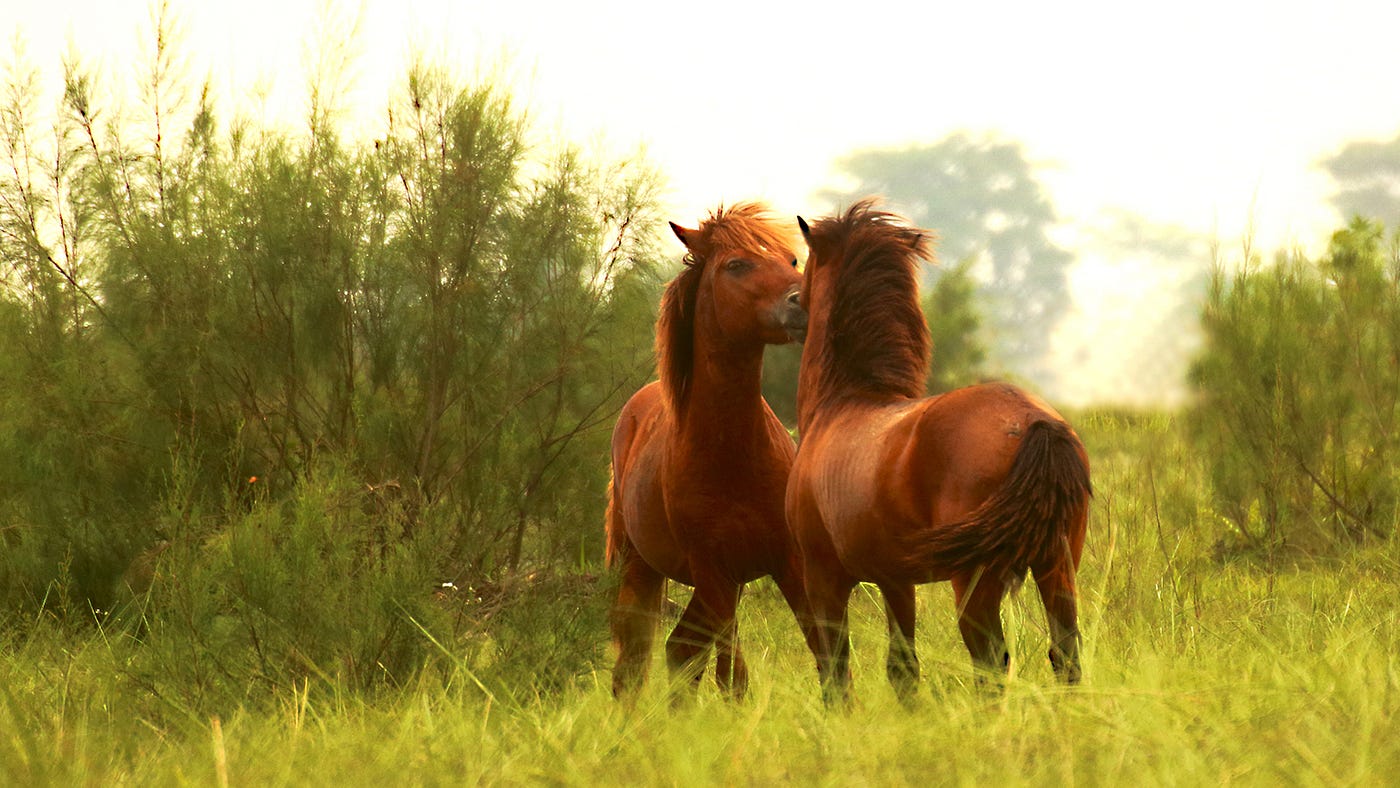
Pulsating with life and history, Tinsukia serves as the vibrant commercial heartbeat of Upper Assam. Renowned for its sprawling, emerald-green tea gardens that stretch as far as the eye can see, this dynamic town is a seamless blend of heritage and commerce. Beyond its industrial charm, Tinsukia acts as the ultimate gateway to some of Assam's greatest ecological treasures, including the wild horses and floating forests of Dibru-Saikhowa National Park. Visitors can explore ancient historical sites, savor authentic Assamese cuisine, and experience the lively local culture. Rich in biodiversity, warm hospitality, and timeless traditions, Tinsukia captures the true spirit and untamed beauty of Northeast India.
Check in to hotel or riverside lodge.
Evening at leisure to relax after the journey.
Overnight: Tinsukia
DAY 6
Maguri Beel & Dibru-Saikhowa National Park
Early morning visit to Maguri Beel wetlands for birdwatching, especially migratory waterfowl and endemic species.
Located just outside the boundaries of Dibru-Saikhowa National Park, Maguri Beel is a vast, nutrient-rich freshwater lake and wetland that serves as a haven for both nature lovers and ornithologists. The beel comes alive during winter when thousands of migratory birds—including rare ducks, geese, and falcons—flock to its calm waters. Visitors can embark on peaceful boat rides on traditional country canoes steered by local fishermen, capturing breathtaking reflections of the sunset and observing unique traditional fishing techniques up close. Surrounded by lush green marshes and vibrant local communities, Maguri Beel provides an authentic, serene glimpse into the rich aquatic ecosystem and pastoral beauty of upper Assam.
After breakfast, proceed for Dibru-Saikhowa National Park for a boat safari, exploring riverine forests, wetlands, and grasslands, with opportunities to spot Gangetic dolphins, wild buffalo, and birds.
Situated in the alluvial floodplains of Assam, Dibru-Saikhowa National Park is one of the world's largest river island national parks, bounded by the Brahmaputra, Lohit, and Dibru rivers. This dynamic, flood-shaped ecosystem features a remarkable mosaic of semi-evergreen forests, deciduous woods, grasslands, and flooded wetlands. It is globally celebrated as a sanctuary for wildlife enthusiasts, housing rare species such as feral horses, hoolock gibbons, slow lorises, and numerous migratory waterbirds. Visitors can explore its pristine wilderness through exciting boat safaris and guided nature trails, experiencing a raw, untouched frontier where the raw power of shifting rivers constantly sculpts a unique and thriving natural habitat.
Evening at leisure with dinner at the lodge.
Overnight: Tinsukia
DAY 7
Tinsukia – Namdapha National Park
After breakfast, visit drive to Barekuri village to see coexistence of the endangered Hoolock Gibbon with humans.
Barekuri is a heartwarming, picturesque village in Assam where wildlife conservation and human compassion beautifully intertwine. Famous globally for its thriving population of the endangered Hoolock Gibbon—India's only ape species—this unique community allows visitors to witness these charismatic primates leaping freely through backyard trees. The villagers share a deep, harmonious bond with the wildlife, protecting them as cherished members of their own community. Surrounded by serene village paths, vibrant flora, and traditional Assamese homesteads, Barekuri offers a rare, soul-enriching wildlife encounter away from commercial tourism. It stands as an inspiring testament to peaceful coexistence, making it an absolute must-visit for nature enthusiasts and animal lovers alike.
Later drive towards Namdapha National Park, Arunachal Pradesh (Approx. 4 – 5 hours; scenic drives through foothills and forested valleys).
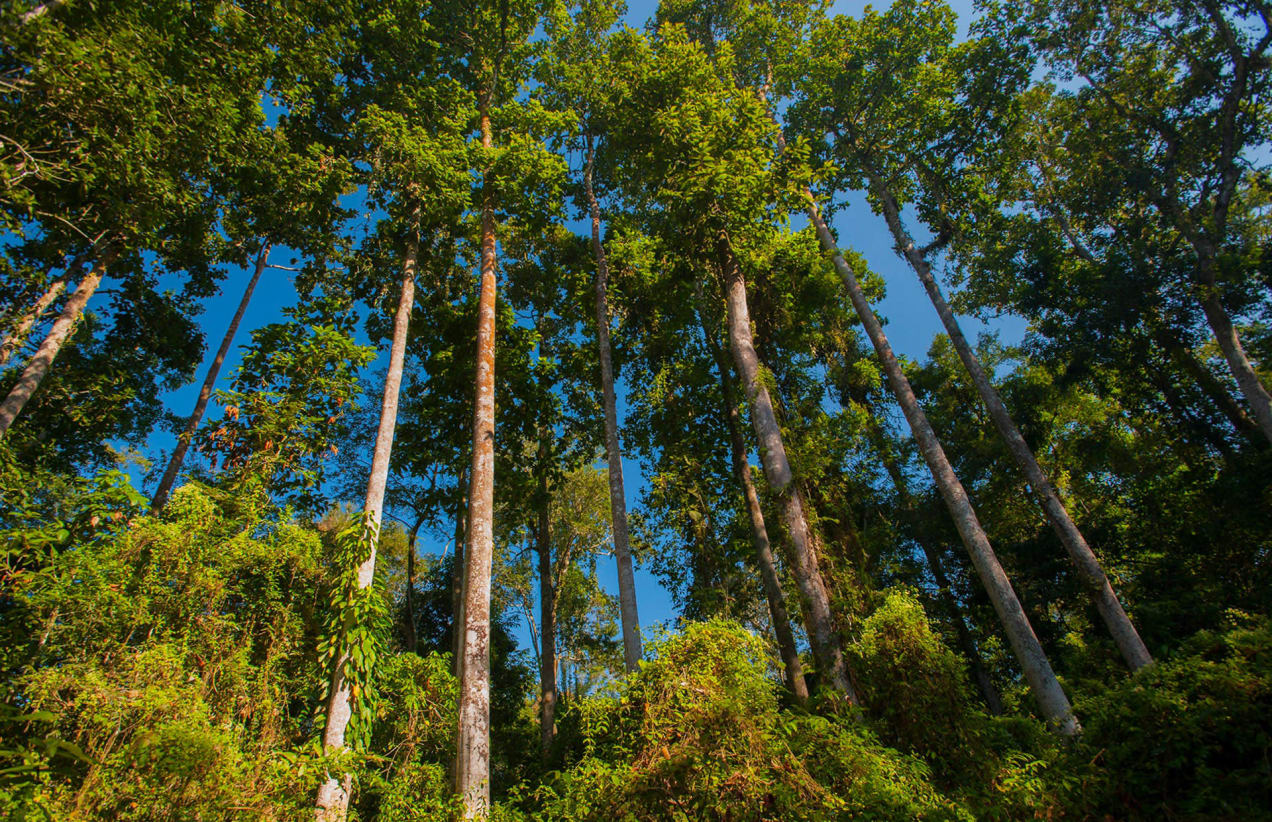
Tucked away in the easternmost corner of Arunachal Pradesh along the Myanmar border, Namdapha National Park is India's third-largest and most biologically diverse protected area. Spanning dense tropical rainforests to alpine snow-capped peaks, this remote wilderness is the only park in the world known to harbor four distinct feline species: tigers, leopards, clouded leopards, and snow leopards. It serves as a vital sanctuary for endangered wildlife, including the hoolock gibbon and incredible avian life. Exploring its rugged trails, towering ancient trees, and crystal-clear mountain streams offers an unmatched, deeply rewarding expedition for hardcore wildlife enthusiasts, trekkers, and nature conservationists seeking earth's most pristine frontiers.
Check in to your eco-lodge / homestay near the park.
Evening at leisure with dinner and stargazing in this remote, biodiversity-rich location.
Overnight: Namdapha National Park
DAY 8
Namdapha Exploration
Full day birding, wildlife trekking to Deban and photography in Namdapha National Park.
Renowned internationally as a paradise for ornithologists, Namdapha National Park shelters over 400 bird species due to its wide elevation range and dense tropical forests. Early morning birding excursions near Deban and interior forest tracks offer incredible opportunities to spot majestic birds such as the Great Hornbill, Rufous-necked Hornbill, blue-naped pitta, and the endangered white-winged wood duck. The high, dense canopy echoes with exotic calls, providing an auditory and visual treat for nature photographers. Equipped with good binoculars and patience, bird lovers can spend hours identifying rare migratory and resident species that thrive undisturbed in this remote eastern corner of India.
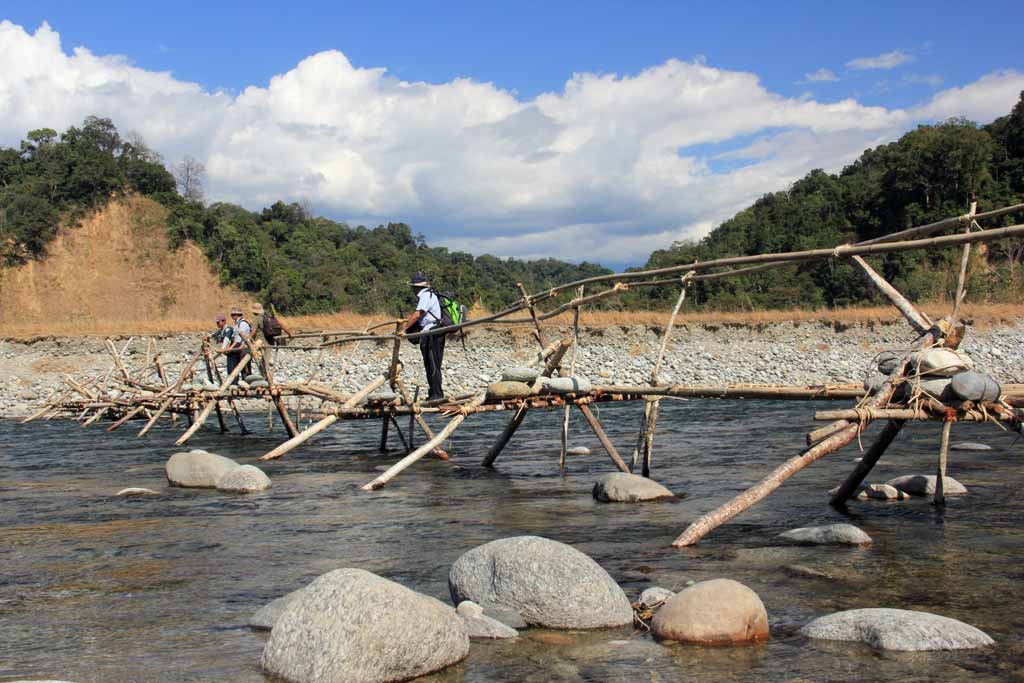
Deban serves as the gateway and primary base camp for all explorations inside Namdapha National Park. Situated picturesquely along the banks of the rushing Nao Dihing River, this remote outpost is surrounded by dense evergreen rainforests and towering mountain ridges. It offers rustic forest rest houses and camping grounds that immerse travelers right in the lap of nature. Deban is also an exceptional starting point for early morning birdwatching, short nature walks, and interacting with local guides who possess profound knowledge of the region's wilderness. The misty mornings, soothing sound of the river, and starry night skies make Deban an unforgettable sanctuary for peace-seekers and wildlife enthusiasts alike.
Evening optional visit to the Choephelling Tibetan Refugee Settlement (TR Camp).
An excursion to the Tibetan refugee settlement in Miao offers a fascinating cultural diversion on the gateway to Namdapha National Park. Established decades ago, this peaceful community has preserved its vibrant identity, traditions, and spiritual heritage amidst the lush landscapes of Arunachal Pradesh. Visitors can explore ornately decorated Buddhist monasteries adorned with colorful prayer flags, spinning wheels, and serene statues. The settlement is also renowned for traditional Tibetan handicrafts, hand-woven carpets, and authentic local eateries serving delicious momos and thukpa. Engaging with the welcoming residents provides deep insights into their resilience, craftsmanship, and rich cultural tapestry, adding a wonderfully diverse dimension to your wilderness expedition.
Overnight: Namdapha National Park
DAY 9
Namdapha – Dibrugarh
After breakfast, drive to Dibrugarh (Approx. 6–7 hours), en-route Stilwell road in Ledo, Margherita town, Digboi & Namphake Village near Naharkatia.
Built during World War II, Stilwell Road is an iconic 1,726-kilometer military highway connecting Ledo, Assam to Kunming, China through rugged Asian terrain.
Named after Italy’s queen, Margherita is a picturesque industrial town in Assam celebrated for its sprawling tea estates, coal mining, and historic plywood industry.
Digboi holds an extraordinary place in industrial history as the cradle of Asia’s oil industry. Crude oil was discovered here in the late 19th century, leading to the commissioning of Asia’s first oil refinery in 1901, which remains active to this day. Legend attributes the town’s name to the phrase "Dig, boy, dig!" shouted by British engineers to laborers encouraging oil extraction. Beyond its active oil fields, Digboi is celebrated for its well-preserved British colonial heritage, features a world-class 18-hole golf course nestled among tropical forests, and houses the historic Digboi Centenary Oil Museum. This unique blend of industrial pioneering, colonial elegance, and rich biodiversity makes Digboi an indispensable chapter of Assam’s history.
Namphake Village is a captivating and culturally rich ethnic settlement located near Naharkatia in upper Assam, inhabited by the Tai Phake community who migrated from Myanmar centuries ago. Nestled along the banks of the Burhi Dihing River, the village offers a serene escape where residents strictly preserve their unique language, script, traditional stilted wooden architecture, and Theravada Buddhist customs. Visitors are welcomed into a peaceful atmosphere dominated by a beautifully maintained Buddhist monastery housing sacred relics and prayer wheels. Exploring the village allows travelers to experience authentic Tai Phake hospitality, taste traditional homemade delicacies, and witness intricate handloom weaving, making it a truly immersive cultural haven in the Assamese countryside.
Later proceed to Dibrugarh town via Tengakhat. Upon arrival Check in to your hotel.
Evening at leisure to explore the Brahmaputra riverfront or relax at the property with dinner.
Overnight: Dibrugarh
DAY 10
Departure from Dibrugarh Airport
After breakfast, check out and transfer to Dibrugarh Airport for your onward journey, concluding a deeply immersive Upper Assam and Eastern Arunachal adventure.
Best months to visit:
October–April
(Monsoon months may affect ferry travel to Majuli and forest access at Namdapha)
Note: Overnight stays are planned in carefully selected heritage hotels (or similar category).