Sacred Peaks & Himalayan Rivers – Char Dham Spiritual & Nature Journey
Snow-fed rivers, ancient shrines, alpine forests and sacred peaks define this transformative journey through Uttarakhand’s Garhwal Himalaya. More than a pilgrimage, this thoughtfully paced Char Dham Yatra blends devotion with Himalayan ecology, village life, wildlife corridors and spiritual heritage. Walking along glacier-born rivers, staying in mountain lodges and visiting timeless temples, travellers experience India’s most sacred landscape as a living, breathing ecosystem.
PROGRAM SUMMARY SNAPSHOT
-
Day 1:
Arrival Dehradun – Rishikesh Overnight Rishikesh
-
Day 2:
Rishikesh – Bakot Overnight Barkot
-
Day 3:
Barkot – Yamunotri – Barkot Overnight Barkot
-
Day 4:
Barkot – Uttarkashi Overnight Uttarkashi
-
Day 5:
Uttarkashi – Gangotri – Uttarkashi Overnight Uttarkashi
-
Day 6:
Uttarkashi – Guptakashi Overnight Guptakashi
-
Day 7:
Guptakashi – Kedarnath Overnight Kedarnath
-
Day 8:
Kedarnath – Guptakashi Overnight Guptakashi
-
Day 9:
Guptakashi – Badrinath Overnight Badrinath
-
Day 10:
Badrinath – Rudraprayag Overnight Rudraprayag
-
Day 11:
Rudraprayag – Dehradun Airport Departure
Key Highlights
Sacred river origins of Yamuna, Ganga, Mandakini & Alaknanda
Trek to Yamunotri Temple through alpine forests
Glacier landscapes at Gangotri
Spiritual night at Kedarnath in the high Himalaya
Hot springs at Tapt Kund, Badrinath
Wildlife corridors of Govind Pashu Vihar & Kedarnath Sanctuary
Himalayan birdlife, river valleys & old mountain villages
Temples, ashrams, monasteries & meditation spaces
Slow travel with nature walks and cultural interactions
Detailed Itinerary
Click each day to expand details.
DAY 1
Arrival Dehradun – Rishikesh
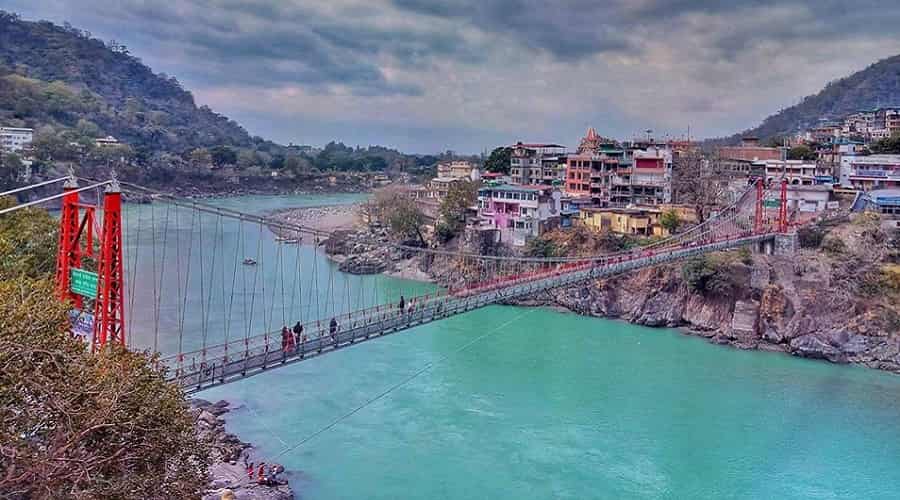
Arrive at Dehradun Airport and drive to Rishikesh (approx. 20 Kms / 35 to 45 min).
Set on the banks of the Ganga, Rishikesh is where sages meditated for liberation. Evening Ganga Aarti introduces the sacred river whose source you will soon seek high in the mountains.
Overnight: Rishikesh
DAY 2
Rishikesh to Barkot
Drive along forested mountain roads via Mussoorie to Barkot (approx. 166 kms / 5–6 hrs) into the Garhwal Himalaya, entering the valley of the Yamuna. This sacred river is believed to be the sister of Yama, the god of death, and bathing in her waters is said to free devotees from fear and suffering. Forested hills and mountain air accompany the journey.
Overnight: Barkot
DAY 3
Barkot – Yamunotri – Barkot
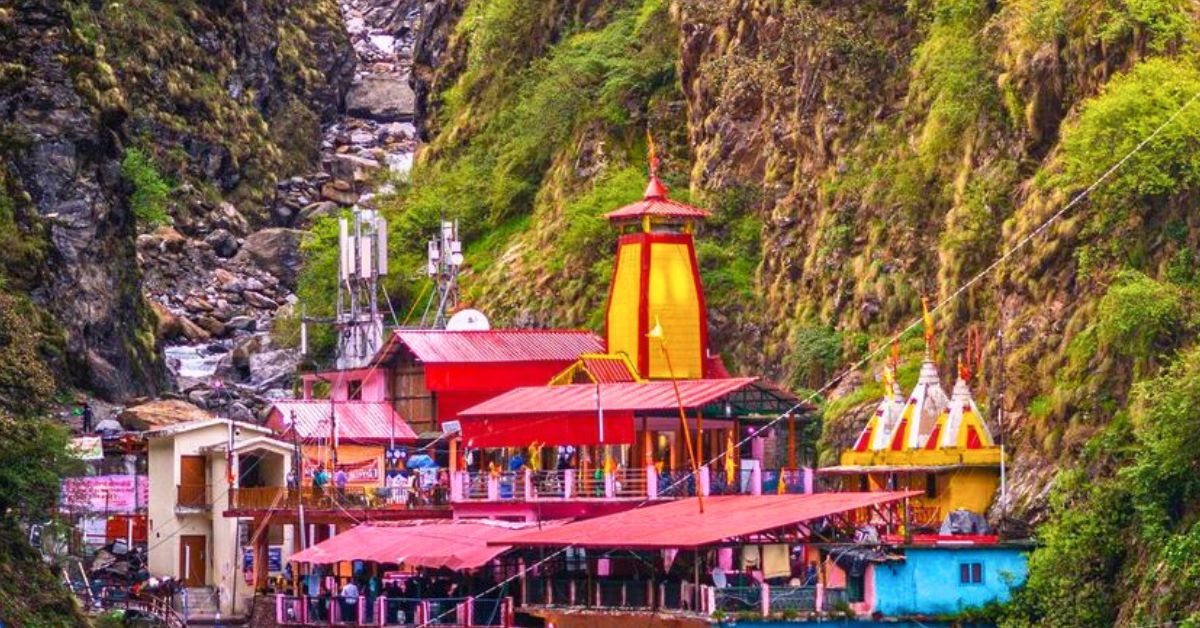
Drive to Janki Chatti (approx. 50 kms / 2 to 3 hrs) and trek 6 km to Yamunotri Temple.
According to legend, the goddess Yamuna blesses devotees with protection from untimely death. Hot springs at Surya Kund and the snow-fed river flowing beside the temple create a powerful union of fire, water and divine energy.
Visit Surya Kund hot spring and Divya Shila.
Return to Barkot by evening.
Overnight: Barkot
DAY 4
Barkot – Uttarkashi
Drive through deep valleys and river gorges to Uttarkashi (approx. 80 kms / 2.5 to 3 hrs).
Uttarkashi is a peaceful town on the banks of the Bhagirathi River. This region is considered a miniature Kashi, where Lord Shiva is worshipped in the ancient Vishwanath Temple. Surrounded by forests and mountains, Uttarkashi has long been a center of meditation and Himalayan learning.
Visit Vishwanath Temple and Bhagirathi river ghats.
Overnight: Uttarkashi
DAY 5
Uttarkashi – Gangotri – Uttarkashi
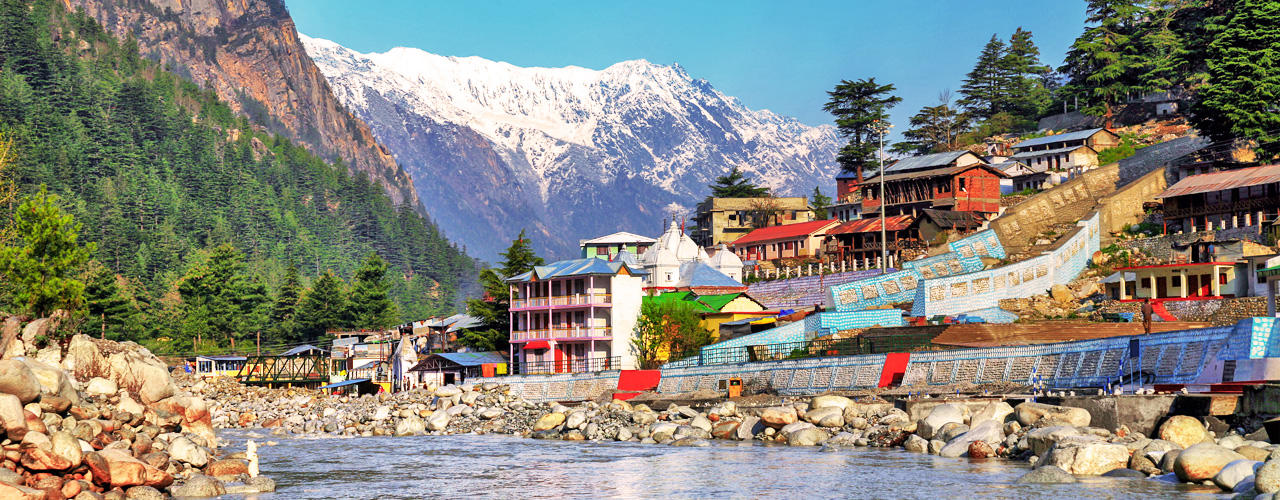
Early drive to Gangotri Temple (approx. 100 km / 3 to 3.5 hours one way).
Walk along Bhagirathi River and visit glacier viewpoints.
Gangotri, the sacred source of the River Ganga. According to legend, Goddess Ganga descended from heaven to cleanse the sins of King Bhagirath’s ancestors. Lord Shiva caught her mighty fall in his matted locks, allowing the life-giving river to flow gently into the world.
Return to Uttarkashi by evening.
Overnight: Uttarkashi
DAY 6
Uttarkashi – Guptakashi
Long but scenic drive across mountain passes and river valleys (approx. 200 kms / 7 to 8 hrs).
Cross Tehri, Rudraprayag & Mandakini River.
Drive through deep Himalayan valleys to Guptakashi, where Lord Shiva is believed to have hidden from the Pandavas. The town lies along the Mandakini River, surrounded by forests and peaks, creating a tranquil spiritual atmosphere that prepares pilgrims for their ascent toward Kedarnath.
Overnight: Guptakashi
DAY 7
Guptakashi – Kedarnath
Early morning drive to Sonprayag (approx. 30 kms / 1 to 2 hrs drive), from Sonprayag to Gaurikund by Jeep (5 kms / 20 to 30 minutes) & trek from Gaurikund to Kedarnath (approx. 16 kms / 6 to 8 hrs) (or helicopter the easiest way) to Kedarnath.
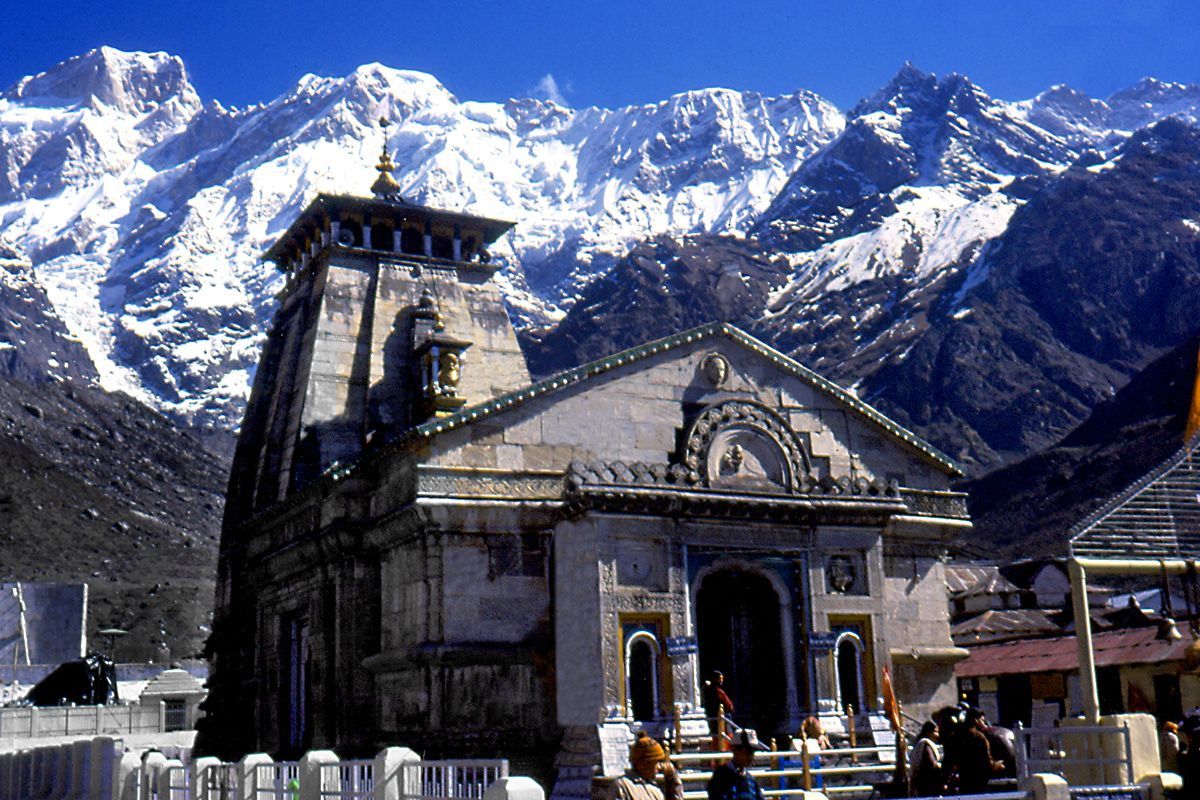
Visit Kedarnath Temple, surrounded by snow peaks.
Evening aarti and quiet time in the high Himalaya.
Journey to Kedarnath, one of the twelve Jyotirlingas of Lord Shiva, set beneath towering snow peaks. Legend says the Pandavas came here seeking forgiveness for their sins, and Shiva appeared in the form of a bull before disappearing into the earth, leaving his sacred presence behind.
Overnight: Kedarnath
DAY 8
Kedarnath – Guptakashi
After morning prayers at Kedarnath, descend through alpine meadows and river valleys back to Guptakashi. The retreat from the high Himalaya allows time for reflection, as the powerful silence and spiritual energy of Shiva’s abode remains deeply imprinted in the heart and mind.
Return trek to Gaurikund and then Jeep to Sonprayag & later drive to Guptakashi.
Overnight: Guptakashi
DAY 9
Guptakashi – Badrinath
Drive through Chopta / Joshimath region into Alaknanda Valley (approx. 195 kms / 6 to 7 hrs).
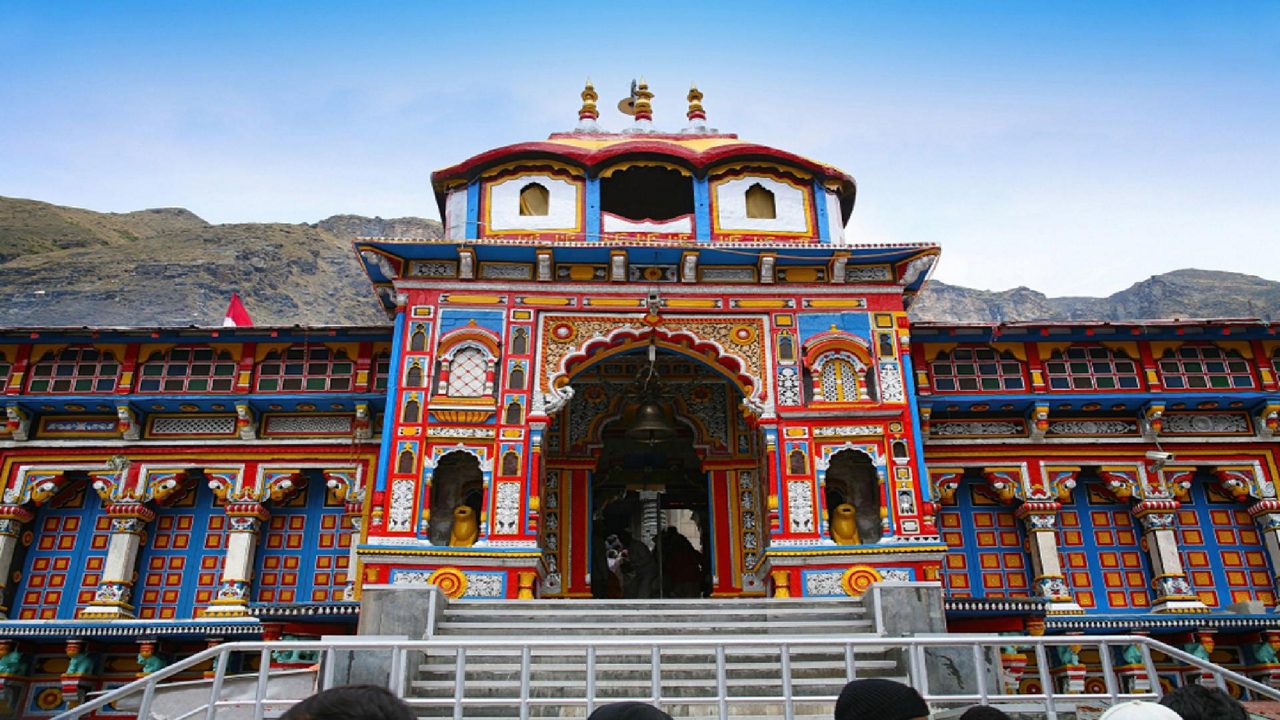
Travel across high mountain passes to Badrinath, the sacred seat of Lord Vishnu. Here, Vishnu is believed to have meditated while Goddess Lakshmi protected him as a Badri tree. Nestled between the Nar and Narayan peaks, the temple stands beside the holy Alaknanda River.
Evening visit to Badrinath Temple.
Overnight: Badrinath
DAY 10
Badrinath – Rudraprayag
Morning dip at Tapt Kund and darshan.
Drive through Vishnuprayag & Karnaprayag to Rudraprayag (approx. 150 kms / 4.5 to 5 hrs).
Begin the descent from Badrinath, stopping at sacred river confluences. Rudraprayag marks the meeting of the Alaknanda and Mandakini rivers and is dedicated to Lord Shiva as Rudra. Such river sangams are believed to amplify spiritual energy, making this a deeply auspicious resting place.
Overnight: Rudraprayag
DAY 11
Rudraprayag – Dehradun Airport
Drive via Rishikesh to Dehradun Airport (approx. 155 kms / 4 to 5 hrs).
Departure with memories of rivers, temples and mountains.
Return to Dehradun through river valleys, forests and mountain towns. As the Himalaya slowly fade behind you, the journey through the four sacred abodes leaves a lasting sense of purification, balance and inner peace — just as the ancient sages envisioned when these pilgrim paths were created.
Best Time to Travel
May–June & September–October
(Avoid monsoon due to landslides and temple closures)
Note: Overnight stays are planned in carefully selected heritage hotels (or similar category).